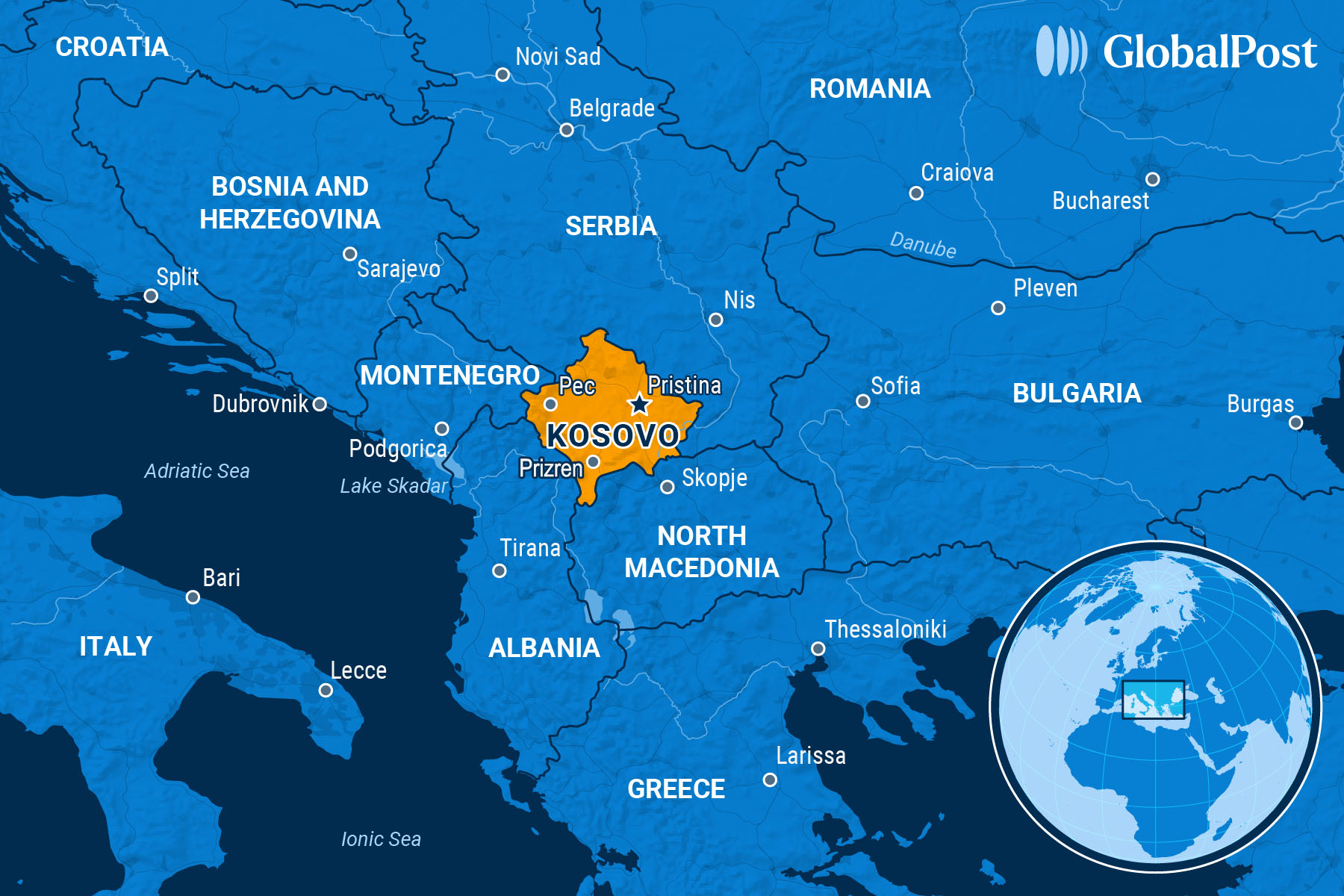
Kosovo authorities detained 109 people over the weekend for alleged vote manipulation linked to last month’s parliamentary elections, deepening an electoral controversy that has already triggered a nationwide recount and raised fears of a prolonged political crisis in the Balkan country, the Associated Press reported.
On Friday, prosecutors in the southern city of Prizren said the suspects face charges including falsifying election results and exerting pressure, threats and bribery. They added that the alleged fraud involves more than 68,000 ballots in the Prizren municipality alone.
Those detained include election commissioners affiliated with several of Kosovo’s main political parties, among them Prime Minister Albin Kurti’s ruling Vetëvendosje Movement.
Local chief prosecutor Petrit Kryeziu claimed that the alleged actions are deliberate attempts to undermine the will of voters, not minor clerical errors, according to Balkan Insight.
The arrests come less than a week after the country’s Central Election Commission (CEC) ordered a nationwide recount of the Dec. 28 elections. The commission ruled that while party vote totals were largely accurate, there were widespread irregularities in the candidate-level tallies.
Observers said the recount is unlikely to change the overall outcome but could affect which candidates ultimately secure parliamentary seats.
Preliminary results showed Kurti’s Vetëvendosje won 51.1 percent of the vote, securing 57 seats in the 120-seat legislature. The result could allow Vetëvendosje to form a government without coalition agreements.
Still, analysts noted that the arrests and recount will drag out Kosovo’s nearly year-long political crisis, which began after the February 2025 elections. While Kurti’s party secured the most votes, it failed to pass the threshold to govern without a coalition, resulting in a months-long political deadlock and the early December vote.
Kosovo currently has no approved state budget for the year. If lawmakers fail to elect a new president by early March, the constitution will require new parliamentary elections.
Kosovo, which declared independence from Serbia in 2008 after the 1998-1999 war, remains one of Europe’s poorest economies. The country is among the six Western Balkan states seeking membership in the European Union.