
Published on
January 28, 2026
By: Rana Pratap
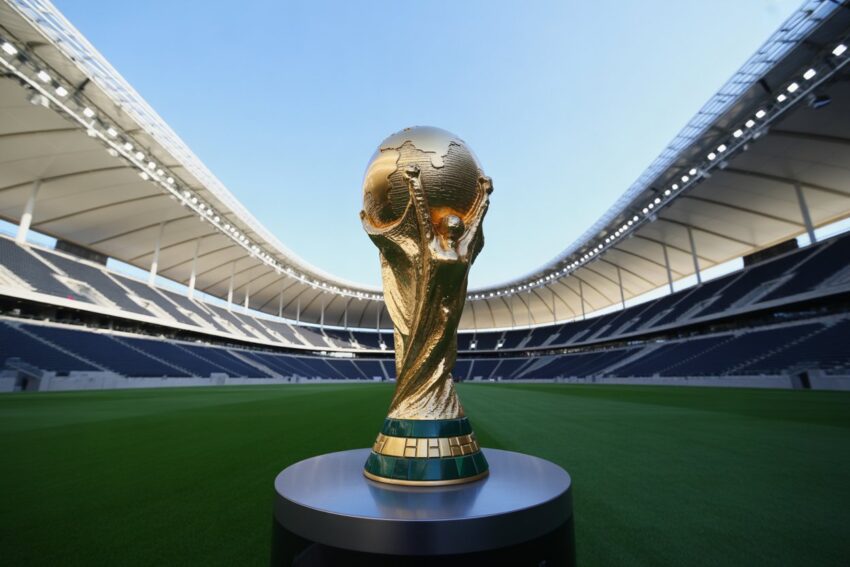
A heated discussion over the prospect of a boycott has been triggered by political tensions between the United States and numerous European and African countries as the 2026 FIFA World Cup draws near. Leading the fight, Germany has joined forces with France, Belgium, the Netherlands, the United Kingdom, South Africa, and other nations to challenge the morality of competing in the U.S.-hosted tournament. These countries have voiced worries about the political environment in the United States, especially with regard to President Donald Trump’s divisive policies, such as his aggressive foreign trade positions and his views on immigration, climate change, and LGBTQ+ rights. The question of whether the tournament should go forward as scheduled in the United States or whether these countries should take a stand by withdrawing is becoming more heated due to pressure from both political officials and fan groups.
Although the United States is the main focus of the boycott debate, Canada and Mexico are also mentioned. The entire event would surely be rocked if the boycott gained momentum, impacting not just the United States but also its surrounding hosts. Despite being less actively involved in the political ramifications, Canada and Mexico would nonetheless be affected. Both nations depend significantly on foreign travel, particularly during such prominent international occasions. As fans and travelers from the boycotting countries rethink their vacation plans, a boycott may also lead to a sharp decline in tourism to these nations.
All three nations’ tourism industries may suffer large losses. With its wide range of tourist attractions and transit infrastructure, the United States alone may face a significant decline in the number of foreign tourists during the competition. In fact, more than 2 million tourists, business travelers, and sports enthusiasts are anticipated to visit the host nations. A whopping 10 million tickets will be sold for the tournament, and an estimated 22 million people will engage in some way with these World Cup events, whether it is by attending games, visiting fan zones, or taking part in related tourism activities.
All three nations’ tourism industries may suffer large losses. With its wide range of tourist attractions and transit infrastructure, the United States alone may face a significant decline in the number of foreign tourists during the competition. However, the consequences would be extensive: even if Canada and Mexico share hosting responsibilities, the reputational harm to the World Cup would make vacationing there less appealing. This possible setback to the tourism sector could have an effect on local economies as well as the World Cup’s reputation worldwide, which has historically benefited from cross-border passion and solidarity via athletics. The political pressure on FIFA, national football federations, and participating nations is predicted to increase as the 2026 World Cup approaches. The discussion is becoming more heated.
In an interview with JD Vance, he expressed his welcoming stance on the 2026 World Cup, emphasizing the importance of the event as a global celebration. “Of course, everybody is welcome to come and see this incredible event,” Vance stated. “I know we’ll have visitors, probably, from close to a hundred countries. We want them to come. We want them to celebrate. We want them to watch the game.” However, Vance also made it clear that while the U.S. is open to international guests, there are boundaries. “But when the time is up, they’ll have to go home. Otherwise, they’ll have to talk to Secretary Noem,” he added, highlighting the strict immigration policies that may follow the conclusion of the tournament.
Germany Leads the Debate Over Boycott
Germany has taken the lead in the boycott conversation. The German Football Association (DFB) has raised concerns about U.S. policies, especially following President Trump’s actions. An official from the DFB recently stated that it is time to seriously consider a boycott of the 2026 World Cup due to the tensions between the U.S. and Europe. The official made it clear that this is a moment for serious reflection on whether participating in the tournament is in line with Germany’s values, particularly in light of the political issues that have emerged from the current U.S. administration.
Advertisement
Advertisement
While the DFB has not officially announced any decision to withdraw from the event, the conversation has highlighted the growing discontent within Germany over the U.S. government’s actions. The DFB’s statement is a reflection of the broader unease felt by many European countries about the direction of U.S. foreign policy.
France: A Divided Opinion on Boycott
In France, the question of whether to boycott the 2026 World Cup has divided political leaders. Some government officials and members of parliament have called for France to withdraw from the tournament in protest of President Trump’s controversial policies, including his actions related to Greenland and his stance on international trade. However, the French government has made it clear that it does not currently support a boycott. Despite this, political pressure continues to mount, with several public figures suggesting that the French Football Federation should consider alternatives, such as shifting matches to Canada or Mexico, in order to avoid playing in the U.S.
While the French Football Federation remains committed to the tournament, the ongoing political debate reflects the tension surrounding the U.S. as a host nation. The issue has sparked discussions within France about the relationship between politics and sport, with many calling for a more cautious approach to international events held in politically charged environments.
Belgium: Watching the Situation Closely
Belgium has also found itself at the center of the boycott debate. The Belgian Football Association (RBFA) and the Belgian government have publicly stated that they are not currently planning to withdraw from the World Cup. However, the government has expressed that it will continue to monitor the situation closely, especially as political tensions with the U.S. persist. While Belgium is not planning an official boycott, the possibility remains under discussion in certain political circles. The country’s cautious stance shows that the debate over the U.S. as a host nation is far from over.
The Netherlands: Petitioning for Change
In the Netherlands, the conversation about a potential boycott has taken the form of a petition. Many citizens, as well as activists, have called on the Dutch government and the Dutch Football Association (KNVB) to consider withdrawing from the World Cup. The petition has gained considerable support, reflecting the growing frustration among the public over U.S. policies. Although the Dutch FA has stated that it does not intend to participate in the boycott, the petition shows that public sentiment in the Netherlands is not entirely in favor of playing in the U.S.
While the petition may not result in an official boycott, it has sparked important conversations about the role of sport in a globalized, politically sensitive world. The growing support for the petition highlights the significant impact of political tensions on international sporting events.
The UK: Political Figures Enter the Debate
In the United Kingdom, political figures have joined the growing call for a boycott. Several members of parliament have voiced their concerns over President Trump’s actions, particularly regarding his policies on trade and immigration. Although the British government and the Football Association (FA) have officially stated that they will not be boycotting the World Cup, the political discourse reflects the increasing discontent over the U.S. administration’s actions. Some MPs have suggested that a boycott would send a strong message about the U.K.’s stance on the current political climate in the U.S.
The FA has reaffirmed its commitment to the World Cup, but the ongoing political discussions show that the debate around the tournament is far from settled in the UK. Whether the political pressure will lead to any changes in the future remains to be seen.
South Africa: Opposition Calls for Boycott
In South Africa, political opposition parties have called for the country to consider withdrawing from the 2026 World Cup in protest of President Trump’s policies, particularly his stance on Africa and his controversial actions surrounding immigration and climate change. While the South African Football Association (SAFA) has not made any official statement regarding a boycott, the opposition has voiced strong support for the idea. The debate in South Africa highlights how U.S. foreign policy is impacting countries outside of Europe and drawing attention to global political concerns.
The call for a boycott in South Africa reflects broader discontent with the U.S. administration, particularly among countries that have been critical of its foreign policies. While SAFA has not taken any formal action, the pressure from opposition figures shows that the World Cup debate is resonating in multiple regions.
LGBTQ+ Fan Groups and International Protests
LGBTQ+ fan groups have also been vocal in their opposition to the 2026 World Cup being held in the U.S. Organizations such as Three Lions Pride (England) and Queer Football Fanclubs (Germany) have advised their members not to attend the tournament due to concerns over the safety and rights of marginalized groups in the U.S. These fan-driven calls for a boycott are rooted in the fear that the political climate under President Trump’s leadership has led to an environment where the rights of LGBTQ+ individuals and other minority groups are under threat.
Although these are not official actions by national football associations, they represent an important part of the global protest movement. Fan groups are making it clear that they do not support the World Cup being held in a country where they believe human rights are at risk. Their voices add another layer to the debate, emphasizing the connection between politics and sport.
As the 2026 FIFA World Cup nears, Germany, France, Belgium, the Netherlands, the UK, South Africa, and others debate a potential boycott of the U.S.-hosted event due to political tensions, with tourism sectors at risk.
The Road Ahead: Will a Boycott Happen?
As of now, no official national football team has announced that it will withdraw from the 2026 World Cup. However, the ongoing political debate continues to grow, with more countries, players, and fans weighing in on whether participating in the tournament is morally justifiable given the political climate in the U.S. The increasing number of calls for a boycott, particularly from European and African countries, highlights the growing influence of political movements on international sports.
It remains unclear whether the discussions about a boycott will lead to any concrete actions. However, as the 2026 World Cup draws closer, the political pressure on FIFA, national football federations, and participating countries will likely continue to mount. The debate is far from over, and it will be interesting to see how the situation unfolds in the coming months.
