
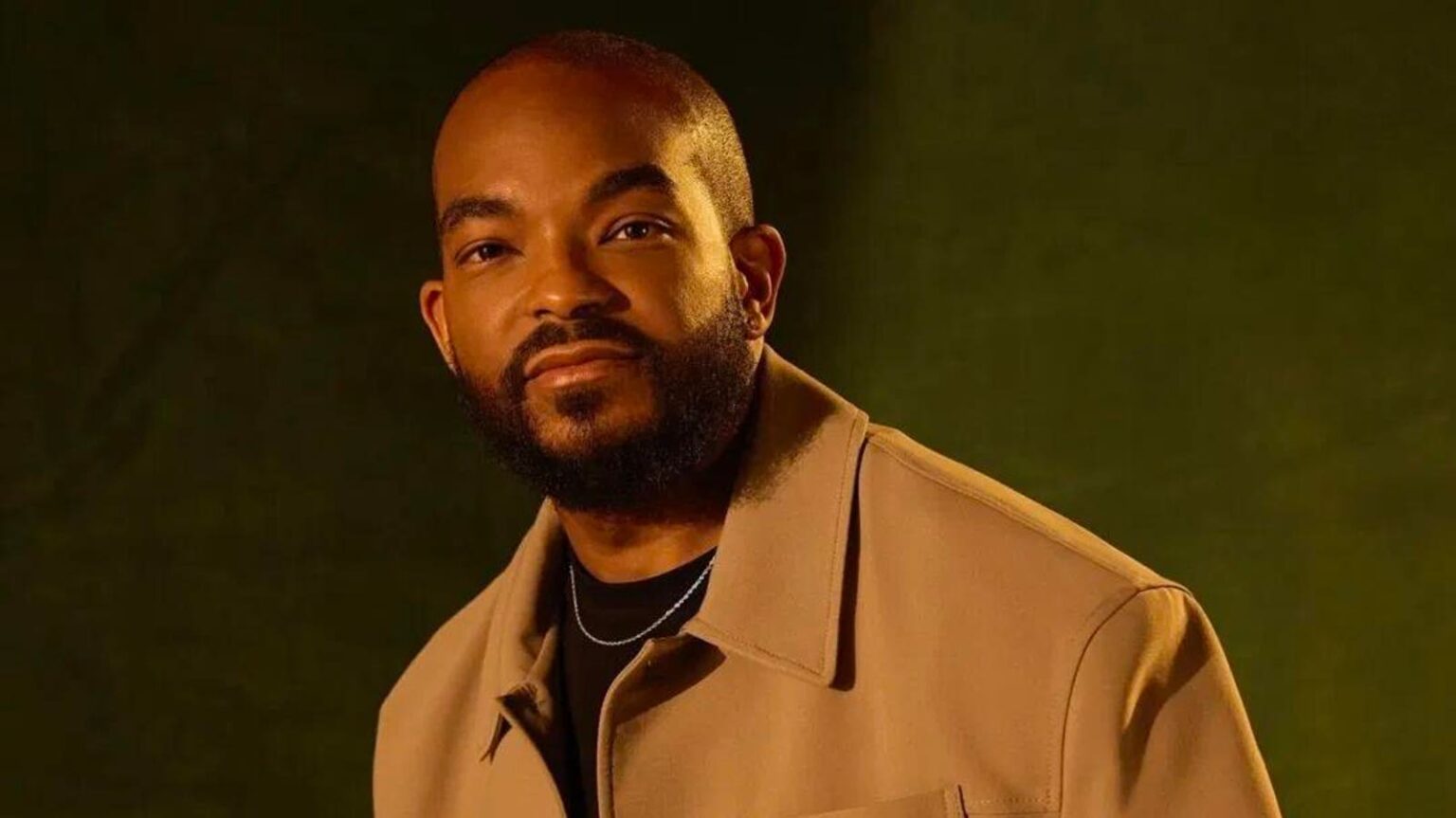
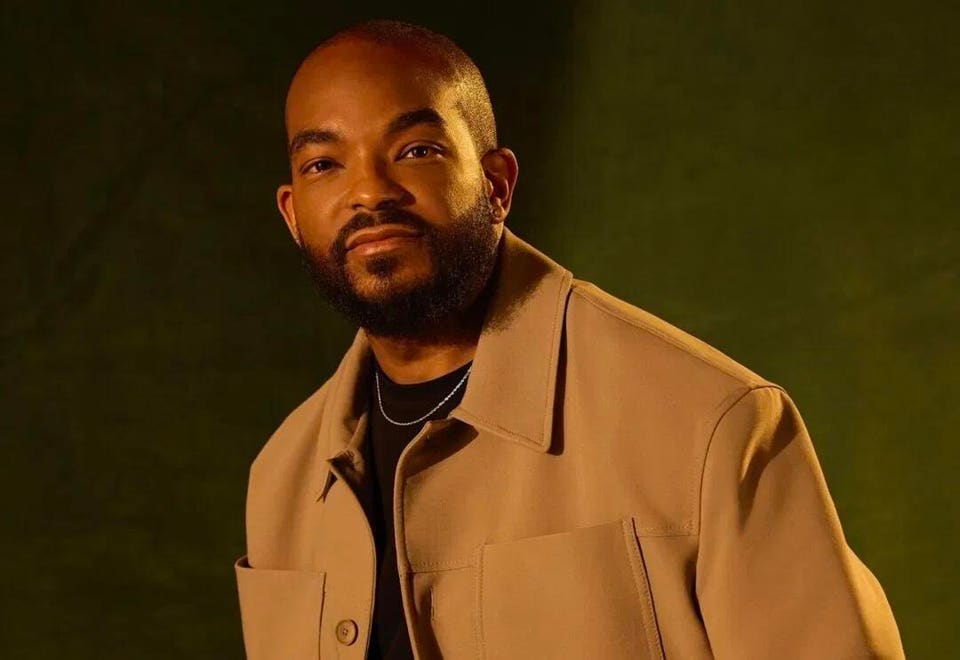
Detavio Samuels, CEO of Revolt and its parent company, Offscript, says the ventures are aiming to put the power of infrastructure in the hands of digital content creators.
Detavio Samuels
The creator economy has grown into a major engine of modern media.
And although the boom has slowed a bit, still, millions of people now earn income through digital platforms. Brand marketing budgets continue shifting toward creators. Platforms are investing heavily in creator-led content. For many workers—particularly younger ones—creating is no longer a side project. It is the job.
But the rapid growth of the creator economy has masked a deeper imbalance.
While visibility, reach, and deal flow have expanded, ownership and long-term wealth have not. Most creators still do not own the platforms they depend on, the audiences they build, or the businesses their content sustains.
Creators are more visible than ever. They are not more secure.
That tension is what Detavio Samuels, CEO of media platform REVOLT and its parent company Offscript Worldwide, says he set out to address with Offscript—a creator ecosystem designed to help creators move beyond one-off deals toward building actual businesses.
“The way most people work with creators is transactional,” Samuels told me. “A deal gets done, a moment happens, and everyone moves on. That doesn’t build anything lasting.”
Offscript was built as a vertically integrated platform spanning content, distribution, monetization, and commerce, allowing creators to develop multiple projects inside a single ecosystem rather than stitching together separate partners for shows, music, merchandise, and distribution.
“The creator drives the vision,” Samuels said. “We bring the infrastructure.”
Samuels’ approach reflects a broader question now facing the industry: if creators are the engine of today’s media economy, why do so few of them participate in long-term value creation?
Rented platforms, fragile businesses
For Cristy, a longtime influencer and founder of Happy Family Blog, the ownership problem became real when her Instagram account—nearly 100,000 followers built over a decade—was hacked during the busiest quarter of her business year.
“All these channels are rented space,” she said. “We don’t own our accounts. They can be taken from us at any moment—by hackers, by bans, by algorithm changes—and there’s almost no support when it happens.”
As she points out, platforms are designed to keep users inside their ecosystems, not to help creators build independent assets like email lists, customer databases, or owned distribution. Direct access to audiences is limited. Monetization centers on ads and sponsorships rather than ownership.
Creators are encouraged to grow audiences first—and figure out the business later.
Creators treated as talent, not founders
That imbalance is reinforced by how creators are categorized economically.
“Creators are still largely treated as freelancers or talent, not as business owners,” said Frank Poe, a creator-focused attorney and former talent agent. “Most deals are structured around guaranteed fees or flat payments, not equity, royalties, or backend participation.”
From a legal standpoint, Poe says this is structural.
Affiliate deals, performance-based compensation, and equity arrangements are harder for the existing representation ecosystem to support. Managers and agencies typically earn commissions on cash payments, not ownership stakes or long-term upside.
“Equity deals don’t commission well,” Poe said. “Managers aren’t going to sit around waiting for dividends. So the system naturally steers creators toward flat-fee deals—even when those deals cap upside.”
As a result, most creators remain locked into monetization models where income stops when posting stops.
Brand deals don’t build wealth
Brand sponsorships dominate creator income, but they rarely translate into ownership.
Creators can drive millions in sales and still receive the same flat fee. There is little participation in growth, resale value, or long-term brand equity.
Cristy says she sees this constantly.
“Creators could drive a million dollars in sales and still be paid the same flat rate,” she said. “That’s not wealth-building. That’s labor.”
Poe adds another layer: many creators actively avoid equity because ownership can restrict future opportunities.
“If you own part of a brand, you may not be able to work with competitors,” he said. “Creators worry about being typecast or locked into one category.”
So even when ownership is offered, it often feels risky.
The system rewards flexibility, not permanence.
How creators can protect themselves
From Poe’s perspective, creators evaluating platforms, networks, or creator ecosystems should look for clarity across four areas: rights, expectations, value, and visibility.
- Rights: What IP are you giving up? What are you keeping?
- Expectations: Morals clauses, exclusivity, confidentiality, behavioral restrictions.
- Value: Is compensation a royalty? Equity? Flat fee? Does it expire?
- Visibility: Where will this content live now—and in the future?
“If you can’t clearly see where you stand today and six months from now, that’s a red flag,” Poe said.
Creators also need to distinguish between representation roles.
- Managers advise creators.
- Agents procure deals.
- Attorneys protect rights.
When those lines blur, risk increases.
“One of the biggest problems is creators don’t understand who is supposed to be in their corner,” Poe said. “A manager should be willing to say, ‘This deal doesn’t sit right,’ even if it pays well.”
From attention economy to ownership economy
Both Samuels and Cristy argue that the creator economy must evolve beyond attention.
“We’re in an attention economy,” Cristy said. “We need to move into an ownership economy.”
That shift looks like:
- Email lists and owned audiences
- Subscriptions and memberships
- Equity instead of flat fees
- Hybrid deals combining fees, royalties, and ownership
- Creators treating community as the product
Samuels frames the moment historically.
“This is a modern-day gold rush,” he said. “We don’t want to repeat what’s happened industry after industry, where Black creators build the culture but don’t benefit from the economics.”
Professionalization and collective power
Poe believes the next phase requires professionalizing creators as business entities.
“We need teams around creators—legal, financial, accounting,” he said. “Brands have massive infrastructures. Creators largely don’t.”
He also points to the absence of collective bargaining.
“There are very few standards. It’s one of the only industries where people are routinely asked to work for free while companies profit.”
Long-term, he expects creators will regret negotiating rights “in perpetuity”—giving away usage forever—more than almost anything else.
But he’s cautiously optimistic.
“I think creators will eventually band together,” Poe said. “If they do, they’ll probably wish they had done it sooner.”
What comes next
The creator economy will keep growing and platform investment will continue. And from what I’m hearing from industry experts, brand budgets will shift further toward creators.
But growth alone will not solve the ownership problem.
Until creators can reliably own their audiences, negotiate real participation in upside, and build businesses that survive platform shifts, most will remain in a precarious position—highly visible, but structurally vulnerable.
The next phase of the creator economy won’t be defined by who goes viral.
It will be defined by who owns what they build.