
Published on
January 28, 2026
When planning a trip to Europe, the cost of staying in hotels and dining at restaurants can significantly affect your travel budget. According to the latest data from Eurostat’s price level index, the cost of hotels and restaurants varies greatly across the continent. Some destinations offer a luxurious experience at a high price, while others provide incredible value for money. Among the 37 European nations studied, Switzerland emerged as the most expensive for hotels and restaurants, while North Macedonia ranked as the least expensive. Here’s an overview of the countries where you’ll get the most and least for your money.
The Costliest European Countries for Travel:
Switzerland stands out as Europe’s priciest country for hotels and restaurants, with a standard basket of services costing €171, a staggering 71% higher than the EU average. Visitors to Switzerland can expect to pay significantly more for basic amenities like meals and accommodation compared to other European destinations.
A major factor in Switzerland’s high costs is its elevated wage levels, particularly in the hospitality sector, which directly translates to higher service prices. Other factors include high energy costs, taxes, and commercial real estate expenses. Despite the steep prices, Switzerland offers exceptional quality, stunning landscapes, and a premium travel experience, making it a popular destination for luxury travellers.
Denmark also features prominently on the expensive side of the spectrum. With a cost of €148 for a standard basket of hotel and restaurant services, Denmark is 48% more expensive than the EU average. While Danish cities like Copenhagen offer vibrant culture and world-class dining, tourists can expect to pay top prices for their accommodation and meals. Similar to Switzerland, the cost of living and labour in Denmark drives up travel expenses, making it one of the priciest destinations in Europe.
The Cheapest Countries for Budget Travel in Europe:
Advertisement
Advertisement
On the other end of the spectrum, North Macedonia offers the most affordable travel options in Europe. With prices for hotels and restaurants standing at just €50, North Macedonia is 50% below the EU average. This Eastern European gem offers incredible value for money, with a rich cultural history, beautiful landscapes, and delicious food at a fraction of the cost of Western Europe.
Bulgaria is another budget-friendly option, with a standard basket costing just €53. As one of the least expensive countries in the EU, Bulgaria offers tourists the chance to explore its historical cities, mountainous landscapes, and Black Sea coast without breaking the bank. For those looking to travel on a tight budget, Bulgaria offers a wealth of experiences without the hefty price tag.
Advertisement
Advertisement
The Influence of Regional Differences on Travel Costs
Travel costs in Europe are significantly influenced by regional differences. Nordic countries, such as Sweden and Finland, tend to be more expensive, as do many Western European nations like France, Belgium, and the Netherlands. These countries often have higher wages, more expensive real estate, and stricter social systems that contribute to the overall cost of travel.
In contrast, Eastern Europe and the Balkans are generally much cheaper. Countries like North Macedonia, Serbia, and Albania offer an affordable alternative for travellers, with lower living costs and more budget-friendly accommodations. Southern Europe, particularly Portugal, Spain, and Greece, also offers more affordable options for tourists, although Italy is an exception, with some areas being more expensive than others.
Why Do Prices Vary Across Europe?
The variation in prices across Europe can be attributed to several factors, including differences in labour costs, taxes, and supply chain pressures. According to experts, the hospitality industry is highly labour-intensive, and the disparities in wages between countries directly affect the prices of services. Additionally, energy and utility costs, commercial property prices, and food inflation all contribute to the price differences seen across Europe.
Countries with higher wages and stricter social security systems generally experience higher service prices. For example, Switzerland and Denmark have some of the highest wage levels in Europe, which is reflected in the cost of meals and hotel stays. On the other hand, countries like North Macedonia and Bulgaria have lower wage levels, which allows for much more affordable prices for tourists.
Affordability vs Price Level
It’s important to note that while the price level index compares the cost of services in different countries, it does not measure affordability. Affordability is influenced by income levels, and people from wealthier countries often find it easier to travel to destinations with higher prices. For example, Nordic travellers may enjoy greater purchasing power when visiting cheaper Eastern European destinations.
Despite higher prices, many tourists from wealthier countries still flock to cities like Paris, Copenhagen, and Zurich for their high-quality experiences, including fine dining, luxury accommodation, and unique cultural attractions. The overall affordability of a destination depends on the traveller’s budget and the value they place on the experience.
Quick Tips for Budget-Friendly Travel in Europe:
- Plan Your Destination Wisely: If you’re on a tight budget, consider visiting Eastern European countries like North Macedonia or Bulgaria, where you’ll get more for your money.
- Travel Off-Peak: Avoid peak tourist seasons when prices are at their highest. Traveling in the off-season can help you save significantly on both accommodation and meals.
- Use Public Transport: In many European cities, public transport is affordable and efficient, offering a cheaper alternative to taxis or car rentals.
- Look for Local Dining Options: Avoid tourist hotspots for meals, and instead, explore local cafes and markets where you can experience authentic cuisine at a lower price.
- Book Accommodation Early: Hotels and rentals can get expensive in major cities, so it’s always a good idea to book in advance and compare prices to find the best deal.
Key Takeaways:
- Most Expensive: Switzerland and Denmark top the list for the highest costs in Europe, with prices well above the EU average.
- Cheapest: North Macedonia and Bulgaria offer the best value for budget-conscious travellers.
- Regional Differences: Northern and Western Europe tend to be more expensive, while Eastern Europe and the Balkans are more affordable.
- Factors Influencing Prices: Wages, taxes, energy costs, and food inflation are key contributors to price differences across Europe.
- Affordability: Price level does not necessarily equate to affordability, as income levels play a crucial role in how accessible a destination is.
Conclusion: Where to Spend Your Money in Europe
When it comes to travelling in Europe, the cost of accommodation and meals can vary significantly from country to country. While Switzerland and Denmark are perfect for those looking for luxury experiences, budget travellers can enjoy unforgettable trips to countries like North Macedonia and Bulgaria without straining their wallets. By choosing the right destination and planning ahead, travellers can make the most of their budgets while exploring the diverse and vibrant cultures of Europe.
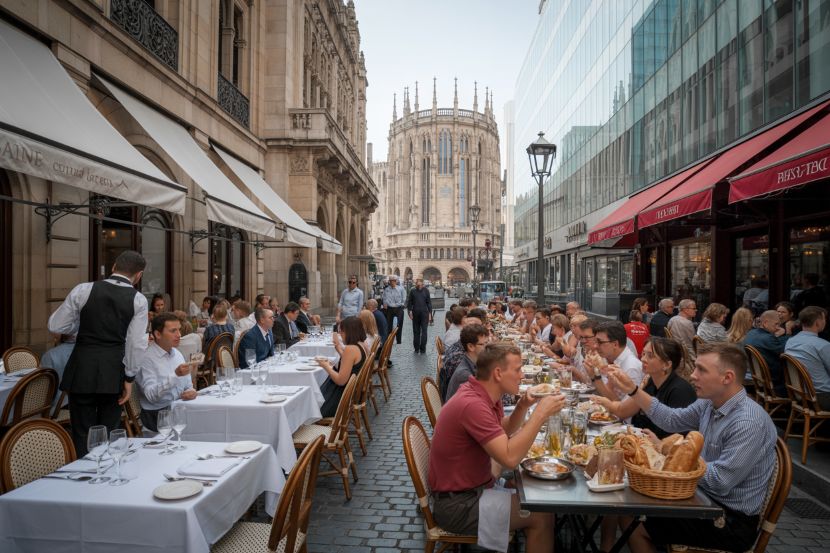
Disclaimer: The Attached Image in This Article is AI Generated
