

29
Jan 2026
More people lost refugee status than gained protection in Malta in 2025, according to figures presented in parliament this week.
The data shows that 340 refugee status revocations compared with just 87 new grants, largely due to expired international protection documents.
Revocations outpaced new grants
Malta revoked the refugee status of 340 people in 2025, while 87 individuals were newly granted protection.
Of the revoked cases, 335 were linked to the expiry of international protection that was not renewed within 12 months of lapsing.
The number of people granted refugee status in 2025 increased from 55 in the previous year, but remained significantly lower than the number of revocations. The figures were provided by Home Affairs Minister Byron Camilleri in response to parliamentary questions.
Asylum applications stay low
In 2024, Malta recorded the lowest number of asylum applications since 2010. While no updated application data was shared for 2025, the ongoing trend suggests a continued decline.
Data from the Malta Migration Archive also showed a significant drop in maritime operations. Rescues of migrant boats by the Armed Forces of Malta decreased by 90% since 2020.
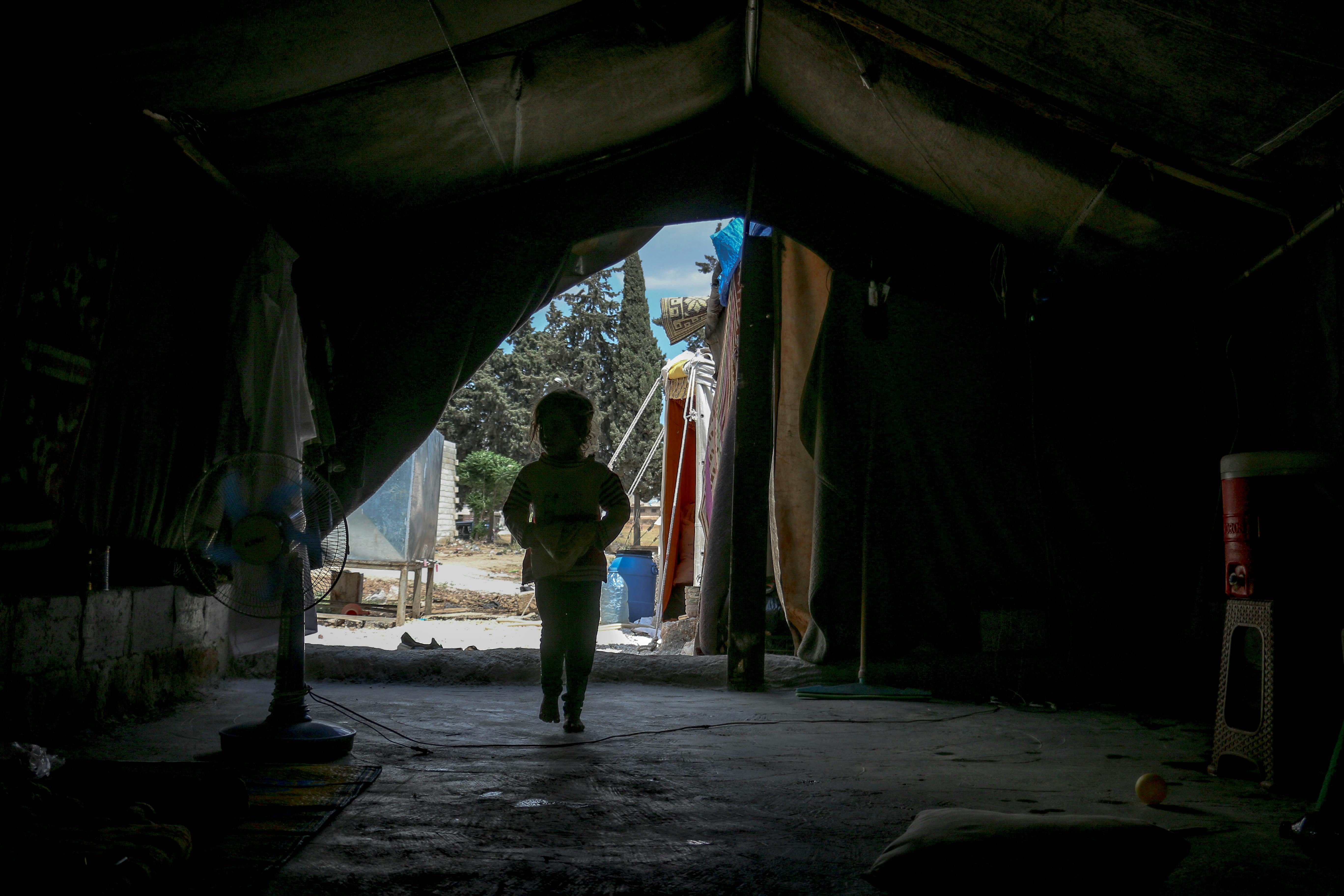
(Image courtesy of Ahmed akacha via Pexels)
Fewer boats, more send-offs
In late 2025, 61 migrants were rescued by the Armed Forces of Malta after their boat capsized. Two weeks later, 44 of those individuals were repatriated.
Camilleri stated that 81% of irregular migrants arriving in Malta that year had been returned to their country of origin. He also referred to a 2020 migration coordination deal signed between Malta and Libya.
Stricter travel rules
For non-EU nationals entering Europe for short stays, the Entry/Exit System (EES) started operations in October 2025, with full implementation scheduled by April 2026. The system records biometric and travel data at EU external borders, replacing manual passport stamps.
Separately, the European Travel Information and Authorization System (ETIAS) will begin in late 2026. It will require travelers from visa-exempt countries to obtain prior travel authorization for stays of up to 90 days in 30 European countries.

(Image courtesy of Mirsad sarajilic via iStock)
Tougher stance across EU
Malta’s current approach aligns with broader EU efforts to digitize and monitor entry and stay durations more closely. Both EES and ETIAS are designed to modernize border checks, help detect overstays, and improve data-sharing across member states.
The systems are part of a wider shift toward stricter migration and border management throughout the EU.
Exit signs everywhere
The increase in refugee status revocations, paired with lower arrivals and fewer new grants, points to a more rigid application of international protection rules.
Under Maltese subsidiary legislation, protection is considered “unequivocally renounced” if not renewed within 12 months of expiry.