
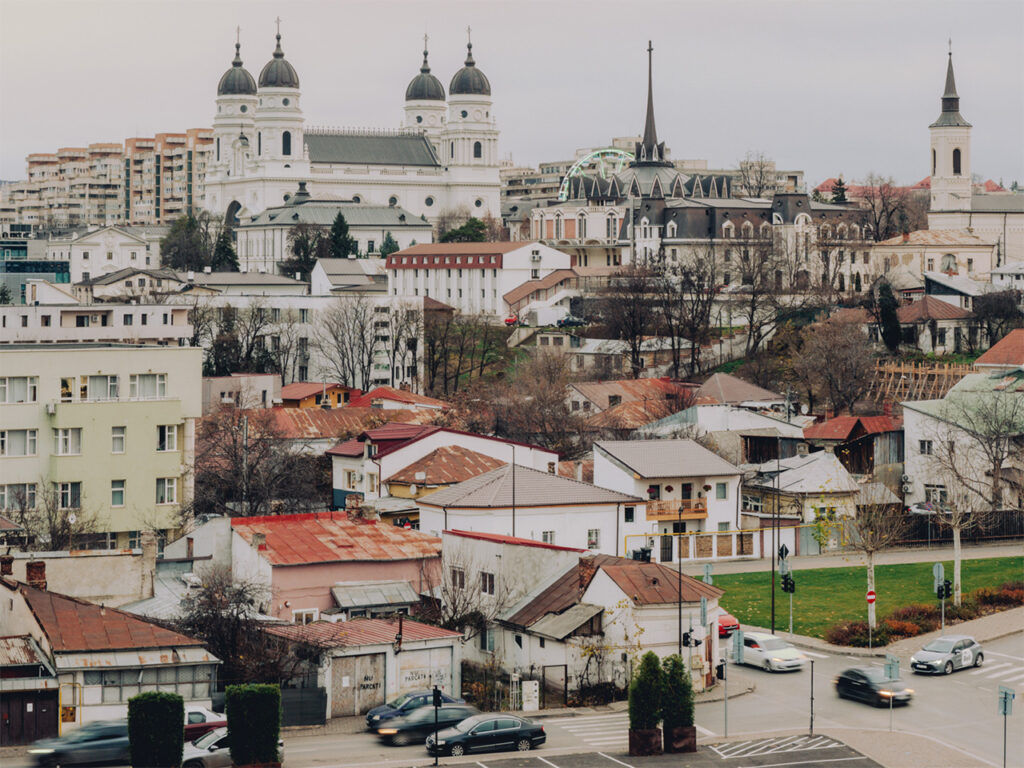
“A property near the Palas Campus business hub costs more than €500,000,” says Raluca Munteanu, a development manager at Romanian real-estate company Iulius, gesturing at a cluster of squat houses with tin roofs – the kind of buildings that you might see in stock footage of communist times. Munteanu is showing Monocle around the heart of Iasi (pronounced “yash”), Romania’s third-largest city.
With a population of about 400,000, it sits in the country’s northeastern corner, near the border with Moldova. It was the capital (or dual capital, with Bucharest) of two of Romania’s predecessor states and has a heavy dusting of historic churches, which frequently appear in your eyeline despite a Ceausescu-era attempt to block them from sight with apartment buildings.
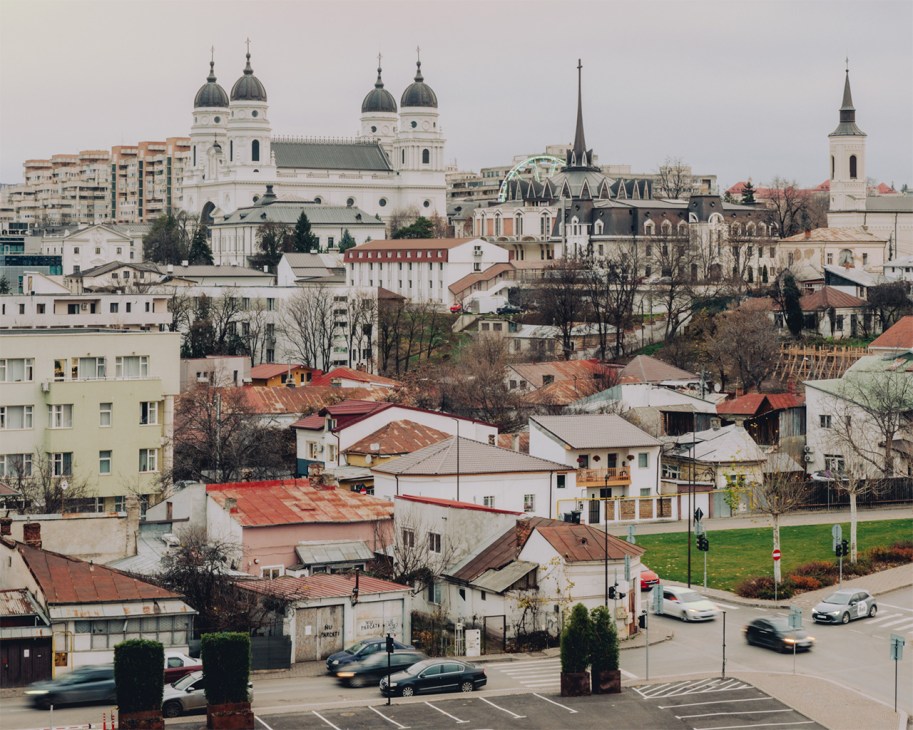 Area around Iasi’s Metropolitan Cathedral
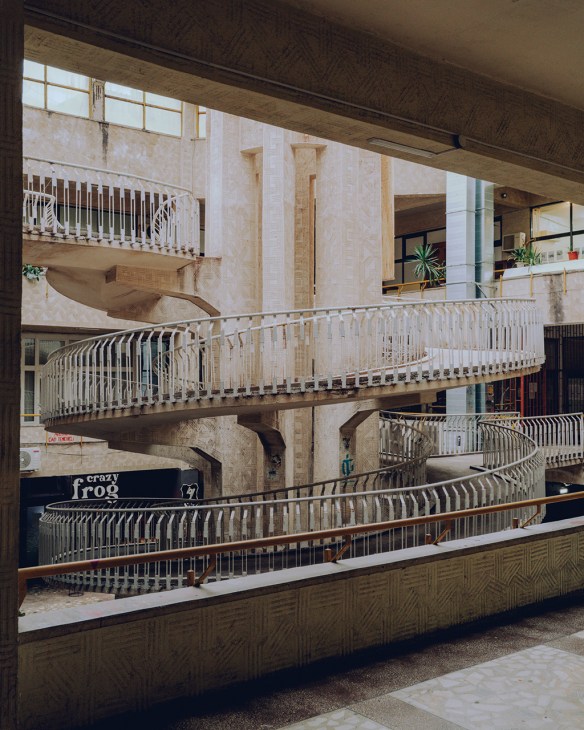 Brutalist shopping centre
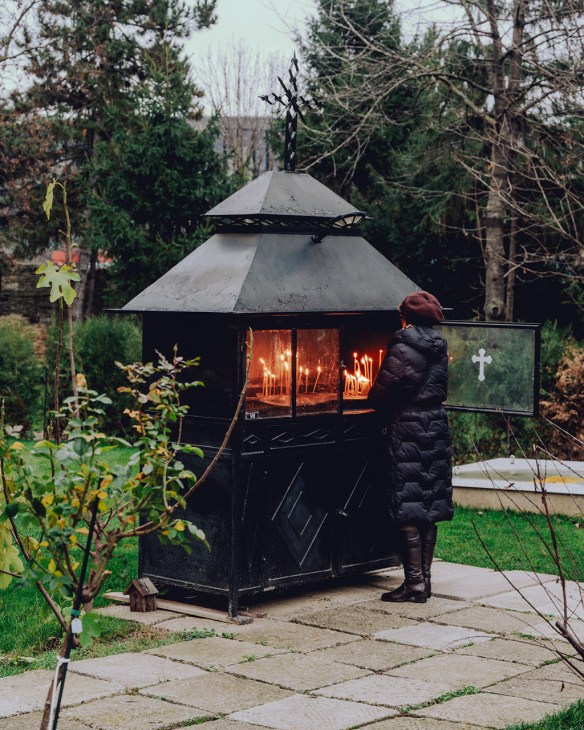 Small hut containing prayer candles
The Palace of Culture, a huge neogothic wedding cake that houses multiple museums, is Iasi’s focal point. But right by it is an arc of equally large but more modern structures. Since 2010, Iasi has been the third-fastest-growing major city in Europe (tied with Wroclaw), behind only Dublin and Valetta. Its economy has grown by an average of about 5 per cent a year over this period and it shows.
As well as the Palas development, which was inaugurated in 2012, there’s the nearby Palas Campus, a business park that Iulius completed in 2022, with 60,000 sq m of office space. Multinational companies such as Microsoft are clients; Amazon is the main tenant. Iulius recently obtained an €80m loan for a Foster + Partners-designed remodelling of Palas, with the first phase under construction.
Since Romania joined the EU in 2007, Iasi has grown into a technology hub. Though it’s a university city, it wasn’t industrially competitive because it’s so far from Western Europe’s big markets, says Mihai Bulai, a lecturer at Iasi’s Alexandru Ioan Cuza University. But technology companies could take advantage of the city’s cheap, high-quality human capital. Oracle and Accenture are among those that have piled in alongside Amazon, establishing software-development operations. Vlad Radulescu, vice-dean of Alexandru Ioan Cuza’s computer science department, says that Big Tech employers are heavily involved in university life – Amazon runs a cloud-computing course, for example, and Romanian firm Bitdefender offers one on anti-malware.
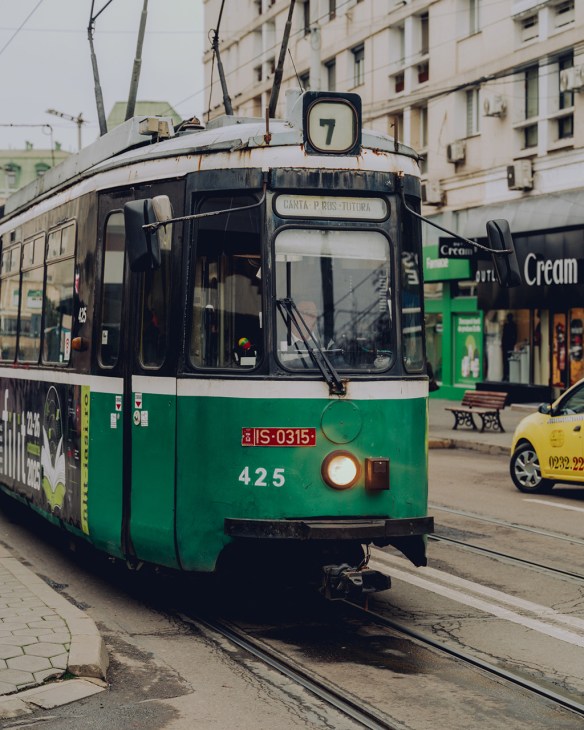 Green tram in central Iasi
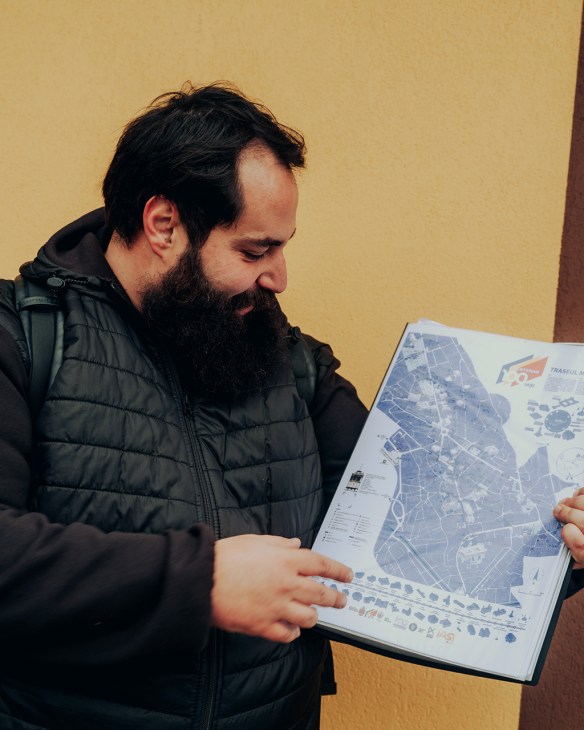 Tour guide Tiberiu Teodor-Stanciu
Iasi also has homegrown technology start-ups such as Adservio, an ed-tech firm founded 17 years ago by Alexandru Holicov. It now has 1.5 million users, about 60 employees and €4m in annual revenue. Operating in the shadow of multinationals can be tricky. In recent years it has been “hard to attract talented people”, says Holicov, given that big firms can outspend him on recruitment. But global technology-sector layoffs – Amazon and Microsoft have cut staff in Iasi recently – has given Adservio and other smaller firms an opportunity.
When potential investors fly into Iasi, says Holicov, they’re surprised at how Western European it feels. The city’s airport is slick, operating flights to cities from Dublin to Dubai; there’s a tram network in the centre, where smart shopfronts abound. The Women’s Tennis Association Tour stops off at the Iasi Open every July. The city hosts FILIT literature festival; it was named a Unesco Creative City for Literature in 2023.
 Roxana Durneac and Mihai Bulai
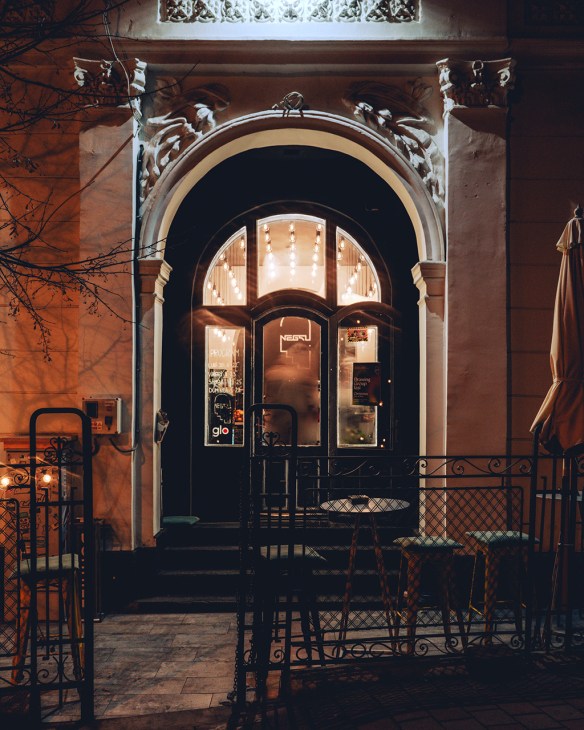 Entrance to Negru Zi
In a whitewashed house off the main avenue, university lecturer Bulai runs Negru Zi, a café and arts space, with his wife, Roxana Durneac. They have hosted more than 100 plays, book launches, talks and other events since they opened 18 months ago. When Bulai finished his degree in 2002, only two people from his class of 20 weren’t planning to emigrate. But things have changed. Among his students today, just 10 per cent, at most, are keen to leave Romania. Wages have shot up, especially in technology. Iasi’s low cost of living also compares favourably with the usual emigration destinations in Western Europe.
Iulius’s plan for Iasi’s centre attests to its confidence in the city’s continued growth. Munteanu worked in Bonn for a couple of years before returning home more than a decade ago and has witnessed her home city’s development. “Romania is the place to be,” she says. As she waves her hands over maps plotting out her grand designs, she is adamant that it will all be finished in three years. “We need to do it quick,” she says.