
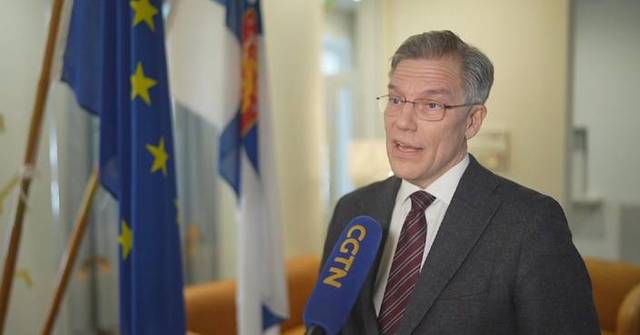
As Finland generates record amounts of clean electricity, the Nordic nation is turning to Chinese technology to solve a critical challenge: storing wind and solar power to meet peak demand.
New battery energy storage systems are being deployed to bridge the gap between when green energy is produced and when it’s most needed, ensuring grid stability, especially during Finland’s dark winters.
Wind and solar power usually peak earlier in the day, especially in Finland, where there are only a few hours of daylight in winter time.
But demand jumps later, when people get home and plug in. Batteries bridge that gap, saving clean power for use whenever it’s needed. That’s where Chinese technology comes in.
“We tried to contact both of them. The manufacturers in China who produce the BESS (Battery Energy Storage System) systems and some of them already have the marketing business in Finland,” said Dong Huang, spokesman of CF International Oy, a Finnish trade company and energy solutions provider.
Finland and China have a Joint Action Plan on promoting a future-oriented cooperative partnership, running till 2029. The two countries are working together to build smarter networks, more efficient buildings and better, greener heating and cooling systems.
“Yes, we are quite far in transition. Ninety-five percent of our electricity is non-fossil, and more than 80 percent of heat, so we are very far. Of course, we both have the interest in clean solutions, non-fossil solutions. So we have cooperated in the fields of renewable energy, energy efficiency, smart solutions, and so on,” said Riku Huttunen, director general of the Energy Department at Finland’s Ministry of Economic Affairs and Employment.
And there’s now a growing supply chain when it comes to batteries. with some big storage solutions arriving. In Nurmijrvi, one of Finland’s largest electricity storage systems has been commissioned — a lithium-ion facility made up of container-sized modules.
“To put it under one title, I think flexibility solutions, which means energy storage, energy efficiency in different kinds of forms, and how to make industries also flexible in their energy usage,” said Huttunen.
From Finland’s point of view, it’s the practical next step: more renewables, and more storage to make them work smoothly, hour by hour. And with China in the mix, the focus is turning cooperation into real, scalable solutions.
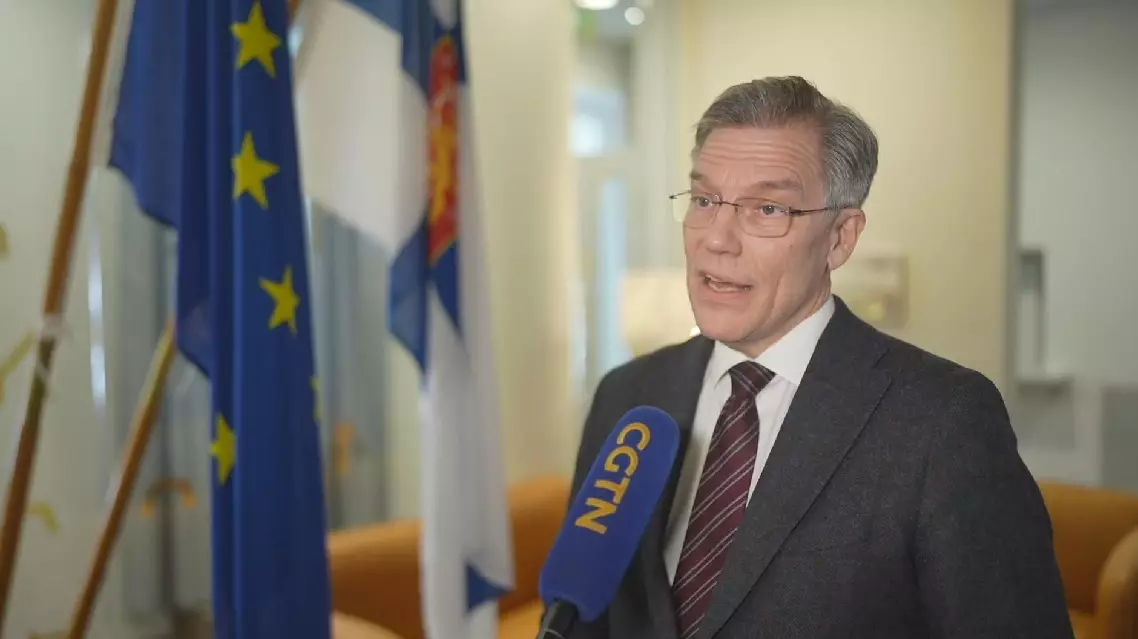
As Finland boosts clean power, China plays major role in energy storage
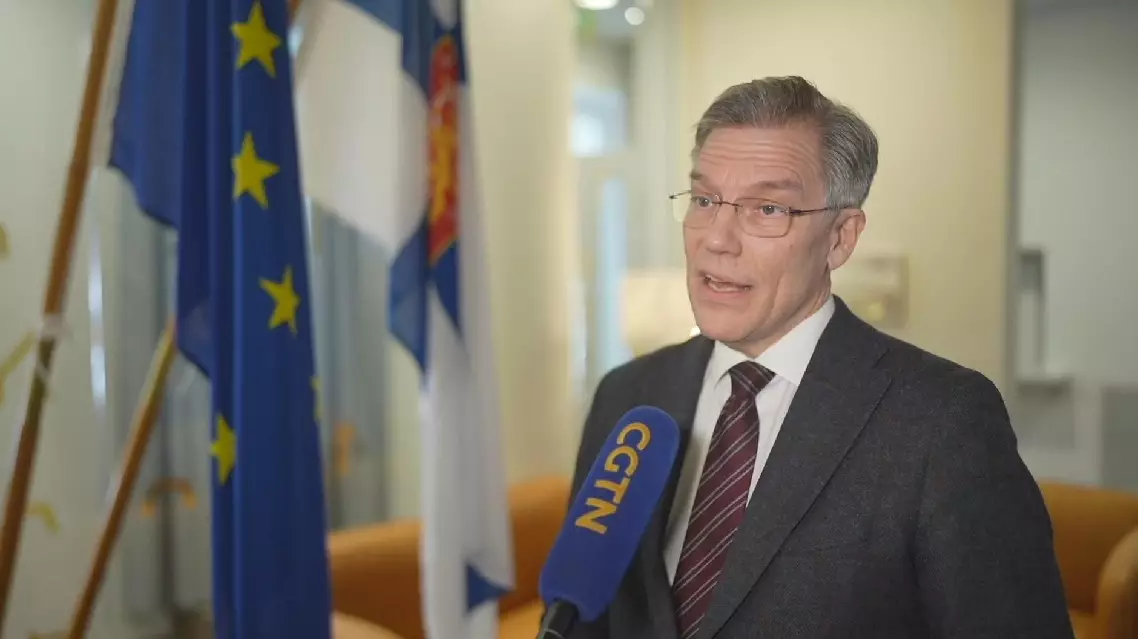
As Finland boosts clean power, China plays major role in energy storage
An official of the United Nations Relief and Works Agency for Palestine Refugees (UNRWA) has condemned Israel for demolishing the buildings within the UN agency’s East Jerusalem compound.
Israeli authorities stormed the Sheikh Jarrah compound of UNRWA last week. After a full day of demolition, all buildings inside the compound had been flattened or severely damaged. Israeli flags were seen raised at the site, while the United Nations (UN) flag had been taken down.
Olaf Becker, director of UNRWA affairs in Jordan, said the Israeli action gravely violates international law and poses challenges to the operations of UN agencies.
Expressing his deep concerns over Israel’s unilateral action, Becker said UNRWA will continue its work in the region and make every effort to ensure that basic public services for Palestinian refugees are not interrupted.
“It’s obviously in contravention to international law. It’s in contravention to Israel’s obligations under the UN Charter as well. While Sheikh Jarrah is highly symbolic, and of course it really impedes our ability for our leadership to operate and coordinate activities. We have offices around the West Bank as well, and we are still operational in those places,” Becker said.
Following the demolition, the Israeli Foreign Ministry said in a statement that the compound “does not enjoy any immunity”, and that the action complied with the law.
In response, Becker said Israel’s denial of the privileges and immunity of UN agencies would directly undermine the legal foundation of the UN system, warning long-term impacts on UN agencies’ ability to independently and effectively fulfill their duties within the framework of international law in the Middle East and globally, and worrying consequences for the UN and the multilateral system.
Israel considers all of Jerusalem as its capital, a claim not recognized internationally, while the UN regards East Jerusalem as occupied territory. Israeli officials have long accused UNRWA of employing Hamas members, which the agency denies.
In October 2024, the Israeli parliament passed a law banning UNRWA, which provides desperately-needed aid to Palestinians in Gaza, the West Bank and other areas, from operating in areas under Israeli jurisdiction, and prohibiting Israeli authorities from maintaining contact or cooperation with the agency, a move UNRWA and international bodies say violates international law. Israel then amended the law in December 2025 to ban electricity or water to UNRWA facilities.
Last month, Israeli authorities seized UNRWA’s offices in East Jerusalem.
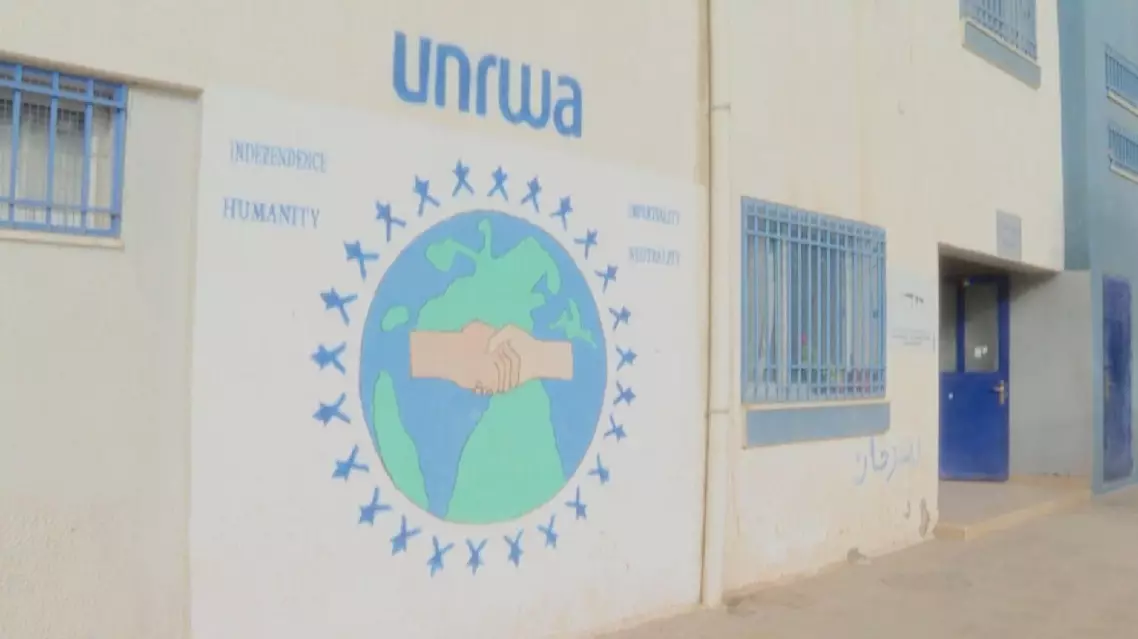
UNRWA official condemns Israeli demolition of agency’s buildings in East Jerusalem