
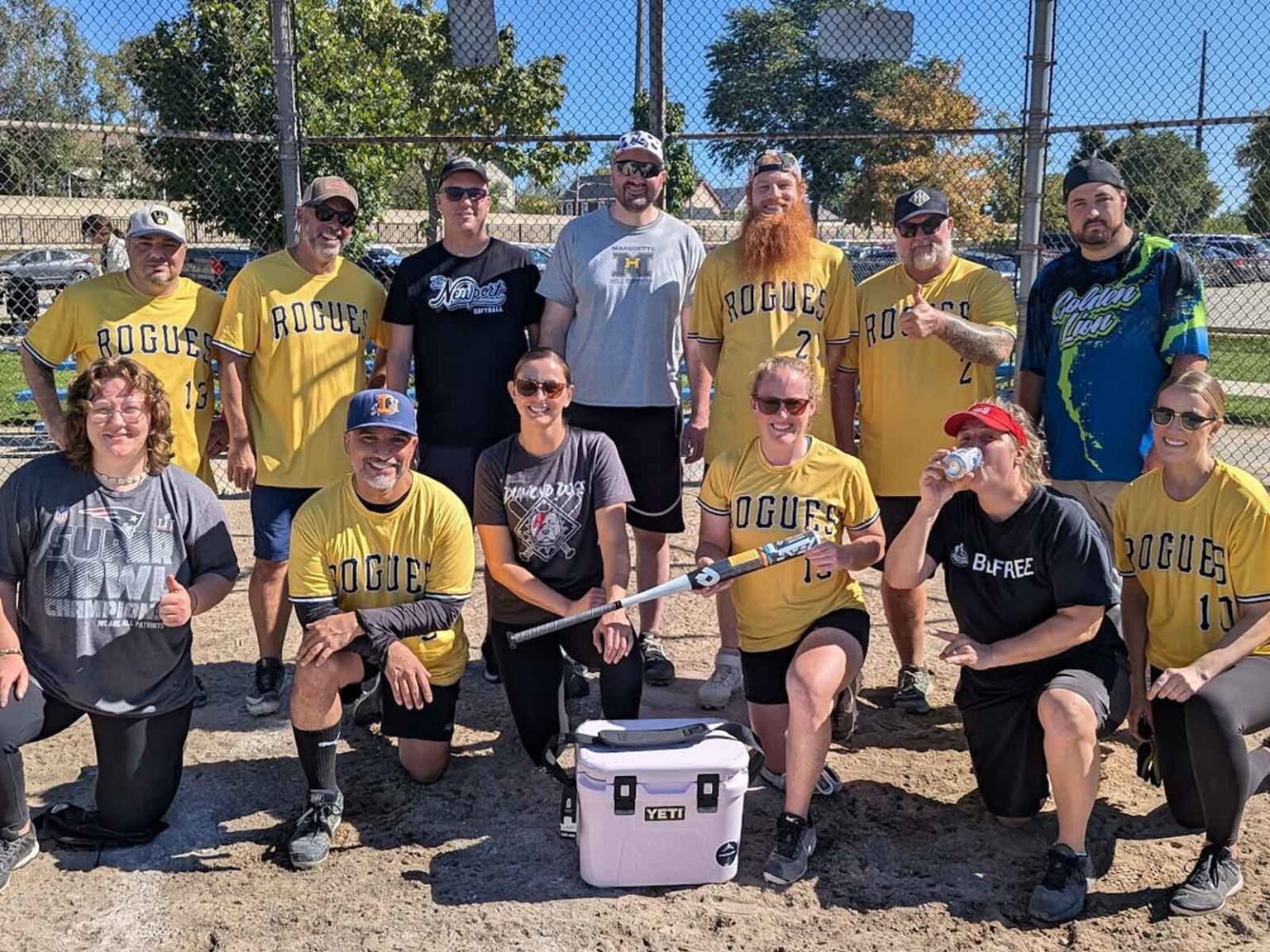
With each sports season, thousands of Milwaukeeans take to the city’s gyms, softball diamonds, volleyball courts and more to compete in recreational leagues in every neighborhood. With that, inevitably, there are also tons of injuries, both nagging and severe that occur every season.
The big questions, though, are how to avoid injury and when do you know that it’s time to seek professional help for that nagging pain that you might chalk up to being (just a touch) past your prime. Most of us don’t have the benefit of access to a sports medicine professional 24/7, but I, fortunately, am married to one.
My wife, Lara Seeby-Halas is a licensed Athletic Trainer that works with Children’s Wisconsin, and has also assessed more than her fair share of sports-related injuries in her career for athletes of all ages. When asked where is “the limit” for an injury, she gave a few telltale signs that a sports injury is over the threshold of when to seek medical help.
“If you can’t perform your daily living activities, it’s time to call a professional,” said Seeby-Halas. “So if it’s hard to walk your dog, or if you’re not getting a full night’s rest, those are things to watch for. You should also watch for numbness and tingling as a sign that something is exceptionally wrong. If you’re experiencing any of those things that affect your lifestyle, you should seek professional care.”
There’s also an immense benefit in preparing yourself to play ahead of your rec league season. Whether that’s stretching more, getting out and exercising to prepare your body, or giving yourself ample warmup time before a game, it can all help to keep you in the game for as long as possible.
“We usually see a lot of overuse injuries, like tendinopathies. This happens a lot in spring sports like pickleball or softball, especially if you’re going from a more sedentary lifestyle in the winter to getting back on the field in spring” said Seeby-Halas. “When you go from zero to sixty right away, without ramping up your cardio and exercise, those types of injuries start to pop up.”
If you are starting to build up your body for an upcoming sports season, there’s certain aspects of your workout that can help more than others. Tailor your workouts to the motions that you’ll go through in your sport of choice, so that you can activate the muscles that you’ll be using during a game.
“I think that people overlook the value of strength training,” said Seeby-Halas. “It’s really easy for people to add in a cardio exercise, like going for runs or longer walks to build up stamina, but they neglect the strength part to go with it. From a longevity standpoint, you want to build up your muscles so that you’re as strong as you can be, but it also helps prevent injury. Everyone should be incorporating strength training into their workout routine at least two to three days per week.”
Whether you’re a beer leaguer getting in games when you can, or if you’re training for milestones like marathons and triathlons, preparation and taking care of your body is key. That includes sports medicine, and giving your body the attention that it needs.