
Malta has improved its standing in the 2026 Climate Change Performance Index, moving up nine places to 25th and classified as a medium performer.
The country received medium ratings for greenhouse gas emissions, energy use, and climate policy, while its renewable energy adoption remains low.
Since the introduction of the Climate Action Act in 2015, Malta has legally committed to climate protection. However, CCPI experts note a gap between legislation and actual results. The establishment of the Climate Action Authority in 2024 was intended to improve coordination of climate policies, but tangible reductions in greenhouse gas emissions remain limited, and implementation is weak.
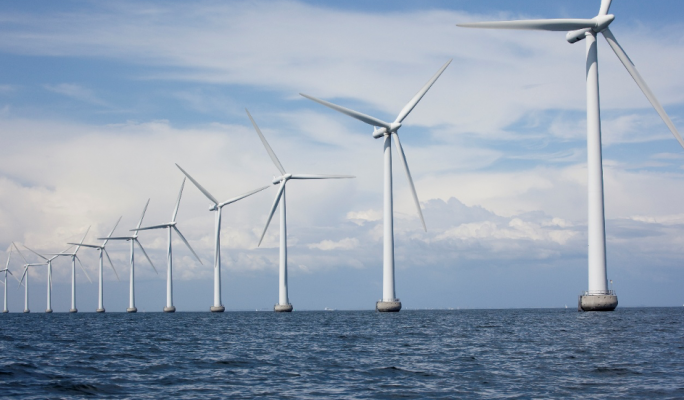
Energy policy has drawn mixed reviews. Malta’s 2025 budget extended subsidies to help citizens with energy costs, a measure expected to continue in 2026. Experts recognise the importance of protecting households from fuel poverty but warn that subsidies can encourage high energy consumption and waste. Some progress has been made in solar energy, yet offshore wind projects have stalled despite decades of planning.
Last year, Energy Minister Miriam Dalli announced that Malta is expected to select a contractor for its first offshore floating wind farm by the start of 2028.
In October 2024, the National Policy for the Deployment of Offshore Renewable Energy was launched, and a tender for Malta’s first floating offshore wind farm began in December 2024. However, the commissioning date for the project remains uncertain.
Malta remains heavily dependent on fossil fuels and private vehicles. Although public transport has been free for Tallinja card holders since October 2022, and subsidies for electric vehicles have increased uptake, car use has not decreased. Bicycle infrastructure is limited, and alternative transport options are insufficient to drive a significant shift.
Experts call for more ambitious climate action. Fossil fuels should be phased out, with public funds invested in renewable energy, energy efficiency, and community energy projects. Reducing reliance on private cars and improving sustainable transport are also crucial.
Malta has made some progress through legislation and early renewable initiatives, but CCPI experts stress that more decisive action is needed to achieve meaningful climate results and transition to cleaner energy and transport systems.
Malta ranked lowest in renewable energy (41st place) but performed better in climate policy (20th place) and greenhouse gas emissions (22nd place). No country was considered strong enough across all categories to achieve an overall very high rating, so the top three ranks remain vacant. Denmark, followed by Luxembourg, remains the top-ranked country. Eight EU nations are listed among the high performers, while Russia (64th), the United States (65th), and Saudi Arabia (66th) are still the G20’s worst-performing countries, receiving an overall very low rating.
The CCPI evaluates and compares the climate protection performance of 63 countries and the European Union, which together account for more than 90% of global greenhouse gas emissions. Around 80% of the assessment is based on quantitative data from the International Energy Agency, PRIMAP, the Food and Agriculture Organization, and national GHG inventories submitted to the UNFCCC.