
Published on
January 31, 2026
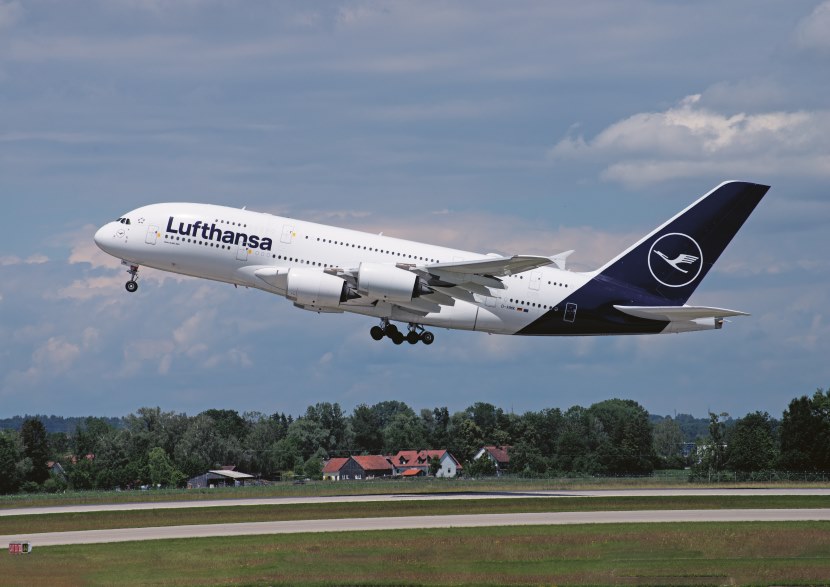
The skies above Europe are undergoing a monumental transformation, as airlines from Lufthansa, airBaltic, Air France, SAS, British Airways, Iberia, Aer Lingus, Vueling, LEVEL, to SWISS integrate Starlink high‑speed satellite internet into their fleets. This landmark shift is not just a technological upgrade — it’s a game changer for how passengers experience air travel.
In the past, inflight connectivity was often frustratingly slow, with limited bandwidth that only allowed for basic browsing. But the introduction of Starlink’s low Earth orbit (LEO) satellite network offers broadband‑like speeds, even at cruising altitudes. The new technology will enable passengers to stream movies, participate in video calls, and work remotely with the same quality of internet they would have on the ground.
For both leisure and business travellers, this development has enormous implications, and it’s shaping up to be a major competitive differentiator in the aviation sector. In this article, we dive into which airlines are leading the charge, what passengers can expect, and why Starlink is such a game‑changer for the travel and tourism industries.
Why Starlink is a Game Changer for European Airlines and PassengersA Seamless Digital Experience: Connecting the Skies
Starlink promises to bridge the gap between terrestrial and airborne internet connectivity. No longer do passengers need to rely on outdated, slow inflight Wi‑Fi. Instead, Starlink offers high‑speed internet comparable to what’s available on the ground, thanks to SpaceX’s revolutionary satellite network. It provides lower latency (quicker response times) and faster speeds, enhancing everything from casual browsing to live streaming and video conferencing.
For passengers, this means instant connectivity from takeoff to landing, allowing them to manage work emails, update social media, stream movies, or simply browse the internet. Whether for business or leisure, inflight connectivity is no longer a luxury but a necessity for many.
What Does This Mean for the Airline Industry?
Airlines are now using connectivity as a competitive advantage. Passengers are increasingly seeking seamless travel experiences, and the ability to stay connected during flights is a big part of that expectation. The introduction of Starlink technology will likely lead to a rise in passenger satisfaction, brand loyalty, and digital services that will enhance airline revenues. Additionally, business travellers can use inflight time to maintain productivity, making Starlink Wi‑Fi an essential tool for corporate travel.
Advertisement
Advertisement
European Airlines Leading the Starlink Revolution
The following European airlines have either already introduced Starlink onboard or have announced significant plans to do so:
Lufthansa Group: A Full‑Fleet Starlink Deployment by 2029
Leading the charge is Lufthansa, Europe’s largest airline group. With a fleet that includes Lufthansa Airlines, SWISS, Austrian Airlines, Eurowings, Brussels Airlines, and others, Lufthansa Group is embarking on an ambitious Starlink rollout across its entire fleet. Official plans indicate that the group aims to equip 850 aircraft by 2029, starting with long‑haul routes and expanding to include regional flights in later stages.
Advertisement
Advertisement
This extensive collaboration positions Lufthansa Group as the largest airline group in Europe to adopt Starlink across its entire fleet. According to official information, the satellite system will bring broadband access comparable to ground networks onboard aircraft. Starlink technology is designed to support bandwidth‑intensive activities such as video streaming and cloud services, replacing older connectivity solutions without sacrificing performance at altitude.
The rollout will progressively include both short‑haul and long‑haul aircraft. Brussels Airlines, for instance, is among the first within the group scheduled to begin equipping its Airbus A320 fleet in 2026 with high‑speed Wi‑Fi powered by Starlink, integrating digital services into the travel experience across regional and intra‑European routes.
Lufthansa Group’s approach reflects a broader strategic emphasis on enhancing the passenger experience through digital innovation. Connectivity is now considered complementary to core travel services rather than a premium add‑on, helping airlines remain competitive in a market where seamless internet access is rapidly shifting from luxury to expectation. As part of this deployment, status customers and frequent flyers will benefit from free access via official group loyalty and Travel ID programmes, promoting continuous engagement with airline digital ecosystems.
airBaltic: The First European Airline to Go Starlink
airBaltic, the Latvian carrier, made history as the first European airline to install Starlink onboard its aircraft. Starting in 2025, airBaltic began offering free, high‑speed Starlink Wi‑Fi to passengers on its Airbus A220‑300 fleet.
This early adoption shows airBaltic’s commitment to improving the digital experience for passengers flying within Europe and to international destinations. The airline’s free Starlink internet is a key selling point for travellers looking for fast, uninterrupted browsing while flying.
Given airBaltic’s full implementation across its Airbus A220 fleet, European passengers flying with the airline benefit from connectivity that mirrors ground‑based internet performance. For a tourism industry increasingly reliant on digital content sharing, online bookings, itinerary changes and remote work flexibility, this service enhances both leisure and business travel experiences.
Air France and SAS: Starlink for Premium Passengers
Both Air France and SAS are also in the process of implementing Starlink across their fleets. While these airlines are still in the early stages of adoption, Starlink installations on long‑haul flights are expected to begin in 2026.
For Air France, this is part of a broader strategy to enhance the premium inflight experience. Offering high‑speed satellite internet will allow passengers to maintain productivity during transatlantic flights, improving both business travel and customer satisfaction.
SAS, the flag carrier of Scandinavian countries, followed suit with Starlink installations as part of its inflight service upgrades. Though exact operational details vary by aircraft type and deployment schedules, both Air France and SAS have demonstrated commitment to integrating satellite internet systems across regional and long‑haul services, aligning with broader industry connectivity standards.
British Airways, Iberia, Aer Lingus, Vueling, and LEVEL: Full Fleet Coverage by 2026
The International Airlines Group (IAG), which owns British Airways, Iberia, Aer Lingus, Vueling, and LEVEL, has also committed to rolling out Starlink Wi‑Fi across over 500 aircraft by 2026.
IAG’s strategy focuses on creating a connected travel experience for passengers flying long‑haul or short‑haul routes within Europe, the Middle East, and beyond. As Vueling and LEVEL target budget travellers, the addition of Starlink satellite internet will differentiate these low‑cost carriers from others in the same segment.
This phased deployment across IAG airlines aligns with industry expectations that satellite internet will become a mainstay of passenger service offerings, enabling high‑bandwidth applications regardless of geography. For passengers flying to European destinations or connecting internationally, the expanded Starlink footprint will support real-time travel planning, social media engagement and access to streaming content without interruption.
SWISS and Wider Lufthansa Group Connectivity Deployment
As a full member of the Lufthansa Group, SWISS (Swiss International Air Lines) is included in the fleetwide Starlink rollout. Official industry sources confirm that the group’s agreement covers SWISS aircraft along with other carriers within the network, and that installation will begin in the second half of 2026.
SWISS’s inclusion in the programme ensures that passengers flying between European hubs and long‑haul routes departing from Switzerland will enjoy the benefits of satellite connectivity. For travel sectors heavily dependent on digital engagement — such as business tourism and multi‑destination leisure itineraries — enhanced connectivity enables smoother online coordination, entertainment options and mobile access at cruise altitude.
Key Factors Driving Starlink Adoption in European Airlines
Here’s a detailed breakdown of the key drivers and highlighted factors influencing Starlink adoption across European carriers:
Tourism and Travel Implications of Starlink AdoptionTourism Connectivity: A Competitive Edge
The integration of Starlink Wi‑Fi across major European airlines is poised to impact the tourism sector in several ways. First, it enables real‑time updates and itinerary changes for passengers who can access online travel services while in the air. Whether it’s booking hotels, exploring local attractions, or navigating transportation options at destinations, seamless connectivity allows travellers to stay connected to their destination at all times.
Airlines offering premium services, such as British Airways and Air France, will also see an influx of business travellers who expect reliable internet during transatlantic flights. As Starlink speeds up digital processes, the business tourism market stands to benefit, particularly for executives needing constant access to cloud storage, video conferencing, and emails.
Sustainability and Efficiency: Reducing the Need for Ground Connectivity
For many low‑cost carriers, Starlink technology is not just a customer satisfaction tool but also an operational improvement. By using a single satellite network instead of relying on multiple ground‑based relay stations, airlines can reduce their operational complexities. Moreover, Starlink’s satellite system allows for more efficient coverage of remote or underserved regions, enabling airlines to connect regions that previously lacked consistent internet infrastructure.
Rising Expectations Among Passengers
As airlines continue to upgrade their digital capabilities, passengers are likely to expect internet connectivity on all flights. What was once a luxury for business or long‑haul passengers is quickly becoming a baseline service for all passengers, regardless of class or destination. For airlines that do not yet offer Starlink, there may be increasing pressure to adopt such services in order to meet customer expectations.
Conclusion: The Future of European Air Travel and Connectivity
As Starlink satellite technology continues to expand across Lufthansa, airBaltic, Air France, SAS, British Airways, Iberia, Aer Lingus, Vueling, LEVEL, and SWISS, the inflight travel experience is set for a significant digital transformation. This move toward faster, more reliable internet marks a new chapter in air travel that will improve tourism experiences, business travel, and consumer satisfaction.
Starlink’s cost efficiency, speed, and reliability make it a transformative tool in the aviation sector, offering benefits that extend well beyond simple connectivity. The rollout of Starlink Wi‑Fi will redefine the travel experience for millions of passengers, making it an essential part of the future of European aviation.
With hundreds of aircraft scheduled to be equipped in the next few years, the day of seamless connectivity from takeoff to landing is rapidly approaching, transforming the way we travel and stay connected.
image: Lufthansa
