
Published on
January 31, 2026
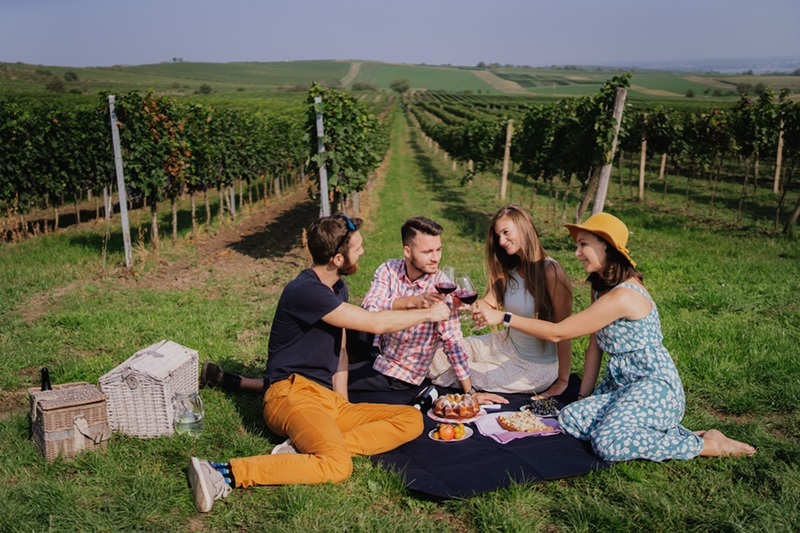
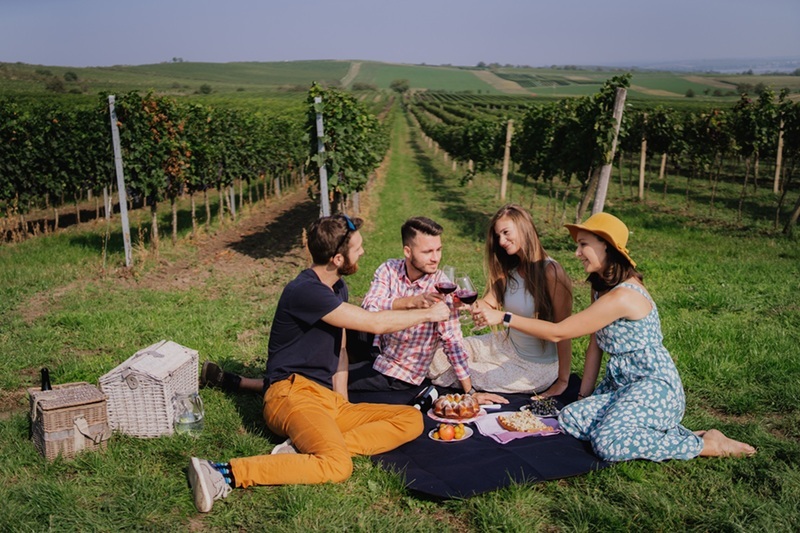
Estonia is quietly emerging as an unexpected wine haven, capturing the attention of wine lovers across the globe in 2026. This Baltic nation, long known for its rugged landscapes and rich history, is now drawing attention for its unique wine offerings. The rise of cold climate viticulture, alongside new hybrid grapes that thrive in Estonia’s cool temperatures, has led to the creation of a thriving wine industry. These new developments have propelled Estonia into the spotlight as a destination that offers a distinctly different experience for wine enthusiasts seeking something truly unique.
In a world where famous wine regions like Bordeaux and Tuscany dominate the conversation, Estonia is positioning itself as a hidden gem. While its cool, northern climate once seemed a barrier to traditional viticulture, it has now become an asset. Thanks to advancements in grape breeding and the impact of climate change, Estonia’s vineyards are producing world-class wines that capture the essence of the country’s harsh yet beautiful environment. This shift is attracting curious wine lovers who want to experience the intersection of innovation, tradition, and nature.
The Rise of Cold Climate Viticulture in Estonia
For years, Estonia was not considered a serious wine producer. However, over the past two decades, a small but significant wine industry has emerged, fueled by new techniques and a growing interest in cold climate viticulture. Pioneering wineries like Luscher & Matiesen Muhu Winehouse, located in one of the northernmost wine regions in the world, are now making waves.
The winery, which has around 2,000 vines, is a perfect example of how Estonia’s climate is shaping the future of wine production. The hybrid grapes used here have been specially bred to withstand cooler and shorter growing seasons, making them ideal for Estonia’s climate. Visitors to the winery can experience tasting sessions, wine tours, and even workshops where they can learn about the unique process behind these wines.
Advertisement
Advertisement
- Tasting Unique Wines: The wine produced in Estonia reflects the local terroir—harsh Nordic conditions combined with a short, cooler summer. This results in wines with distinct flavours that are unlike anything found in traditional wine regions.
- Stay at the Wine Tourism Farm: Guests can enjoy a stay at the Luscher & Matiesen guesthouse, where they can immerse themselves in the viticulture process and experience Estonian hospitality.
- Learn and Explore: Visitors can take part in viticulture tours, where they can discover the art of winemaking in one of Europe’s most northerly wine regions.
Estonia’s Growing Wine Scene
Estonia’s wine industry is still in its infancy compared to traditional wine powerhouses, but it is rapidly expanding. The country has established the Estonian Wine Trail, an official route that allows visitors to explore the region’s vineyards and sample the best that Estonia has to offer. As more vineyards open across the country, Estonia is quickly gaining recognition for its wine tourism offerings.
Visitors to Estonia in 2026 will experience a country that is embracing innovative agriculture while celebrating tradition. The uniqueness of Estonian wines lies not just in the variety of grapes, but in how they reflect the resilience of the land and the people who farm it. It’s a wine experience like no other—authentic, fresh, and deeply connected to the country’s culture.
Advertisement
Advertisement
A Hotbed of Wine Innovation
One of the key factors contributing to the rise of Estonian viticulture is the growing interest in hybrid grape varieties that can withstand the cold northern climate. These innovative grapes are not only hardy but also yield wines with distinct characteristics that set Estonian wines apart from traditional European varietals. The wines produced here have a fresh, crisp profile with subtle nuances, making them a delight for wine enthusiasts looking to try something new.
The climate change factor is also playing a pivotal role in the development of the wine industry. Warmer summers and milder winters are extending the growing season, allowing winemakers to experiment with a wider range of grapes. As a result, Estonia is producing pinot noir, meunier, and other popular wine varieties that were once considered too difficult to cultivate in the region.
- Hybrid Grapes: These varieties have been specifically bred to thrive in colder conditions, and they are proving to be a hit among wine lovers who appreciate their unique taste.
- Climate Change Impact: As the growing season becomes more predictable, winemakers are able to refine their craft and produce higher quality wines year after year.
Wine Tourism: Estonia’s New Frontier
With its burgeoning wine industry, Estonia is also reaping the benefits of wine tourism, an emerging segment of the travel market. The country’s unique offerings make it an attractive destination for those seeking an alternative to the overcrowded wine regions of Southern Europe. Wine lovers can enjoy a personalized experience at the vineyards, learning about the winemaking process and tasting wines that are truly reflective of Estonia’s natural beauty.
In 2026, Estonia’s wine industry will continue to grow, with new vineyards opening their doors to visitors. The country’s wine tourism experience is set to become a major draw for travellers looking for authentic, innovative, and sustainable wine experiences. The development of wine trails and tasting rooms will further solidify Estonia’s reputation as a top destination for wine lovers.
- Vineyard Tours: The Estonia Wine Trail offers a variety of vineyard tours, where visitors can sample the best wines the country has to offer.
- Private Wine Tastings: Guests can enjoy private wine tastings with expert sommeliers who explain the intricacies of Estonian wines.
- Stay and Explore: Many of Estonia’s wineries offer accommodations, allowing guests to fully immerse themselves in the wine culture.
The Future of Estonian Wine: A Bright Horizon
As Estonia’s wine industry continues to develop, the future looks bright for both local winemakers and international visitors. The success of wineries like Luscher & Matiesen Muhu proves that cold climate viticulture is not only possible in Estonia but can thrive in this northernmost region. With continued support from the government and local tourism boards, Estonia is poised to become a leader in the world of wine.
As climate change continues to shape the future of agriculture worldwide, Estonia is embracing it as an opportunity to carve out a unique space in the global wine market. The country’s commitment to producing high-quality wines in a sustainable and innovative manner will ensure that it remains a top destination for wine enthusiasts in 2026 and beyond.
- Growing Interest: The development of the wine industry will continue to attract more wine lovers to Estonia.
- Sustainability: Estonia’s focus on sustainable practices ensures that the growth of its wine industry is both environmentally and economically responsible.
- International Recognition: As Estonian wines gain more recognition, they will continue to gain a place on the global wine map.
Conclusion: Estonia’s Wine Industry Is Set for Growth
Estonia is quickly establishing itself as a must-visit destination for wine lovers. Its unique approach to cold climate viticulture, combined with a growing wine tourism sector, has set the stage for the country to become a leading player in the global wine industry. Whether you are a seasoned wine enthusiast or simply looking to try something new, Estonia’s wines offer an experience that is unlike any other.
With innovative practices, sustainable growth, and distinctive wines, Estonia is ready to shine in 2026 and beyond, offering wine enthusiasts a new and exciting destination to explore.
