
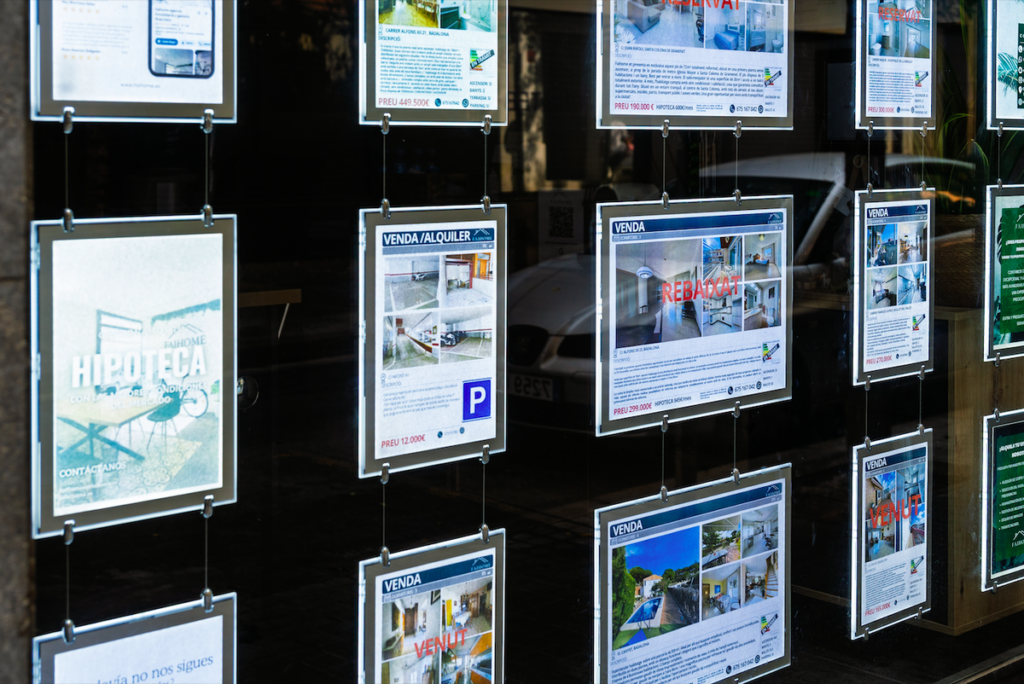
The first impression many buyers get of a home comes from its photos. Photo credit: Manuel Milan/Shutterstock
A growing trend in the real estate market is drawing attention from regulators and prospective buyers alike: the use of artificial intelligence (AI) to enhance or generate listing photos of homes for sale. While many real estate professionals see AI as a useful marketing tool, authorities and consumer advocates are warning that it can mislead buyers and erode trust in online property listings, a concern that resonates with anyone searching for a home, whether in Spain or abroad.
As property searches increasingly begin online, the first impression many buyers get of a home comes from its photos. Traditionally, professional photographers took these pictures or agents used basic editing software to adjust lighting and framing. Today, new AI tools can do much more: automatically improve lighting, tidy interiors, add virtual furnishings, or even generate entirely new visuals that don’t reflect the property’s real appearance.
What Real Estate Agents Are Doing With AI
Many real estate agencies now use AI‑based photo enhancement platforms that take standard photos and instantly produce polished, high‑impact images designed to attract more views and visits. These tools can correct lighting, balance colours, remove clutter, and apply virtual staging, which shows a furnished version of an empty room. They can even change sky colour or outdoor settings to make a property appear more appealing.
Some companies market these capabilities as a way to “transform dull photos into magazine‑worthy images in seconds,” claiming that listings with enhanced visuals generate significantly more interest from buyers. Real estate professionals say this helps them compete for eyeballs in a crowded digital marketplace.
When Enhancement Becomes Misrepresentation
However, authorities and industry watchdogs are warning that there is a line between helpful enhancement and misleading manipulation. Photos that simply tidy a scene or brighten a room may be acceptable and even beneficial, but when images distort the actual condition, dimensions, or features of a property, buyers can be misled.
Regulatory bodies in places like the United States have specifically raised alarms about AI‑generated or heavily altered listing photos. For example, the New York Department of State has publicly warned homebuyers about a rise in AI‑generated listing images that could misrepresent properties, urging buyers to exercise caution and verify listings in person.
Critics argue that when images show features that don’t exist, such as digitally inserted furniture, corrected structural flaws, or exaggerated space, they create false expectations. A buyer arriving at a viewing based on overly optimistic photos can feel misled and waste time and money travelling to view a property that looks very different in reality.
Legal and Ethical Implications
In response to these concerns, some jurisdictions are moving toward clearer rules. In the United States, new laws require that any digitally altered real estate photo must be labelled as such and original images be made available alongside edited ones to avoid misleading consumers. These rules aim to balance innovation with transparency.
Professional real estate associations also stress ethical obligations. Under codes of conduct used by organisations such as the National Association of Realtors, agents are expected to avoid exaggerating or concealing important facts about a property. Using AI in ways that misrepresents a home’s true condition could violate these standards and expose an agent to reputational or legal risk.
What This Means for Buyers in Spain
Special caution should be given to people living in or looking to buy property in Spain, because many international property portals and agencies operate across borders, and buyers often compare listings from different countries with similar online platforms. Spanish homebuyers and expats frequently use global and local real estate websites, where some listings may incorporate AI‑enhanced imagery.
Even if Spanish law does not yet specifically regulate AI photo use in real estate, the experience of buyers abroad warrants the need for caution. Photos that appear too perfect or stylised should prompt buyers to verify details independently, such as through in‑person visits, independent inspections, or by requesting original photos from agents.
Experts suggest that prospective buyers ask questions such as:
- Were the listing photos taken by a professional photographer or enhanced with AI?
- Can the agent provide unedited versions of the images?
- Do the photos show actual views and spaces as they are, or virtual staging?
These questions can help potential buyers distinguish between marketing enhancement and misleading representations.
Technology vs. Trust
Artificial intelligence offers undeniable advantages for the real estate market, enabling faster marketing and lowering some costs for agents. It can also help buyers imagine how a space could be used or furnished. But when images no longer reflect reality, trust, the foundation of the property market, can erode.
Industry observers note that the best use of AI is transparency paired with creativity: tools that assist buyers in visualising potential changes with clearly labelled virtual staging or enhancements that don’t disguise flaws or fabricate details.
As more buyers begin their search online, the challenge will be balancing technological innovation with accurate, honest depictions of homes. For those exploring the Spanish property market, whether for a first home, a relocation, or investment, staying informed about how listing images are produced and disclosed is becoming an essential part of the home-buying process.
Bottom Line
AI is reshaping real estate marketing, offering powerful tools to make listings stand out online. But when it’s used to hide the truth about a property’s condition or features, it can lead to disappointed buyers and mistrust in the market. Buyers in Spain and elsewhere should remain vigilant, ask the right questions, and always verify what they see online with real‑world checks before making major decisions.