
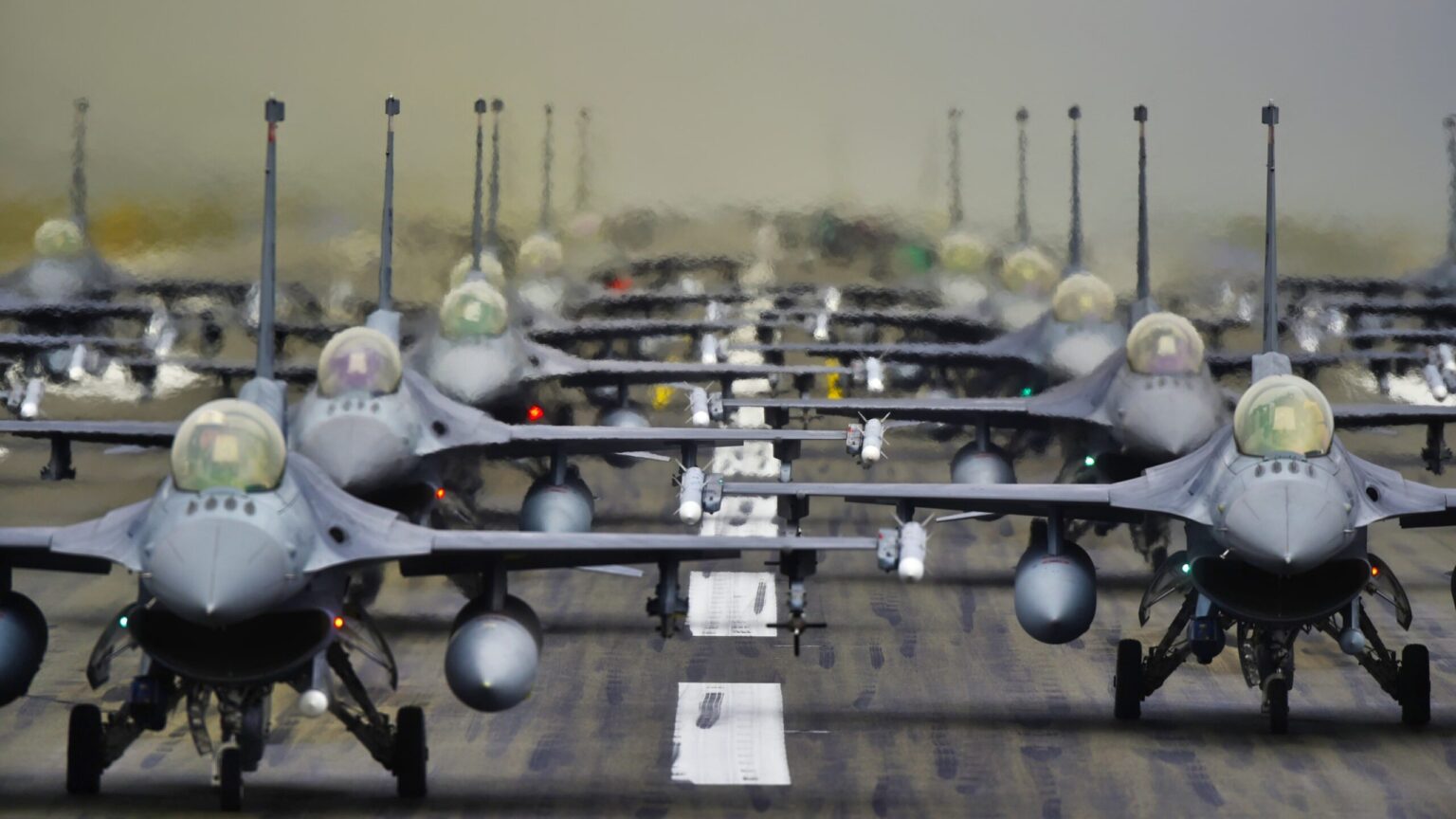
Summary and Key Points: A recent U.S. intelligence briefing characterizes Belarus as effectively integrated into Russia’s military posture, thereby shifting the security calculus along NATO’s eastern flank.
-The key inflection point is identified as Aleksandr Lukashenko, enabling the 2022 invasion phase launched from Belarusian territory, followed by sustained Russian access to bases, airspace, and logistics corridors.
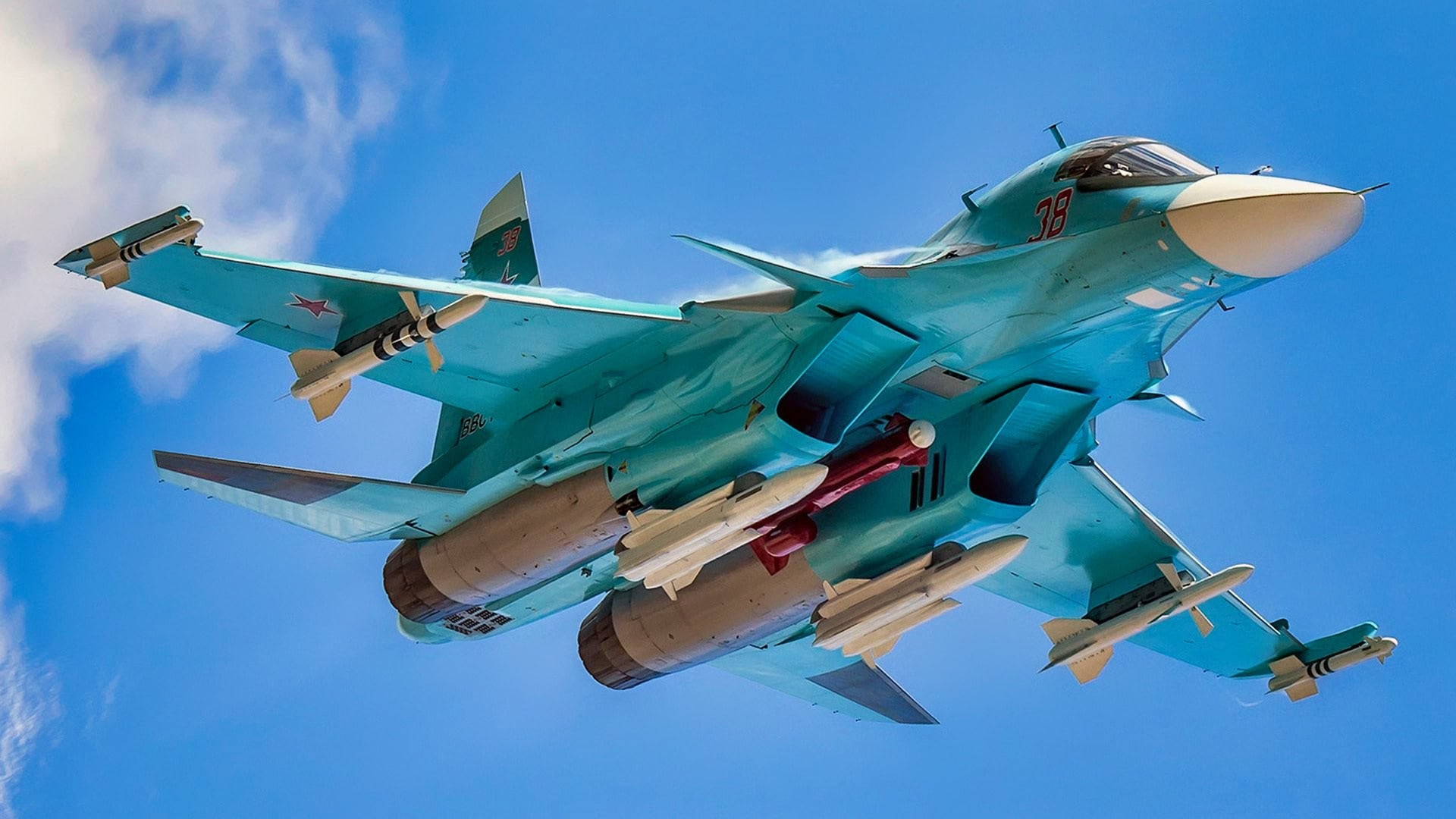
Su-34 Fullback. Image Credit: Creative Commons.
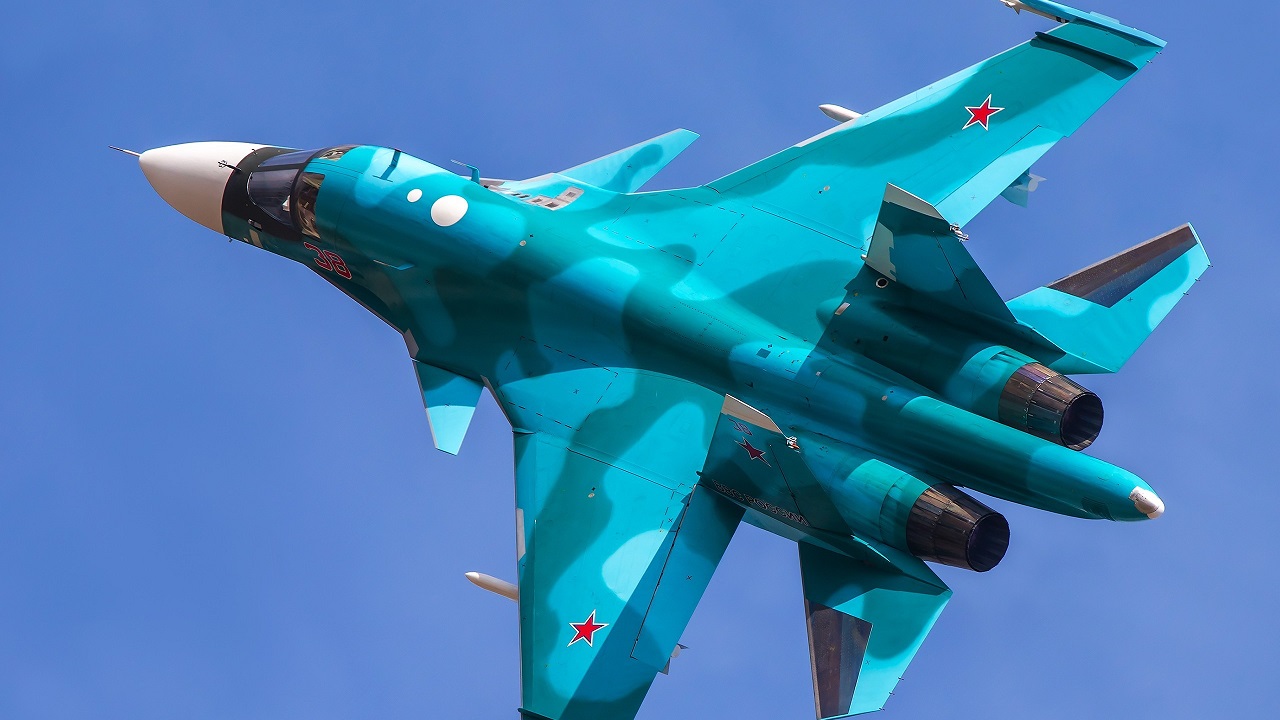
Russian Su-34 fighter-bomber. Image Credit: Creative Commons.
-The result is a pre-positioning and strike-enabling hub that increases uncertainty and pressure on northern Ukraine and nearby allies.
Belarus Is “Independent” in Name Only—and U.S. Intel Says NATO Must Plan Accordingly
In a briefing prepared several days ago for Congress, U.S. intelligence agencies concluded that Belarus is a country “independent” in name only.
The small NATO-bordering nation became a case study in creeping authoritarianism. It has also, according to assessments by US agencies, been absorbed into Russia’s military posture in Eastern Europe.
Army Recognition reported that the briefing published on January 28 states Belarus should no longer be regarded as a loosely aligned partner of the Kremlin.
Instead, say some U.S. lawmakers, the country has become a functional extension of Russia’s military architecture.
This new alignment has fundamentally altered the security landscape along NATO’s eastern flank and will make U.S. defense planning more difficult.
Russia’s presence in the country, says the briefing, “is therefore not limited to political coordination: it reflects a model of sustained military access and infrastructure presence that supports Moscow’s broader posture.
This approach allows Russia to use Belarus’s geography as a militarized buffer zone, reducing distances to strategic objectives and increasing pressure on NATO reinforcement corridors.”
Russia gains a lot of value from this situation when it is engaged in a prolonged war, as it is now.
It allows Moscow to reduce the warning time NATO might have of its actions. It obscures Russian intentions and creates sustained pressure on northern Ukraine, all while generating a persistent threat against Poland, Lithuania, and Latvia.
When Was the Critical Turning Point
The briefing zeroes in on the point in time when Belarus became something more than “Putin’s poodle.”
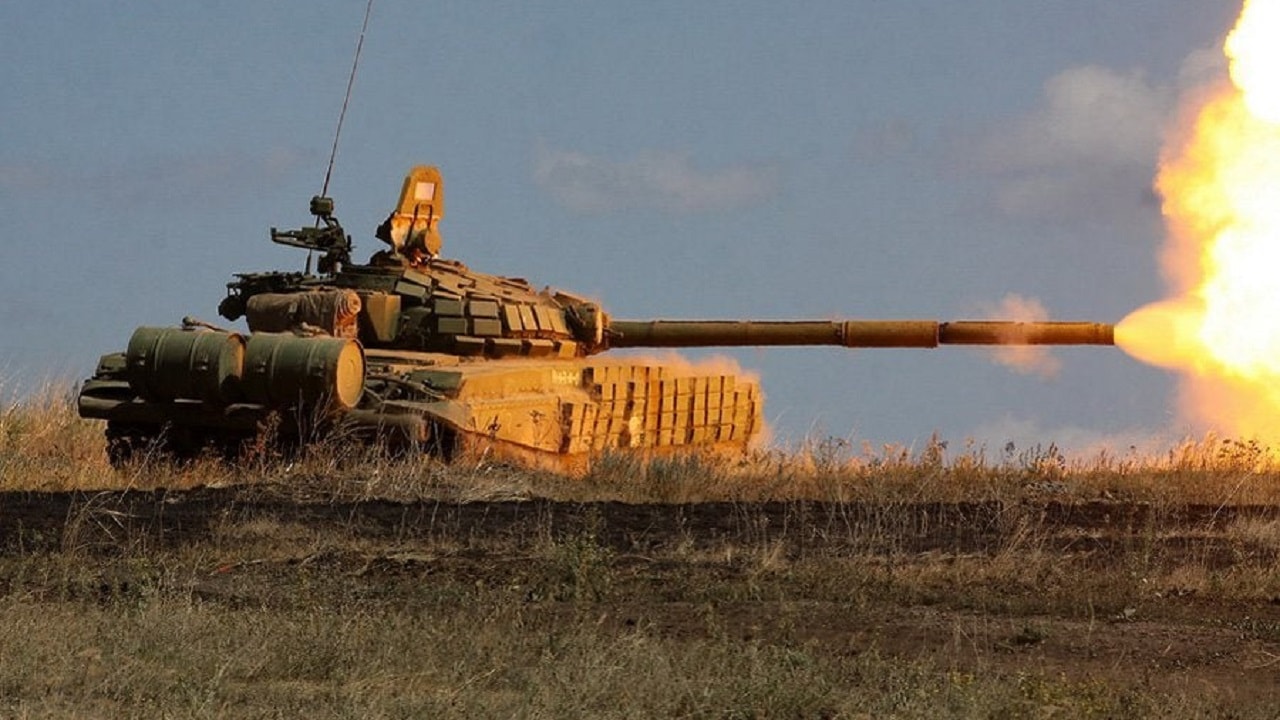
Russia’s T-72 tank firing. Image Credit: Creative Commons.
That moment was when Belarusian strongman Aleksandr Lukashenko decided to allow Russia’s military forces to launch part of the invasion of Ukraine from Belarusian territory.
This opening phase of the 2022 invasion, however, marked just the beginning of this change in the Belarus-Russia dynamic. It grew further through “sustained access to Belarusian bases, airspace, and logistical corridors for Russian strikes and deployments,” which the report says has an indelible impact on future NATO security planning.
The ensuing years have seen Belarus transformed into a territory that can be used to provide Russian strategic depth. Russia can pre-position military units there, organize rotations of its personnel, and reconstitute depleted military formations.
This arrangement also conjures up long-running concerns about Russian President Vladimir Putin using the alignment between the two nations to carry out and prepare deployments organized under the cover of regularly scheduled exercises. The question, “Is this really an exercise, or a prelude to war?” has been asked more than once about the Zapad exercise the two nations run every four years.
What 19FortyFive’s Sources Are Saying
Vadim Prokopiev, an exiled Belarusian politician and opposition leader based in the United States, told 19FortyFive, “this unfortunate development could have been stopped during the popular uprising in Belarus in 2020, had the West intervened. Belarus could have been turned into a Ukrainian ally in 2022 with that military intervention, an option nixed by [then-U.S. National Security Advisor] Jake Sullivan’s fear of Russians using nukes.
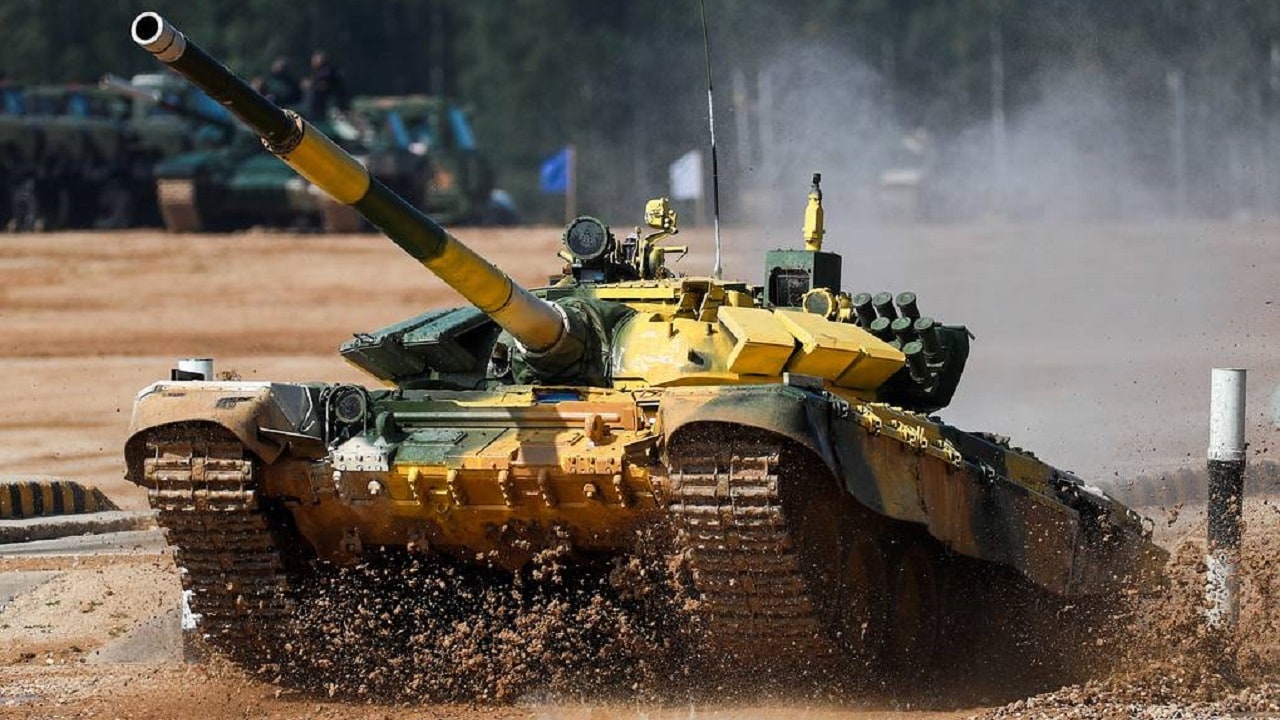
Russian T-72 tank. Image Credit: Creative Commons.
“Those one-time chances are now lost and yet, paradoxically, it is not too late to change the course of Belarus. But for this to happen the U.S. administration, while pursuing tactical gains with Lukashenko, should think strategically,” he continued.
“A peace-through-strength approach and coercive diplomacy could shift the country into a neutral status. We can anticipate a moment in this new Cold War when the Finlandization of Belarus could be negotiated, as a result of the exhausting arms race in which Moscow will find itself and, in conclusion, the West should not lose this third chance.”
Political-Military Theatre
Barring initiatives to push Belarus into a neutral status and separate it from Russia, joint Belarusian military action with Russia will present a persistent threat.
“For both Moscow and Minsk, Zapad 2025 was as much a political instrument as a military rehearsal,” reads a September 2025 report from the Royal United Service Institute. The joint alliance between the two nations provides political cover for almost any joint military activity between the two.
Open-source reporting revealed that during Zapad 2025, major training activities were relocated to the east and deeper into Belarus. This made observation of the exercises by NATO more difficult. It has also permitted Moscow to locate high-value assets and other formations in positions where their logistical requirements and security arrangements are more simple.
The briefing concludes that “Belarus must now be assessed as an operational component of Russia’s military posture in Europe.” As Army Recognition summarizes, “it functions simultaneously as a pre-positioning hub, a strike enabler, and a platform for forward nuclear signaling.”
“Together, these factors enhance Moscow’s ability to sustain multidirectional pressure on Ukraine while introducing a new layer of strategic uncertainty near NATO borders,” reads the Army Recognition report. “One that extends far beyond Belarus’s own national capabilities and directly impacts US and allied defense planning.”
With Russia engaged in a prolonged war, this mechanism is operationally useful: It reduces warning time, obscures intent, and maintains pressure on northern Ukraine, while also generating a persistent threat against Poland, Lithuania, and Latvia.
About the Author: Reuben F. Johnson
Reuben F. Johnson has thirty-six years of experience analyzing and reporting on foreign weapons systems, defense technologies, and international arms export policy. Johnson is the Director of Research at the Casimir Pulaski Foundation. He is also a survivor of the Russian invasion of Ukraine in February 2022. He worked for years in the American defense industry as a foreign technology analyst and later as a consultant for the U.S. Department of Defense, the Departments of the Navy and Air Force, and the governments of the United Kingdom and Australia. In 2022-2023, he won two awards in a row for his defense reporting. He holds a bachelor’s degree from DePauw University and a master’s degree from Miami University in Ohio, specializing in Soviet and Russian studies. He lives in Warsaw.