
Cameroonian historian Achille Mbembe introduced the idea of “necropolitics” to explain how some lives come to be treated as more expendable than others. This does not imply intent to kill, but rather the routine political acceptance that some people will be exposed to harm.
From this perspective, the Galvans’ deaths were shaped not only by heat, but by structural inequalities and gaps in policy and infrastructure.
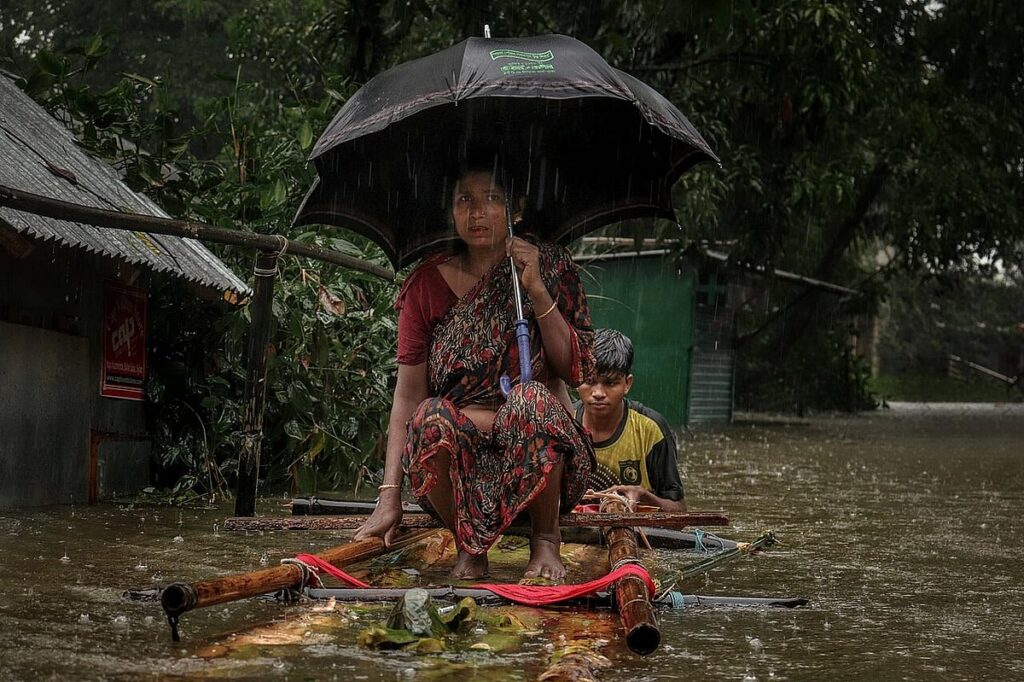
This logic is visible globally. In south Asia and the Middle East, heatwaves claim the lives of elderly people and outdoor workers. In sub-Saharan Africa, floods and droughts disproportionately affect subsistence farmers.
In the UK, air pollution is linked to roughly 30,000 deaths annually. People from ethnic minority and low-income communities are more likely to live in the most polluted areas. These deaths are not random. They follow recognisable social patterns.
Mbembe’s concept helps describe situations where political, economic or social arrangements leave some populations consistently exposed to harm. That includes climate-vulnerable communities, places where resources are being extracted through mining or areas where people are displaced from their homes. In the US, “Drill, baby, drill!” has re-emerged as shorthand for prioritising fossil fuel extraction over emissions reduction.
These political and economic choices create consistent patterns of vulnerability for environmental risks, from extreme heat to floods and air pollution. Structural neglect, not personal behaviour, underlies the distribution of harm.
Yet, vulnerability is not fate. Heat provides a clear example. With early warning systems, targeted outreach, and timely intervention, many such fatalities can be prevented. As epidemiologist Kristie Ebi notes: “Those deaths are preventable … people don’t need to die in the heat”.
The same is true across climate risks. Even with systemic neglect, deliberate and coordinated action can reduce risk. Connecting social, infrastructural, and institutional responses to climate hazards is a crucial step.