
Published on
February 5, 2026
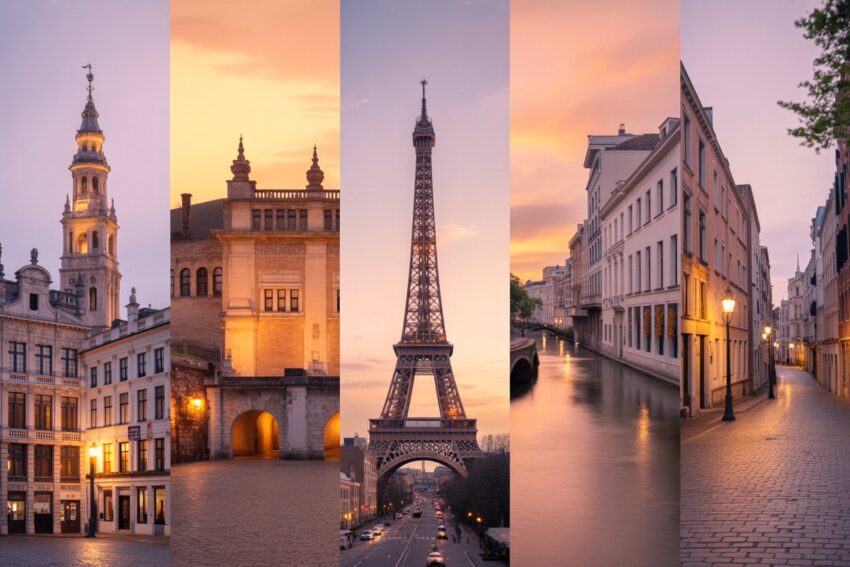
Starting in February 2026, Switzerland joins France, Spain, the UK, Austria, Slovenia, and other European countries in facing severe regional travel disruption due to the visa blackout that will affect Italy. This major disruption is caused by Italy’s temporary halt on processing visa applications, a critical issue for travelers who rely on Italian consulates to enter the Schengen Area. As a result, individuals planning multi-country itineraries involving Italy, including those traveling to neighboring countries like France and Spain, will be unable to secure visas if Italy is their main destination. With this freeze, many travelers now face delays in obtaining the necessary travel documents, leading to a ripple effect across Europe. The situation also affects transit travelers heading to Central Europe and those planning visits to Italy’s neighboring countries, creating additional complications for smooth travel.
Switzerland: The Alpine Corridor Bottleneck
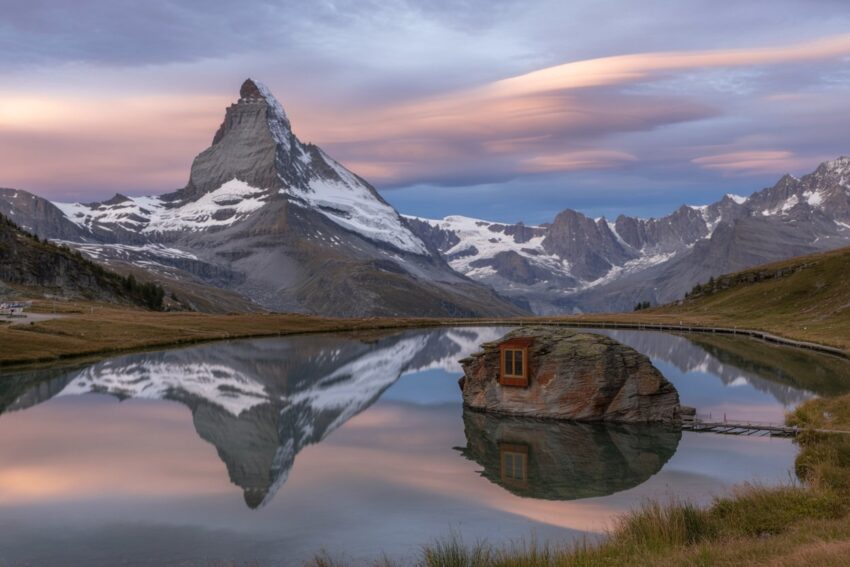
Switzerland, famed for its luxury resorts and Alpine vistas, is facing disruptions due to Italy’s visa blackout, especially for travelers arriving via Italy to reach the Swiss Alps. Italy serves as the primary entry point for many tourists coming from non-EU countries, such as Southeast Asia and the Gulf region, especially those taking Mediterranean cruises or Alpine train routes. With Italy’s consulates frozen during the blackout period, travelers planning to pass through Milan on their way to Swiss ski resorts or luxury hotels face major challenges.
Swiss tourism operators in ski regions like Zermatt and St. Moritz are already reporting cancellations from international tourists, particularly those from Southeast Asia and the Gulf. Without a visa issued by Italy, these travelers cannot enter the Schengen zone and therefore cannot reach Switzerland. Switzerland’s luxury tourism sector, which heavily depends on international clientele, is poised to lose revenue as travelers are forced to cancel or postpone their trips due to the inability to secure the necessary visas. Additionally, Swiss travel agencies are dealing with a wave of inquiries from confused tourists who had originally planned on arriving via Milan but are now faced with uncertainties.
- Impact: Ski resorts and luxury tourism in Switzerland suffer as travelers cannot access the country through Italy due to the visa blackout.
- Outcome: Swiss luxury resorts and operators are bracing for financial losses due to the halted influx of non-EU travelers.
France: The “Grand Tour” Disruption
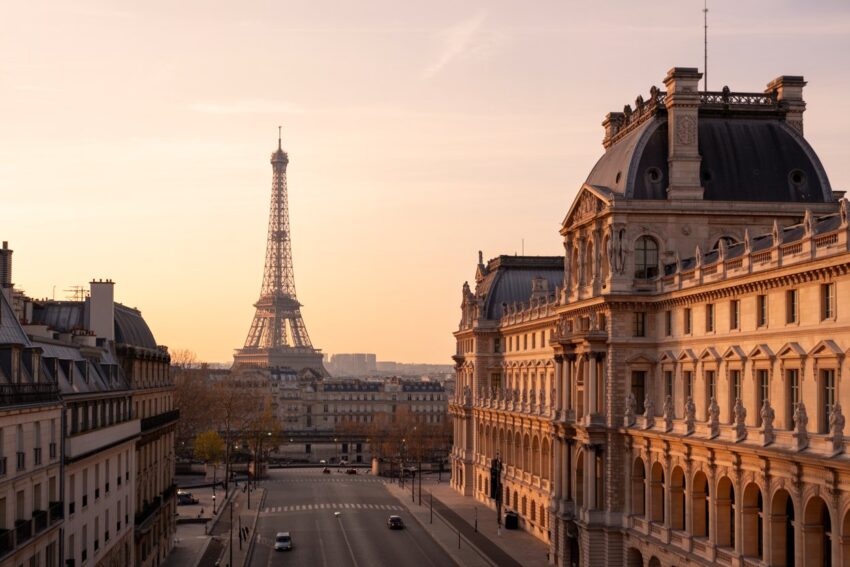
France is set to face significant disruption due to the Italy visa blackout between February 11–18, 2026. Under Schengen law, travelers must apply for a visa from the country where they will spend the most time. This means that if a traveler’s main destination is Italy, they cannot apply for a visa through French consulates even if their itinerary includes multiple countries like Italy, France, and Spain. As Italy is undergoing a total suspension of visa processing, travelers planning multi-stop itineraries involving Italy are at risk of facing visa delays or denials if their primary destination is Italy.
For tourists intending to spend 5 days in Rome, 3 days in Paris, and 2 days in Madrid, Italy remains the only country that can issue the visa, and with Italy’s consulates frozen, they won’t be able to apply through France or Spain as a workaround. This situation may cause a ripple effect across Europe, especially for tourists booked on multi-city trips. With travelers unable to bypass the Italian visa system and forced to delay or cancel their trips, France may see fewer travelers arriving from destinations like the U.S. or Southeast Asia, as they face the dilemma of how to adjust their plans.
- Impact: Multi-country travelers face delays as visa applications are frozen for Italy, affecting plans for cross-country travel within the Schengen Area.
- Outcome: A potential drop in arrivals to France due to the logistical difficulties of reshuffling itineraries.
Spain: Navigating the Multi-Country Visa Hurdle
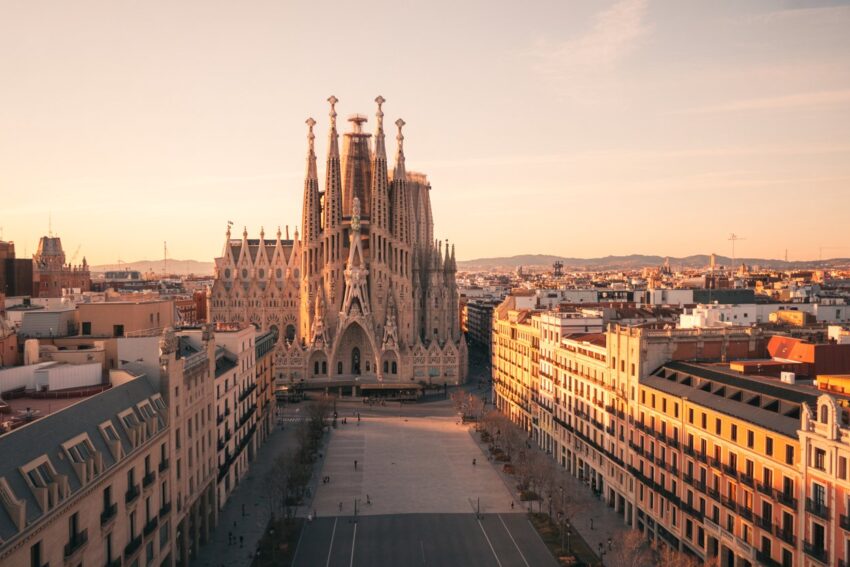
Spain is among the European countries most affected by the Italy visa blackout, especially for travelers planning a “Grand Tour” of Europe. Under Schengen visa rules, travelers must apply to the country where they will spend the most time, and with Italy’s visa process frozen, tourists looking to visit Spain and Italy as part of the same trip cannot apply for their visa through Spain’s consulates. This creates a significant bottleneck for travelers planning multi-country itineraries, particularly those traveling between Italy, Spain, and France.
Advertisement
Advertisement
For tourists intending to visit Italy for a few days, followed by Spain, the absence of Italian visa processing will cause a domino effect on their entire itinerary. They cannot switch to the Spanish consulate to bypass Italy’s closure—doing so would be considered “visa shopping,” which is not only illegal but also leads to rejection and potential long-term bans. Spain’s tourism sector, particularly in cities like Barcelona and Madrid, could face a reduction in incoming tourists during this period, as many international travelers are now scrambling to find alternatives or rethink their travel plans.
- Impact: Visitors planning itineraries with Italy, Spain, and other Schengen destinations will face a travel gridlock due to visa application limitations.
- Outcome: Spain may experience a temporary dip in tourist arrivals, especially those with multiple stops in their European journey.
United Kingdom: The Redirect to UK-Only Itineraries
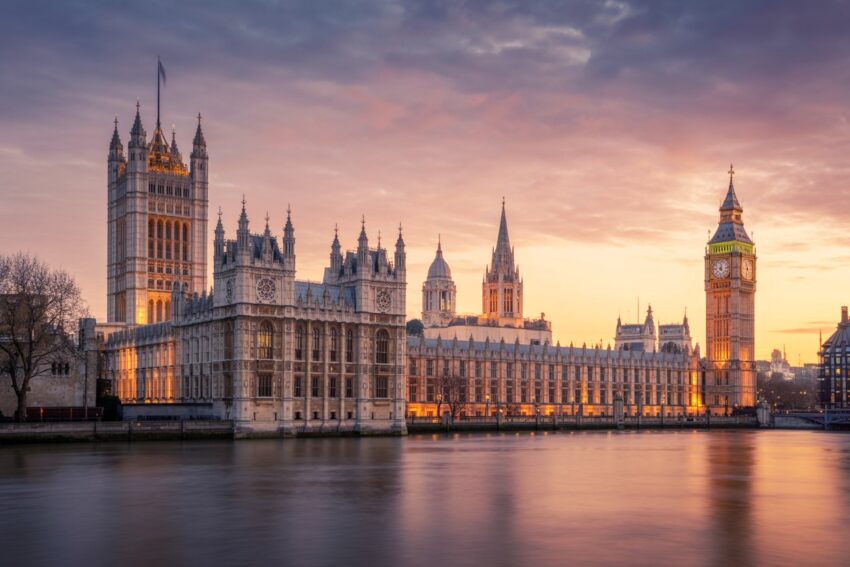
Although the UK is not part of the Schengen Area, the Italy visa blackout will have a ripple effect on its travel industry. London-based travel agents are seeing a surge in demand for last-minute UK-only itineraries as travelers abandon their original plans to visit Italy. With the inability to secure a visa for Italy during the blackout period, many travelers are seeking alternatives in the UK, which is seeing increased bookings for non-Schengen destinations.
Advertisement
Advertisement
The timing of the blackout is particularly problematic, as it coincides with the UK’s upcoming introduction of the Electronic Travel Authorisation (ETA), which becomes mandatory for non-European travelers on February 25, 2026. This creates confusion for global travelers, as they must navigate two separate, complex visa systems within a short timeframe. The UK tourism sector, particularly in London, may experience a temporary increase in bookings, but this demand could come with its own set of challenges as travelers adjust to the new travel rules and limited availability during peak times.
- Impact: Surge in UK-only bookings as travelers divert from Italian-bound trips due to the blackout.
- Outcome: Increased demand for UK itineraries, but also potential confusion over new ETA requirements.
Austria: The Central European Bottleneck

Austria, a key transit country for travelers moving between Italy and Central Europe, is facing disruptions due to the Italy visa blackout. Many travelers enter the Schengen zone via Italy before continuing to Austria to explore Vienna, Salzburg, or the scenic Alpine regions. With Italy’s consular services frozen, those wishing to enter Austria directly from Italy or via Milan will experience delays in obtaining the necessary visas.
Tour operators and businesses in Austria, especially those in the travel and hospitality sectors that rely on tourists from non-EU countries, are already seeing cancellations for bookings planned during the blackout period. As a significant hub for travelers visiting Central Europe, Austria could see a backlog of applications as travelers attempt to reroute their travel plans and apply for visas through neighboring consulates like Germany. Austria’s economy, which heavily relies on tourism, may experience some short-term economic strain as a result of these travel disruptions, particularly in cities that are part of larger European tour circuits.
Additionally, with a surge in travel rerouting, Austrian consulates may experience a temporary spike in appointment requests, leading to longer wait times for travelers seeking alternatives.
- Impact: Austrian tourism faces a bottleneck as travelers entering from Italy face visa delays and cancellations.
- Outcome: The tourism industry could suffer temporary losses in bookings, especially in popular destinations like Vienna and Salzburg.
Slovenia: The Regional Tour Freeze
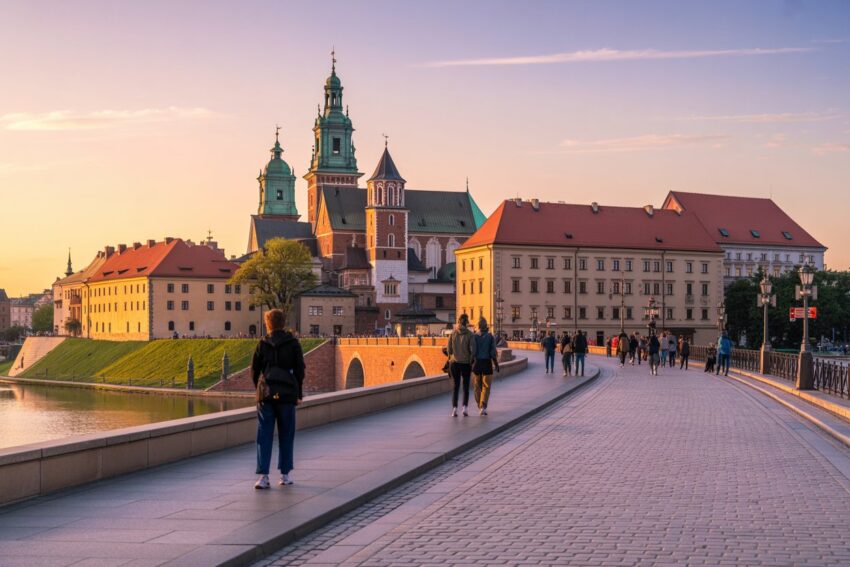
Slovenia, a neighboring country to Italy, faces unique challenges during the Italy visa blackout. Slovenia is a popular destination for tourists visiting from Italy, particularly for travelers looking to visit Venice and then head to Ljubljana. However, with Italy’s consular services suspended, travelers who have planned itineraries that include both cities face delays in obtaining the necessary visas. Regional tour operators, who sell travel packages from Venice to Ljubljana, are experiencing a complete freeze in bookings during the blackout period.
Moreover, Slovenia’s consulates have been warned to prepare for an increase in fraudulent visa applications from travelers attempting to bypass the Italian system. The “workaround” of applying for a visa through a different Schengen country to enter Italy legally is strictly prohibited under Schengen regulations and could result in rejections or long-term bans. Slovenia’s tourism industry could see a temporary drop in visitors as those seeking to visit Italy and Slovenia in one trip are forced to adjust their plans or cancel.
- Impact: Tour operators selling Venice-to-Ljubljana packages experience a freeze, and the country faces an influx of fraudulent applications.
- Outcome: A temporary slowdown in Slovenia’s regional tourism flow, particularly from Italian-bound travelers.
Impact of the Italy Visa Blackout (Feb 2026)
The Italy Visa Blackout in February 2026, due to a major internal system upgrade, has widespread implications for travelers planning multi-country European trips. Italy’s visa services are entirely suspended during this period, creating a critical disruption for tourists, students, and workers who rely on Italian consulates to process their visa applications. This blackout severely affects Italy-bound travelers, and those intending to visit neighboring countries such as France, Spain, Switzerland, and others in the Schengen Area face delays as well.
Countries like Vatican City and San Marino, which can only be accessed via Italy, are also significantly impacted, leaving travelers unable to enter these states without an Italian visa. The situation creates a bottleneck for anyone planning multi-country itineraries within the Schengen Zone, with further complications for transit travelers heading to Central Europe. Although non-Schengen countries like the UK and Ireland are unaffected, the indirect backlog caused by travelers trying to reapply through other consulates could lead to long delays for many visitors.
Starting in February 2026, Switzerland joins France, Spain, the UK, Austria, Slovenia, and other countries in facing severe regional travel disruption due to Italy’s visa blackout, affecting multi-country travel.
Conclusion
Switzerland joins France, Spain, the UK, Austria, Slovenia, and other European countries in facing severe regional travel disruption due to Italy’s visa blackout. This pause in visa processing has created significant challenges for travelers, especially those planning multi-country itineraries within the Schengen Area. The disruption stems from the halt in Italy’s consular services, affecting travelers who intended to visit Italy as their primary destination but were also planning to continue to neighboring countries. This issue has caused delays and complications for both tourism and business travel across Europe. As the blackout continues, affected countries are grappling with the consequences of the visa freeze, which has impacted travel schedules and created uncertainty for visitors.
