
LOLLAND, Denmark — While many Danes are formally affiliated with the national Lutheran Church (Folkekirken), actual religious belief and practice are much lower. According to the most recent study, only about 35% of Danes affirm belief in God.
Despite the gloomy statistic, some remain steadfast in their faith.
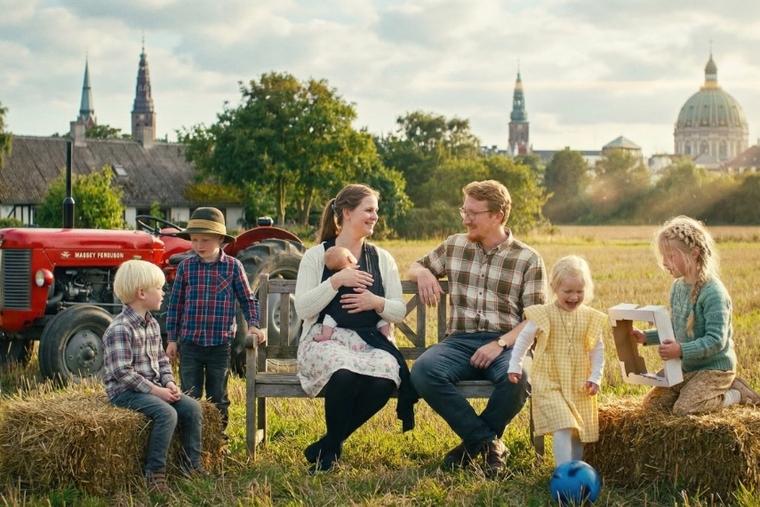
In recent years, several traditional Lutheran and Catholic families have come together in a small rural community, where they — despite their theological differences — have found more common ground with each other than with modern society.
In The Remnant: The Last Christians of Denmark, American filmmaker Matthew Eng set out to explore the lives, hopes and challenges of these traditional Christian families.
“There’s already so much media on the crises and scandals of our age, so much focus on what is breaking and what doesn’t work,” Eng told the Register. “But I was craving to see an example of what does work, of what a positive vision for Christian life is that addresses the pitfalls of our modern way of life.”
“Based on the response so far,” he added, “it seems I’m not alone in that desire.”
Eng shared how he one day came across a Twitter thread by Lutheran Mikkel Søtbæk, who argued that “old Norse faith and mythology diverged less from Christian truth than did other religions across history.” Captivated by these ideas, he reached out to Søtbæk, and after a year of conversation and travel, Eng realized there was another story to be told.
“Speaking for myself,” Eng, who has roots in Scandinavia, continued, “I don’t believe God is done with the north, that we are destined to pass out of the light forever. I believe there is still more to our story.”
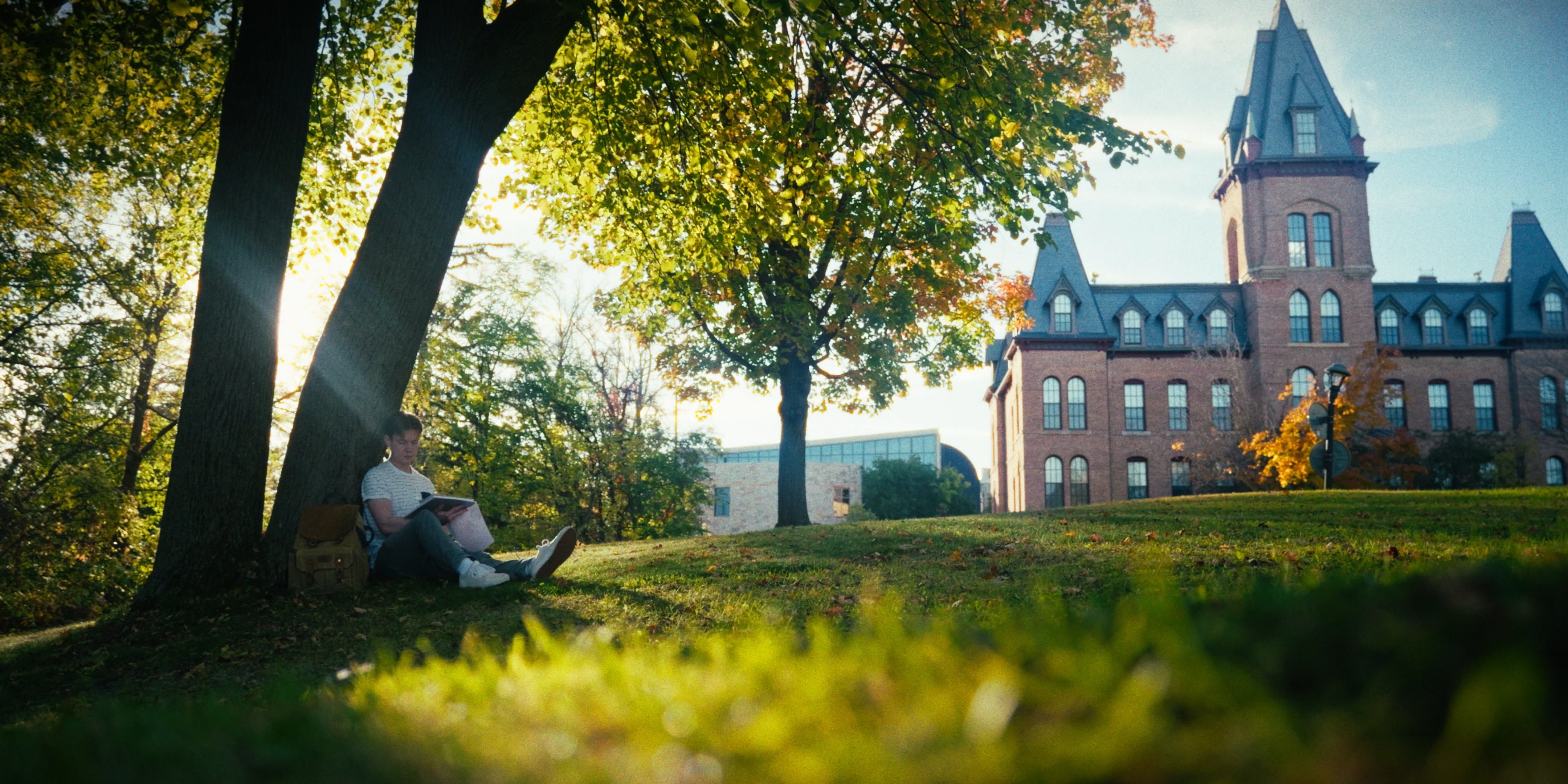 Filmmaker Matthew Eng in Denmark(Photo: Courtesy of Matthew Eng )
United by Traditional Values
The documentary tells the story of five families — three Lutheran and two Catholic — who have relocated from the city to the island of Lolland, the fourth-largest island of Denmark with a population of 57,618 inhabitants.
Mikkel Søtbæk, 30, a father of five, was the first to make the move with his family.
“Growing up as a millennial in Denmark, it’s hard not to feel a bit alienated by the mainstream culture,” Søtbæk, who works part time as a catechist for a Lutheran mission society and part time as a farmer, told the Register. He explained that “traditional circles of community have broken down” through urbanization, secularism and mass immigration.
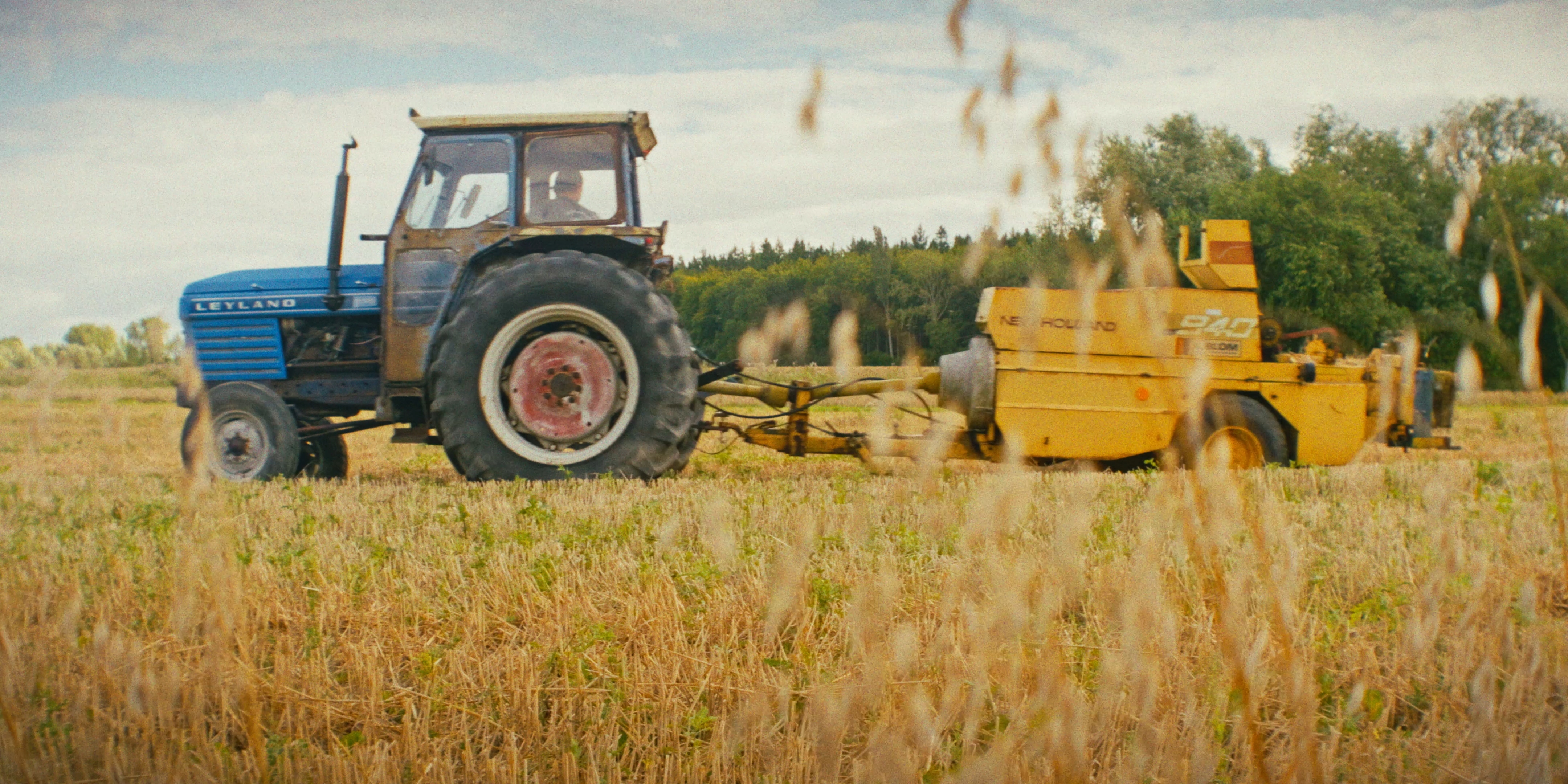 Mikkel Søtbæk works on his farm.(Photo: Courtesy of Matthew Eng)
Commenting on the religious landscape in Denmark, Søtbæk explained that “a lot of young Danes long for a sense of identity and belonging and a sense of purpose and meaning” — a longing that was also shared by the five families on Lolland, all of whom are converts to Christianity, except for one father.
“A lot of people find it hard to live in big cities and to integrate Christian values” into their daily lives, Søtbæk shared. As a result, the community grew “organically.” One by one, families they knew — or who had heard of them — decided to move to Lolland as well.
“It’s a leap of faith, really,” the father of five argued, “because you have to trust in the project; you have to believe in the idea to make that decision. And that is quite difficult because a lot of people our age have difficulties with commitment. They want to talk about it, but they don’t really want to do anything about it and commit to it.”
But on the other hand, Søtbæk shared, “the amount of benefits and blessings is absolutely incredible.”
Despite their “confessional divide,” Søtbæk explained that both the Lutheran and Catholic families “all share the same traditional values and approach to Christianity” and thus “stand closer to each other in almost all practical regards,” including their family values.
“The great sorrow, of course, is that we can’t go to church together. We can’t kneel together and receive the Eucharist together,” Søtbæk lamented, “and that is a major wound in our relationship. But still, there is so much that unites us.”
With God at the Center
Catholic father of three, Erik — which is a pseudonym, requested for privacy reasons — confirmed that the families share “more similarities than differences when it comes to how [they] live in [their] everyday lives.”
“God is always the focus of the lives of our families,” he told the Register. “We agree on gender roles, how a family should be structured, values and so on and so forth.”
Erik and his wife moved to Lolland from Copenhagen while they were expecting their third child because they “were able to buy a house with a huge garden for a very reasonable price” and because, as Catholics, Lolland appealed to them “since there are several churches and a convent” on the island.
“The island has a strong Catholic history, both before the Reformation and also later with the waves of immigrants from Poland,” Erik noted.
Erik explained that he and his wife already knew Søtbæk and his family, as well as one of the other fathers — adding that, while they didn’t know anyone else, “it was enough” for them.
“Lolland, for us, seemed to be a perfect place for us to live a traditional lifestyle where we could afford to live on one income, while also connecting with others with similar values — so not a difficult decision at all for us, really.”
From shared dinners and playful afternoons for the children to occasional special events and festive celebrations, the families often come together in ways that strengthen bonds and their Christian faith.
“I do think we inspire each other just by the way we live,” Erik added. “We see each other’s families, and that in itself is an inspiration.”
A Millennial ‘Benedict Option’
Addressing the potential criticism some might have that the families are “making a little bubble and retreating from the world,” Søtbæk argued that, rather, what they are doing is “creating this safe little garden where [they] can be at rest, thrive, grow and be at home.”
“And that,” he added, “creates a much more durable and much more sustainable Christian life, before we can go out with energy and be a witness to the surrounding world.”
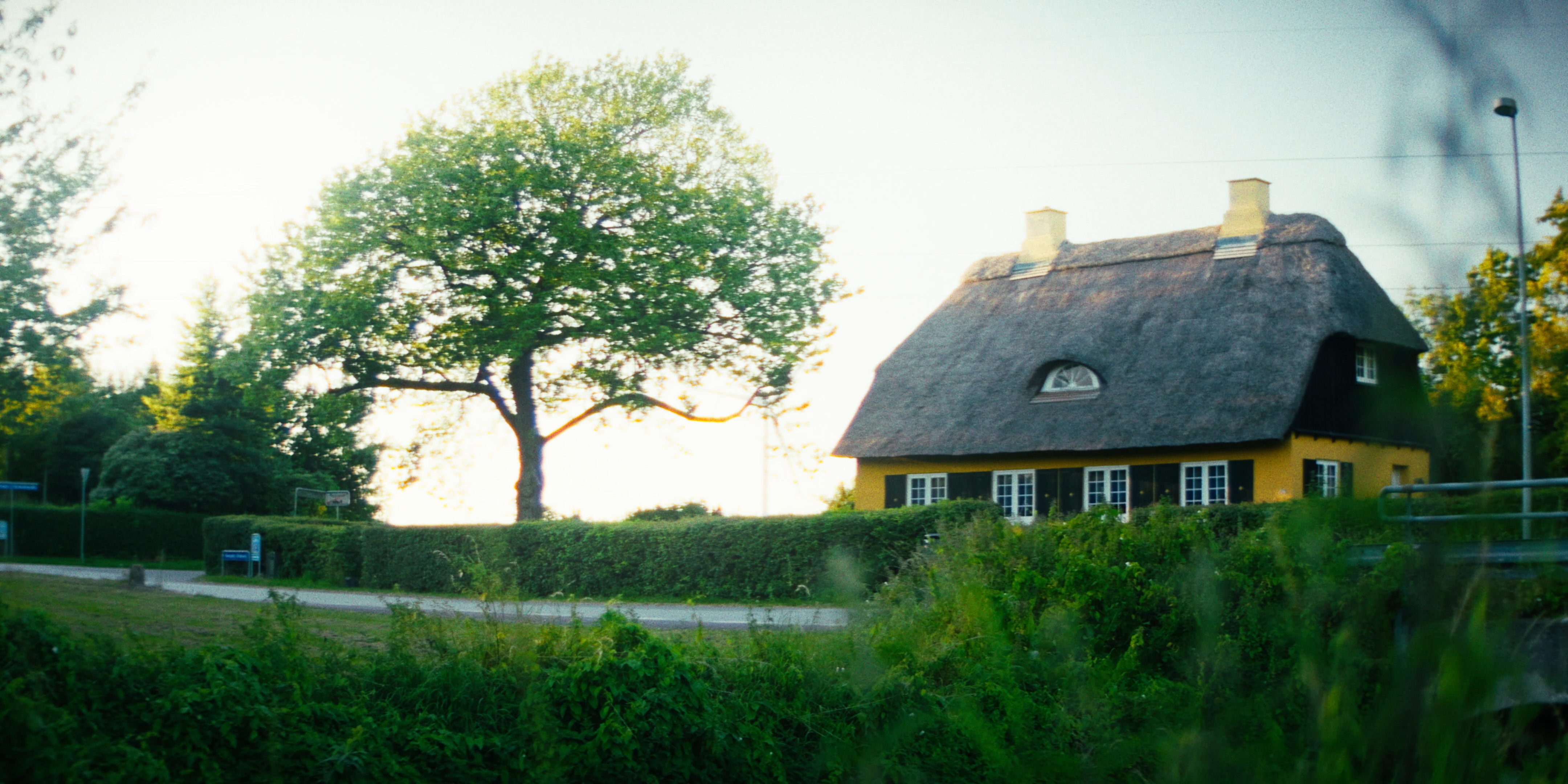 Lolland is full of beautiful countryside.(Photo: Courtesy of Matthew Eng)
“What many Christians have a habit of forgetting or under-prioritizing is that you really need a very strong base or foundation before you can go out and ‘missionize’ in the world,” he explained, adding that “it can be very exhausting as a Christian” in modern society where one “always has to take a stance and defend their views.”
Rod Dreher, a commentator who popularized the idea of the “Benedict Option,” has described the Danish community as a “millennial Benedict Option.”
In his New York Times bestseller The Benedict Option: A Strategy for Christians in a Post-Christian Nation, the American author argues for the formation of virtuous Christian communities in response to an increasingly secular culture.
The idea, Søtbæk explained, is based on the early Christians who, after the fall of the Roman Empire and spreading of heresies, “retreated to close-knit communities where they kept the flame of the faith alive and where Christianity could actually thrive and flourish” until “the ground became more fertile for Christianity again and could more easily spread.”
“If Christianity becomes too thinly spread out,” Søtbæk argued, “it will fail to be robust enough to survive under the strain of the modern world, and it will simply slowly die out.”
Once more emphasizing the need to “always be in dialogue with others, have non-Christian friends, and go out in the world” to spread the Good News, Søtbæk concluded: “If we want a sustainable, robust Christianity, we need those strong communities.”
By doing it themselves, Søtbæk explained, he hopes to inspire others: “This isn’t just a fantasy,” he said. “It is a real possibility and an opportunity worth pursuing.”
“To me,” Erik added, “being Danish is returning to our Catholic roots.”