
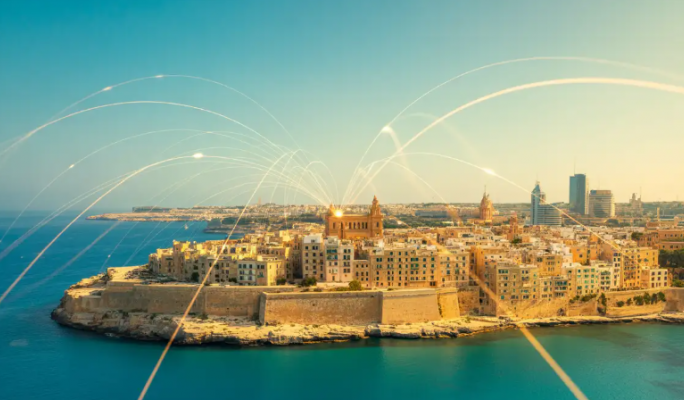
Malta’s journey from a sleepy Mediterranean island to Europe’s undisputed online gaming powerhouse reads like an economic fairytale. But behind the headlines about billion-euro revenues and thousands of jobs lies a more pressing question for everyday Maltese citizens: can we keep what we’ve built?
As island nations from the Caribbean to the North Atlantic scramble to replicate Malta’s success, the stakes have never been higher. The gaming industry now contributes over €1.2 billion annually to Malta’s economy: money that flows into public services, infrastructure, and the pockets of ordinary citizens through employment and reduced tax burdens. Understanding how we got here, and what threatens our position matters to everyone who calls Malta home.
The accidental Empire
Twenty years ago, Malta took a gamble that seemed modest at the time. The Lotteries and Gaming Authority began licensing online casinos in 2004, positioning the island as a regulated, reputable alternative to shadowy offshore operations. What started as a trickle became a flood.
Today, Malta hosts over 300 licensed gaming companies employing more than 12,000 people in a nation of just half a million. Your neighbor who “works in tech” might be coding slot machines. The café owner’s daughter might be managing customer support for a poker platform. The gaming industry has woven itself into Malta’s economic fabric so thoroughly that its success or failure affects nearly every household.
But Malta didn’t stumble into this position by accident. A combination of strategic decisions, geographic advantages, and perfect timing created the conditions for dominance.
Why islands make perfect gaming hubs
The online casino industry gravitates toward island jurisdictions for reasons that go beyond picturesque coastlines. Small island nations offer distinct advantages that larger countries cannot match: nimble regulatory frameworks, tax incentives that can be adjusted quickly, and governments small enough to understand and respond to industry needs in real-time.
Malta pioneered this model, but we’re no longer alone. According to OCI, Iceland’s online casino market has growing interest over the past three years, with both players and casino operators increasingly drawn to Iceland-friendly platforms. Cyprus has revamped its gaming laws to attract Mediterranean operators. Caribbean islands like Curaçao and Antigua have long competed in this space, while Gibraltar and the Isle of Man represent formidable British alternatives.
Each jurisdiction offers something different—lower tax rates, looser regulations, access to specific markets—but they’re all chasing the formula Malta perfected: become the trusted name in online gaming licensing.
What Malta got right (that others are copying)
Malta’s success rests on three pillars that competitors now desperately try to replicate.
Regulatory credibility The Malta Gaming Authority established a gold-standard reputation for thorough vetting, player protection, and anti-money laundering compliance. When a casino displays the MGA seal, players worldwide trust it. This credibility took decades to build, and it remains Malta’s most valuable asset—one that newer jurisdictions struggle to match overnight.
European Union membership. Unlike Caribbean or Pacific alternatives, Malta operates within the EU framework. This provides legal clarity, passport rights for employees, and reassurance for both operators and players. While Brexit pushed some companies to relocate from Gibraltar to Malta, our EU status remains a competitive moat that island rivals outside Europe cannot cross.
Infrastructure and talent Malta invested heavily in digital infrastructure, English-language education, and creating a lifestyle attractive to international tech workers. The island became a genuine hub rather than just a licensing address. Walking through Sliema or St. Julian’s, you’ll hear a dozen languages—evidence of the global workforce Malta attracted and retained.
The money behind your morning coffee
For the average Maltese citizen, the gaming industry’s impact shows up in unexpected places. Gaming companies pay millions in licensing fees and taxes that fund public services. The 12,000 direct jobs multiply across the economy—lawyers, accountants, restaurants, and service providers all benefit. Even if you’ve never placed a bet, you’ve likely benefited through better-funded schools, improved roads, or economic vitality that keeps young Maltese from emigrating.
The competitive threat nobody talks about
Malta’s advantages from 2010 are now common knowledge, with rival islands executing similar strategies. Some offer lower tax rates—15 percent versus Malta’s effective rate. Others promise faster licensing. Nordic countries increasingly favor Iceland-licensed platforms, while Mediterranean operators eye Cyprus. The gaming industry’s mobility means operators can relocate licensing with relative ease compared to traditional industries.
Malta’s defensive moat
Despite competition, Malta retains significant advantages. Twenty years of consistent regulation means the industry looks to Malta for guidance on emerging challenges like cryptocurrency gaming and NFT casinos. Network effects strengthen Malta’s position—with hundreds of gaming companies here, an entire ecosystem of specialised service providers exists. Need a gaming lawyer? Malta has dozens. This clustering makes Malta self-reinforcing. EU membership provides legitimacy and legal clarity that most island competitors cannot offer.
What everyday maltese can do
The gaming industry’s future isn’t predetermined—public support matters. Supporting sensible gaming regulation (strict enough to maintain credibility, flexible enough to remain competitive) serves Malta’s economic interests. The industry needs a social license to operate. Understanding that this isn’t about encouraging local gambling but providing services to international markets while capturing economic value helps maintain the political consensus that allowed the industry to flourish.
The road ahead
Malta’s transformation represents one of Europe’s most successful economic repositioning stories. But other islands want what Malta has, offering incentives and improving regulations. The competition is intensifying now.
Malta’s advantage lies in continuing to innovate. Emerging technologies like virtual reality casinos and blockchain-based gaming represent the next frontier. The jurisdiction that leads in regulating these innovations will dominate the 2030s.
For everyday Maltese citizens, the gaming industry supports our schools, hospitals, and quality of life. Maintaining that foundation requires understanding its value and supporting policies that protect it. Malta wrote this story once. The question now is whether we can write the sequel.