
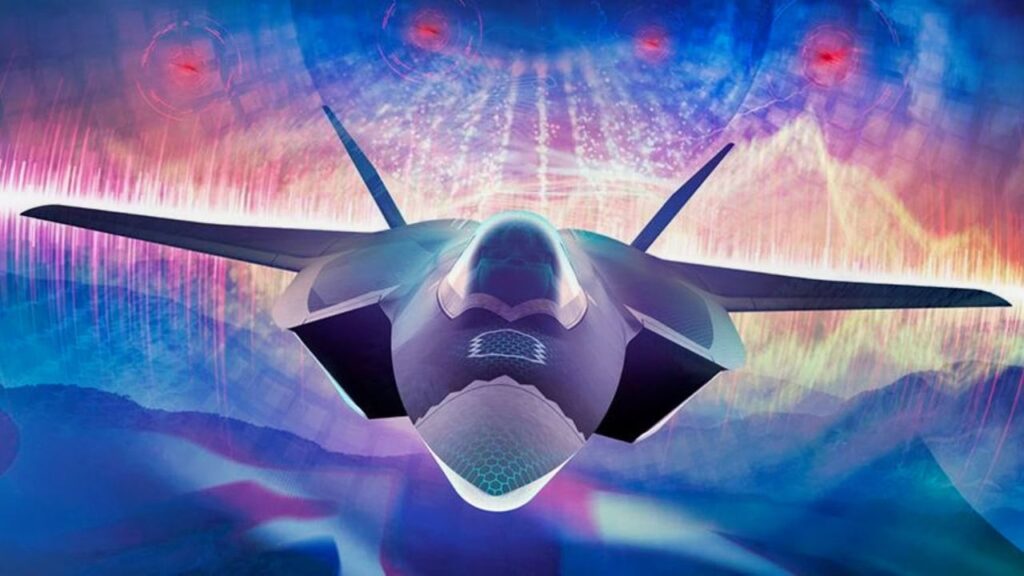
Summary and Key Points: As of February 2026, Europe’s air defense strategy is splitting into two distinct camps. The UK-Italy-Japan GCAP program has consolidated its industrial lead with the formation of the Edgewing venture, targeting a 2035 service date.
-Meanwhile, the rival FCAS project between France and Germany is in a “fatal tailspin” due to persistent workshare disputes between Airbus and Dassault.
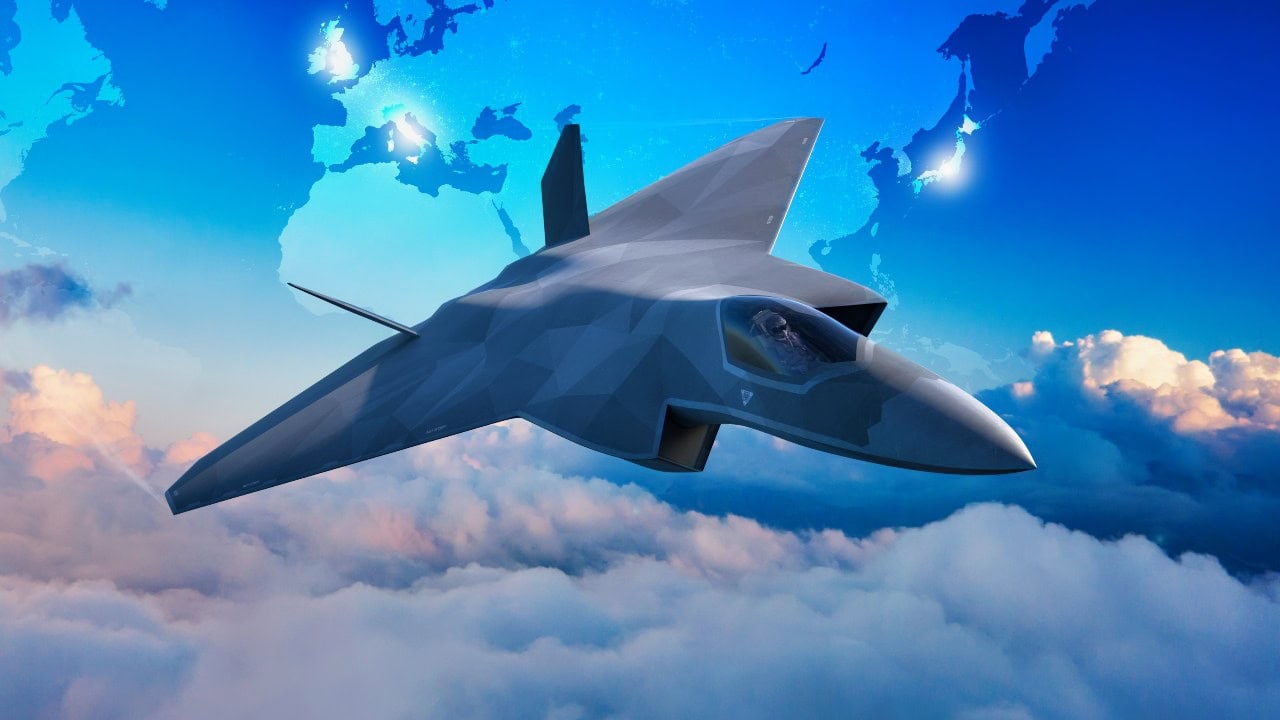
GCAP. Image Credit: Industry Handout.
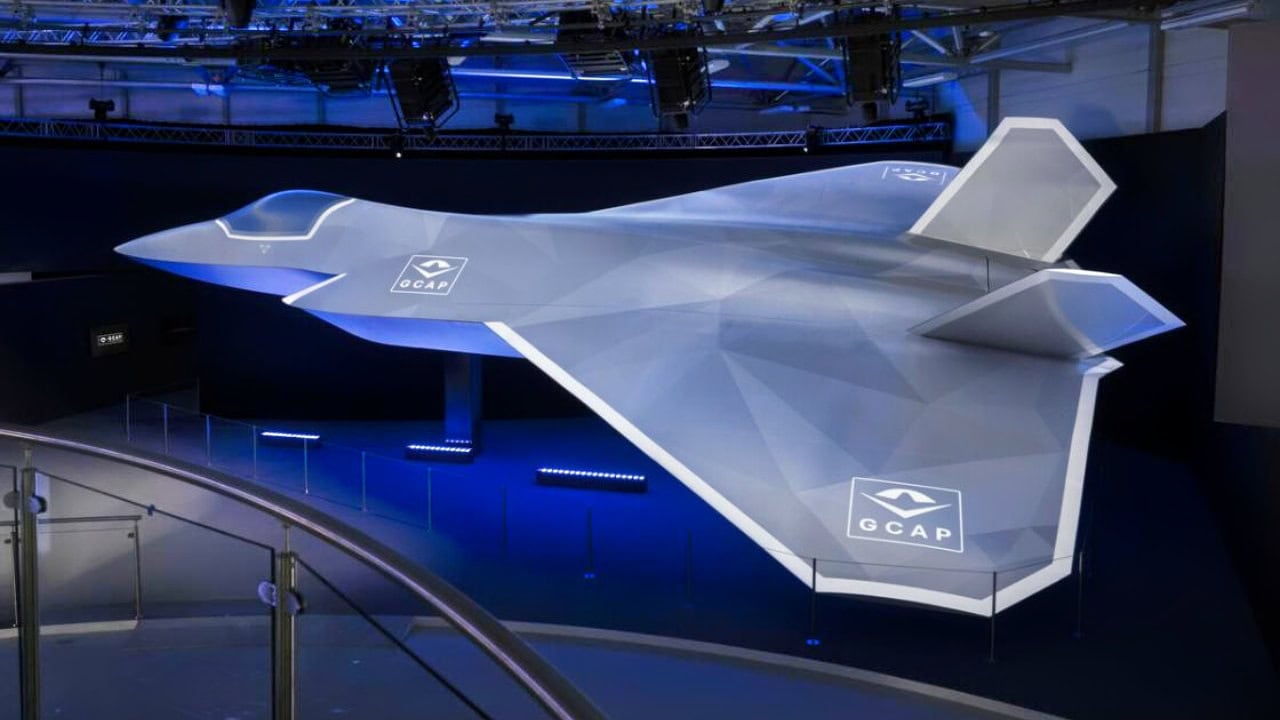
GCAP 6th Generation Fighter
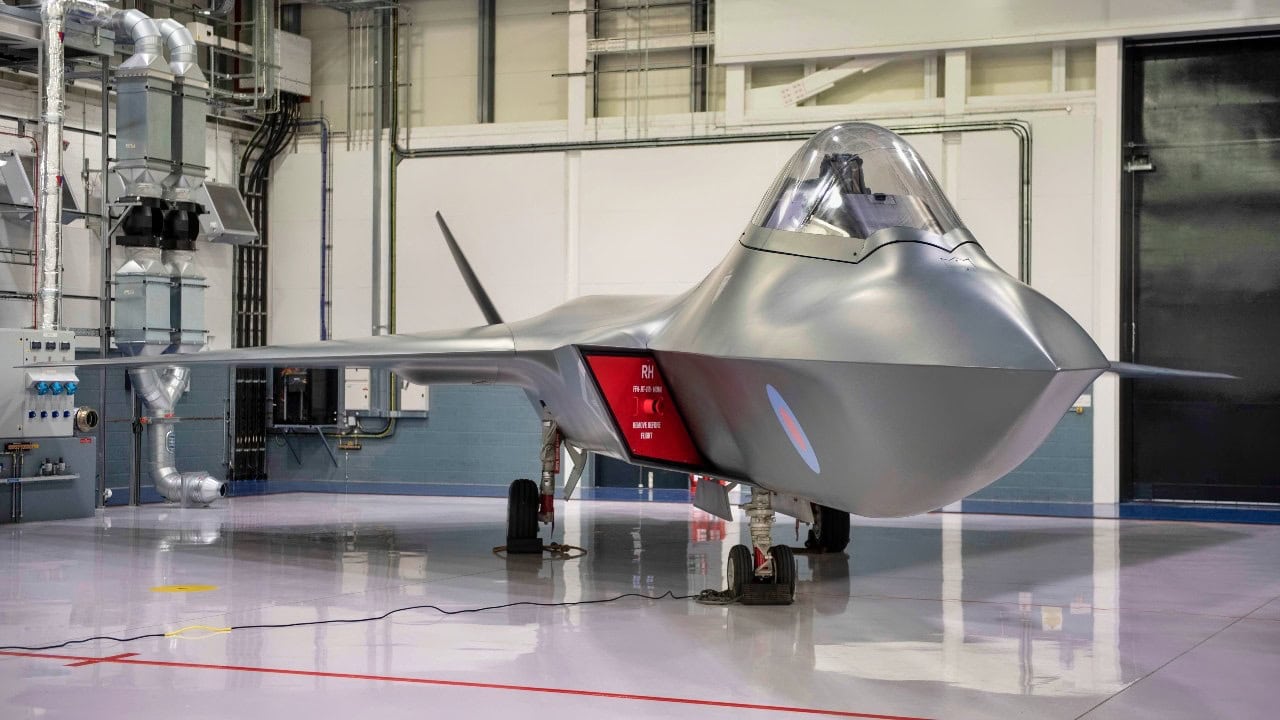
Image of the UK’s concept model for the next generation jet fighter “Tempest”, which was unveiled by Defence Secretary, at Farnborough International Air Show back in 2018.
-With U.S. interest shifting toward the newly built F-47 NGAD, European nations face a high-stakes choice: double down on American stealth or join the stable GCAP consortium to ensure their 6th-generation survival.
Beyond the F-35: The Secret 2026 Race to Build the World’s First 6th-Gen Fighter
The integration of the F-35 into air forces across Europe hints at two future trajectories.
In one, the F-35 will operate as the leading European NATO fighter for years. In the other, Europe’s efforts to engineer a sixth-generation fighter take priority. These questions are further complicated by the potential foreign sale of the developing sixth-generation F-47.
Europe is hedging its defense bets by balancing continued F-35 purchases with robust investment in autonomous European fighter programs, as well as sustained production of existing jets. The F-35 remains central to many European air forces.
Italy, for example, plans to field more than 115 F-35s alongside its Eurofighter fleet, reflecting its prioritization of interoperability with NATO allies.
Global Combat Air Programme or GCAP
One of the most ambitious European aerospace projects is the Global Combat Air Programme (GCAP), a collaboration primarily among the United Kingdom, Italy, and Japan aimed at developing a sixth-generation combat aircraft. The GCAP is envisioned to begin replacing the Eurofighter Typhoon and other legacy jets by around 2035.
The GCAP’s objectives illustrate Europe’s long-term ambition to step out from under the shadow of American aerospace dominance.
Europe can hope that by building a new, cutting-edge platform within a European-Japanese consortium, the countries can develop strong sovereign capabilities that don’t depend on U.S. export schedules or geopolitical changes.
GCAP is conceptually Europe’s—and Japan’s—answer to U.S. programs such as the F-35 and the U.S. Air Force’s future Next Generation Air Dominance, which will produce the F-47 at the center of a family of systems.
However, GCAP is not intended to immediately displace the F-35; rather, it complements it over the long term by providing European states an alternative path to advanced air capability.
Future Air Combat System
While GCAP is gaining momentum, another major European fighter initiative has encountered significant challenges: the Future Combat Air System (FCAS).
This Franco-German-Spanish project is intended to develop a sixth-generation combat system to replace Rafale and Eurofighter fleets around 2040–45.
The idea behind FCAS is to create not just a fighter aircraft, but an integrated system of systems that consists of a new-generation fighter, unmanned systems, and an advanced, networked combat-cloud capability.
Despite high ambitions, FCAS has been plagued by governance and workload disputes between Airbus and Dassault Aviation, particularly over industrial leadership and intellectual property control.
These tensions have at times stalled progress, delayed decisions, and even led to discussions about focusing on other elements such as the combat cloud, rather than the aircraft itself. Yet FCAS is still a symbol of possible European defense autonomy—an attempt to create a fully indigenous next-generation aircraft without heavy dependence on U.S. systems.
European 4th-Gen: Typhoon & Dassault
Europe is continuing to build and export fourth- and 4.5-generation platforms such as the Eurofighter Typhoon and Dassault Rafale.
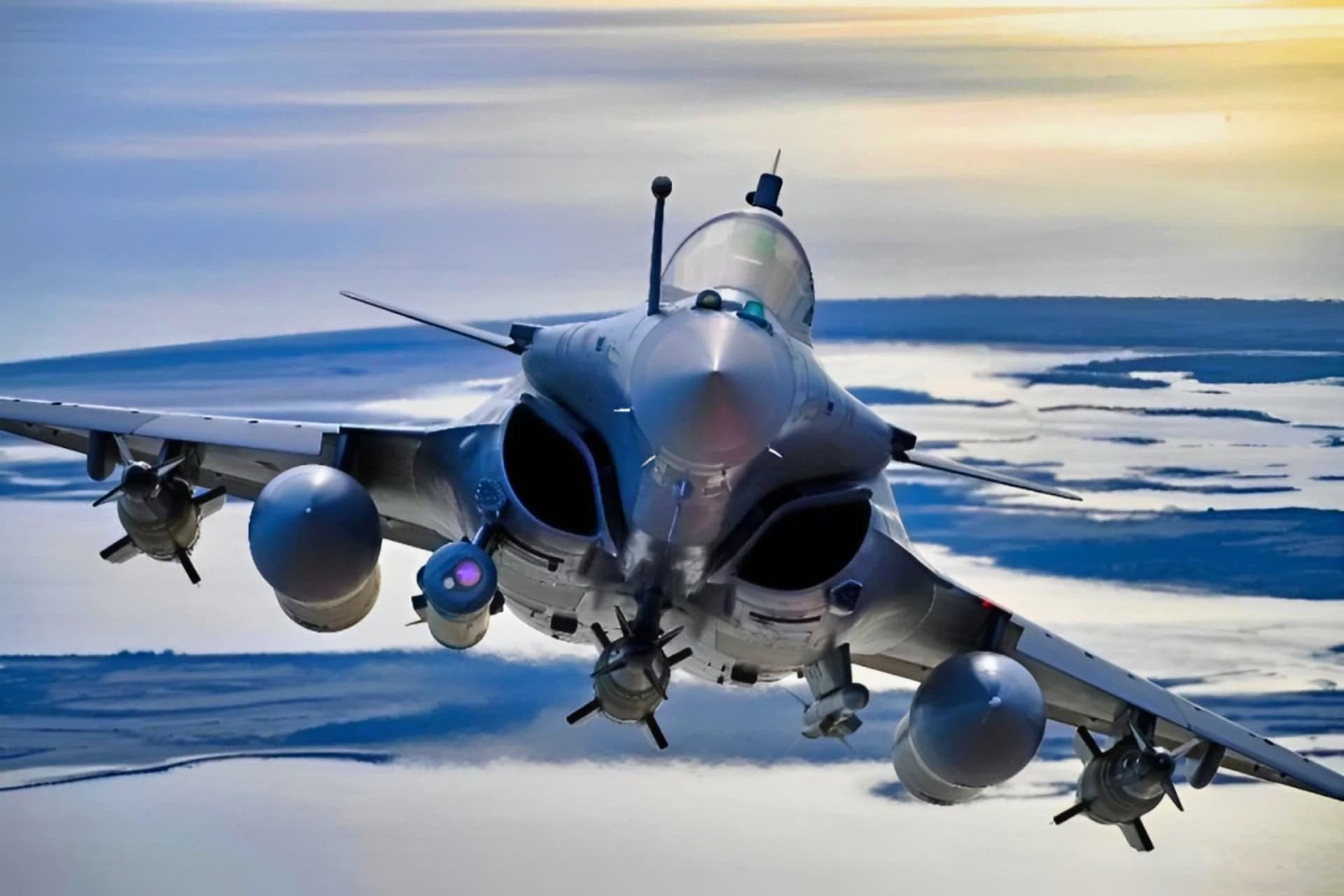
Dassault Rafale Fighter. Image Credit: Creative Commons.
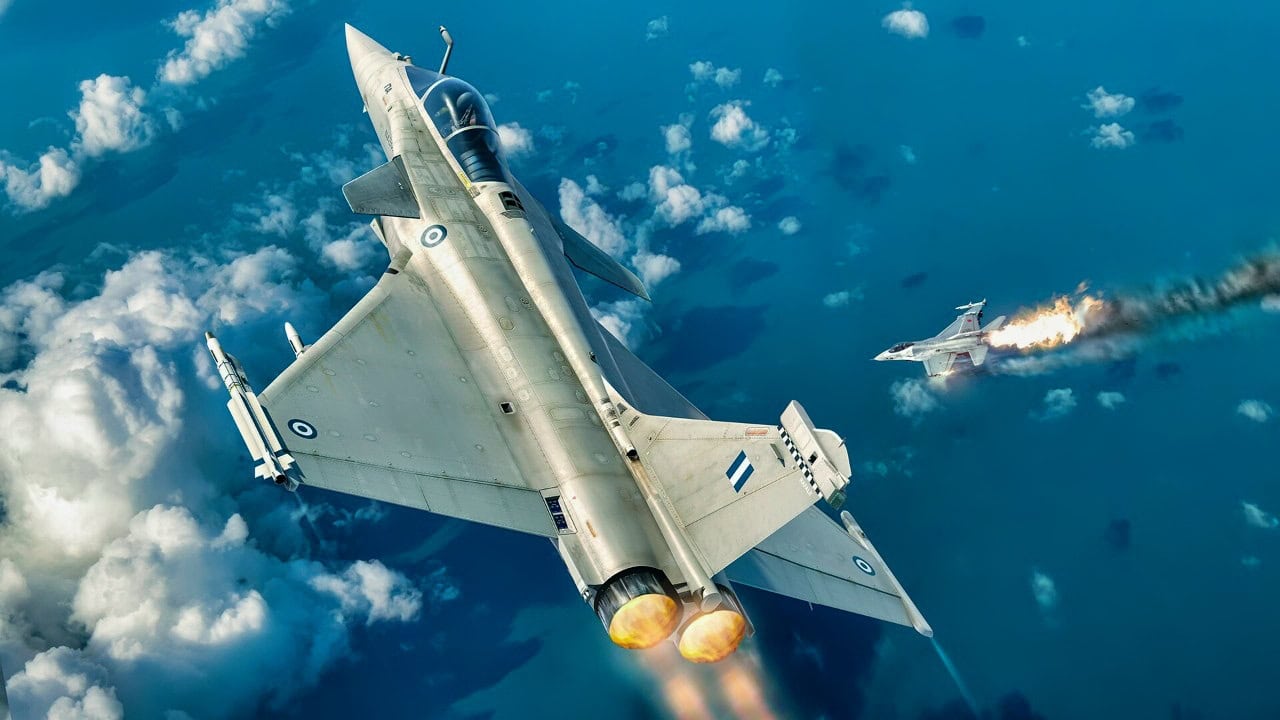
Dassault Rafale Fighter. Artist Created Image/Creative Commons.
In the case of the Typhoon, orders from consortium members such as Germany, Spain, Italy, and other export customers ensure production continues well into the 2030s.
Planned modernization programs such as radar upgrades and avionics enhancements keep the design relevant in modern air combat.
France continues to expand its own Rafale orders while the platform enjoys strong export demand.
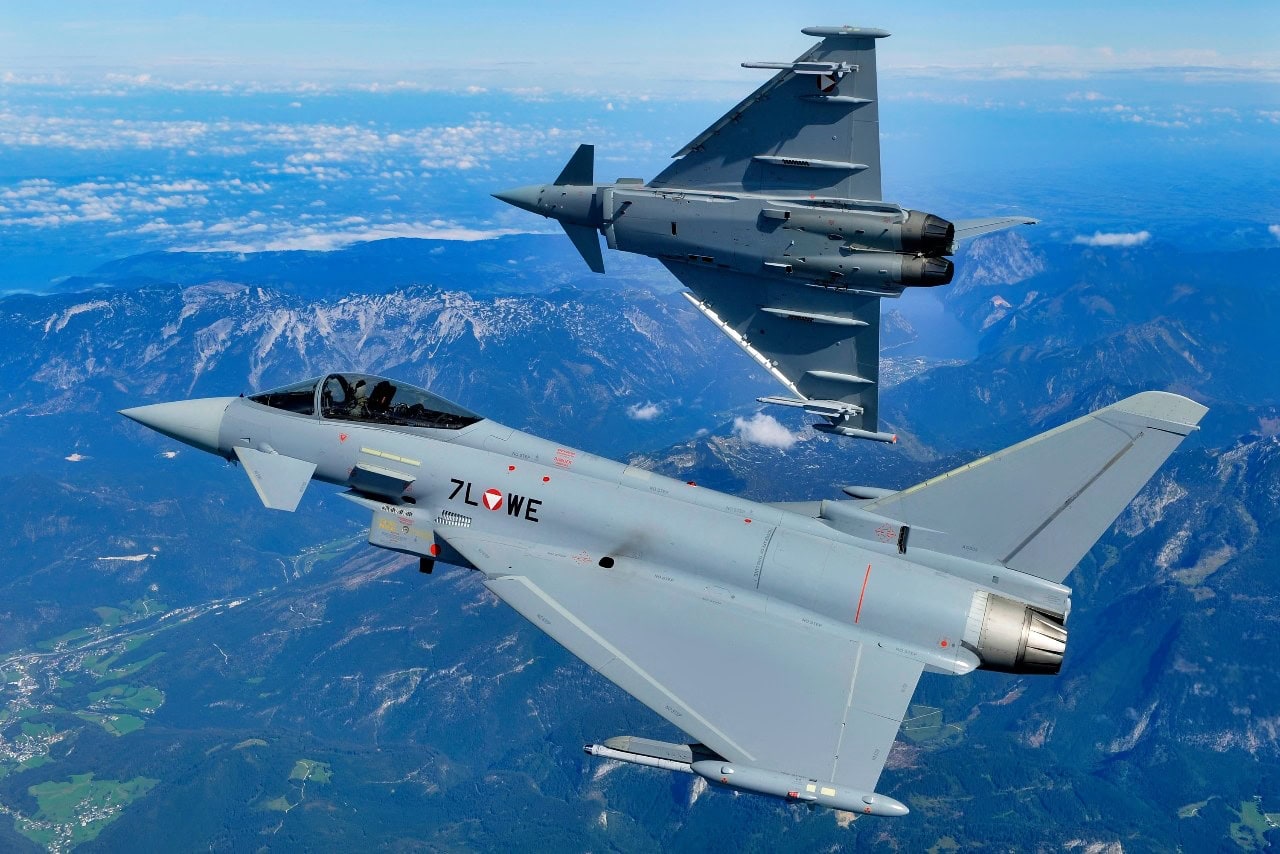
Eurofighter Typhoon. Image Credit: Creative Commons.
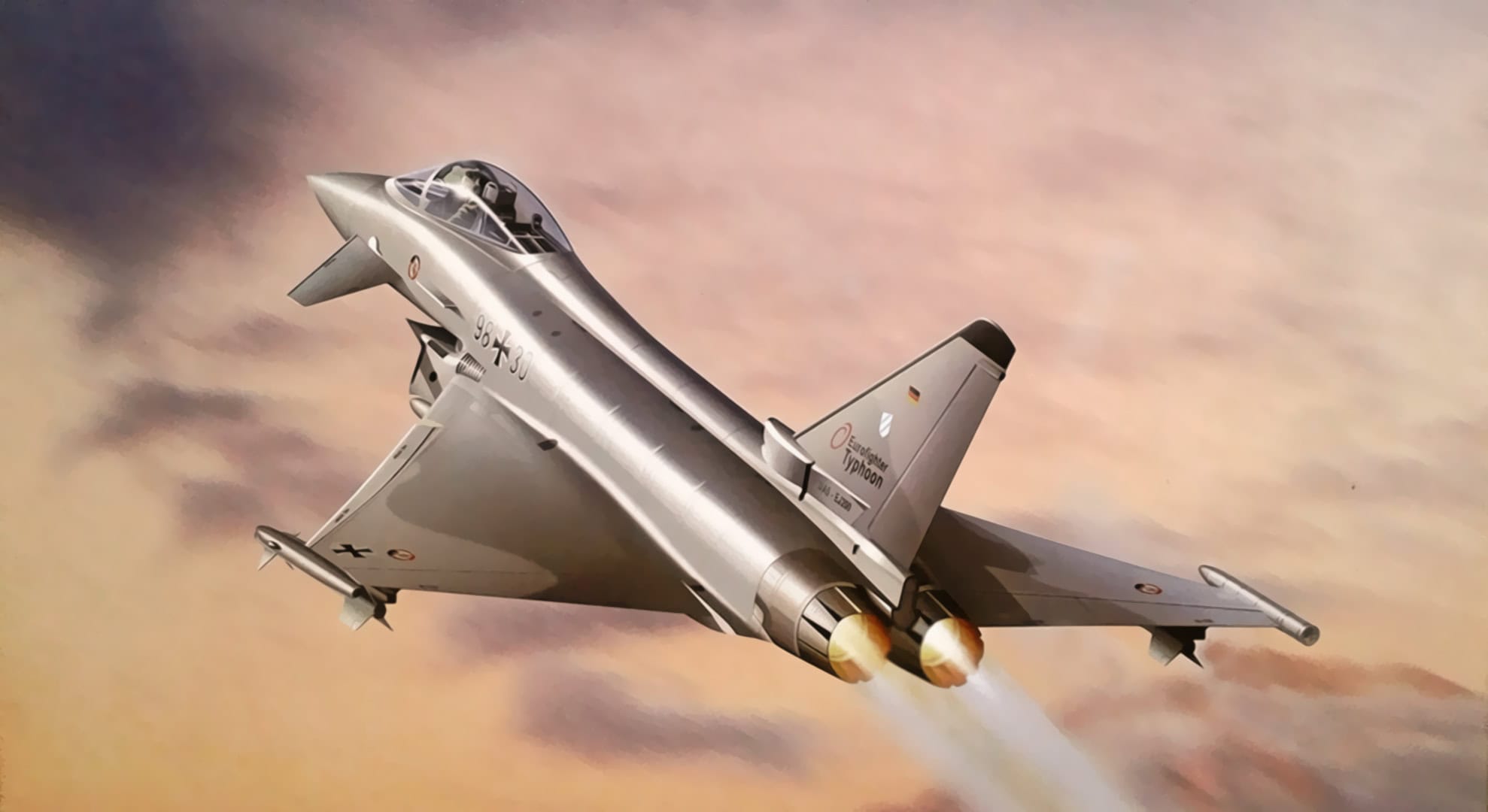
Eurofighter Typhoon. Image Credit: Creative Commons.
Recent purchases and backlog expansions signal confidence in the aircraft’s operational utility.
Both the Typhoon and Dassault jets serve as bridges—capable combat platforms that sustain industrial capability, meet current defense needs, and provide a baseline for transitioning to next-generation systems such as GCAP or FCAS.
About the Author: Kris Osborn
Kris Osborn is the President of Warrior Maven – Center for Military Modernization. Osborn previously served at the Pentagon as a highly qualified expert in the Office of the Assistant Secretary of the Army—Acquisition, Logistics & Technology. Osborn has also worked as an anchor and on-air military specialist at national TV networks. He has appeared as a guest military expert on Fox News, MSNBC, The Military Channel, and The History Channel. He also has a Master’s Degree in Comparative Literature from Columbia University