
Published on
February 10, 2026
A routine transatlantic journey connecting France, the United Kingdom, and the United States was unexpectedly disrupted when a Delta Air Lines widebody aircraft encountered an unexplained cabin odor shortly after departure. What began as a scheduled long-haul service from Paris Charles de Gaulle to Atlanta gradually transformed into a carefully managed safety event, highlighting the layered protocols that govern modern commercial aviation. Operated by an Airbus A330, the flight was carrying passengers across one of the world’s busiest air corridors when concerns emerged from the rear cabin section.
As the aircraft continued westward, operational decisions were taken with caution, underscoring the aviation industry’s emphasis on prevention rather than reaction. Emergency services were placed on standby, flight parameters were adjusted, and coordination between flight crew and air traffic control across European airspace was maintained. Although no visible smoke or fire was reported, the presence of an unfamiliar odor was treated with seriousness, reflecting standard international safety procedures.
This incident once again placed attention on how airlines operating between France, the United Kingdom, and the United States respond to irregularities mid-flight, ensuring passenger safety remains paramount even when outcomes ultimately prove non-critical.
Flight Details and Initial Situation
Delta Air Lines flight DL85 was operated on the busy transatlantic route between Paris Charles de Gaulle Airport in France and Atlanta in the United States. The service was conducted using an Airbus A330-323, registered as N814NW, an aircraft nearly two decades old but still widely deployed on long-haul routes within Delta’s international network.
Prior to departure from Paris, a right engine start issue was encountered. Ground engineers at Charles de Gaulle Airport addressed the matter, resulting in a delay. Once resolved, the aircraft departed normally and proceeded along its planned routing across European airspace. At this stage, no abnormalities were reported, and flight operations appeared routine.
Detection of the Unusual Cabin Odor
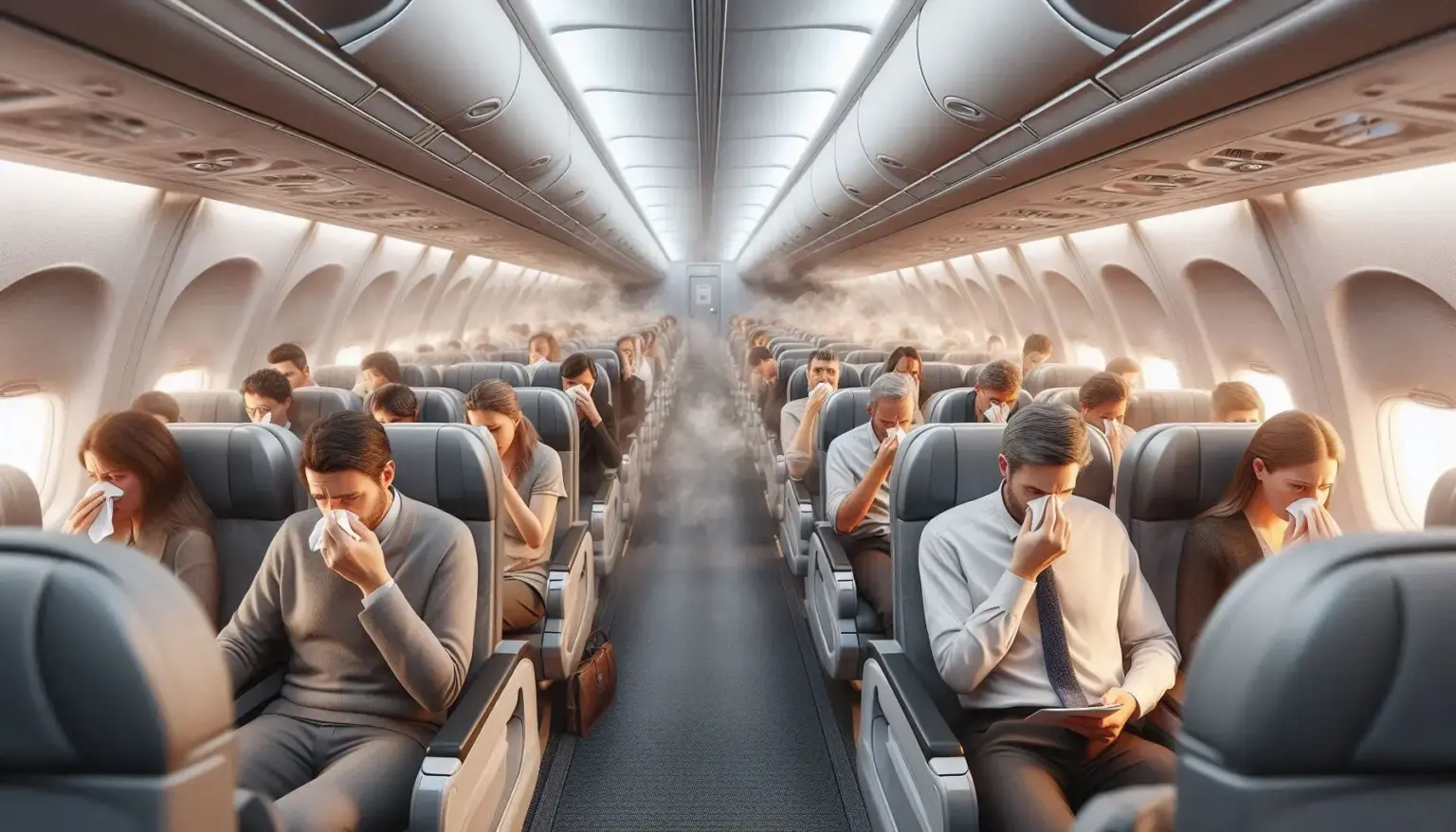
Shortly after departure, passengers seated toward the rear of the aircraft noticed a strange odor within the cabin. The smell was described as unusual and discomforting, with some passengers experiencing irritation affecting their noses and ears. The flight crew was alerted and acknowledged the situation while standard monitoring procedures were initiated.
Advertisement
Advertisement
No visible smoke was observed, and onboard systems did not immediately indicate a critical fault. Nevertheless, aviation protocols require that any unexplained odor be treated as a potential safety concern. As a result, the situation was managed conservatively, with continuous assessment carried out by the cockpit crew in coordination with airline operations staff.
Operational Adjustments Over European Airspace
While the aircraft continued across parts of United Kingdom airspace, flight tracking data indicated that the Airbus A330 maintained a lower-than-usual cruising altitude for several minutes. This adjustment allowed for spacing changes among surrounding aircraft and provided additional operational flexibility should further action be required.
Air traffic control ensured that nearby aircraft movements were modified accordingly, demonstrating coordinated traffic management over one of Europe’s most congested regions. At the time of monitoring, the aircraft was recorded cruising at approximately 20,825 feet with a ground speed of 421 miles per hour.
Precautionary Landing Arrangements in the United Kingdom
As a precautionary measure, arrangements were made for the aircraft to land at London Heathrow Airport in the United Kingdom. Emergency services were placed on standby in accordance with international aviation safety standards for flights reporting cabin-related irregularities.
The landing itself was conducted smoothly, with no reported complications during approach or touchdown. Following landing, the aircraft briefly remained on the runway before taxiing to a designated remote area. Fire and rescue vehicles surrounded the aircraft as part of established safety procedures, though no direct intervention was required.
Passengers remained onboard for a short period while authorities confirmed that standard safety checks were completed and that disembarkation could proceed safely.
Aircraft Profile and Operational Context
The Airbus A330-323 involved in the incident was 19.2 years old at the time of the flight. Despite its age, the A330 platform remains a reliable workhorse for long-haul operations between Europe and North America, including frequent services linking France and the United States.
The aircraft type is equipped with advanced smoke and fume detection systems designed to alert crews at the earliest sign of irregularities. These systems, combined with crew training, allow potential issues to be identified and managed before escalation occurs.
Safety Protocols and Industry Standards
Aviation safety regulations mandate that any unusual smell or technical anomaly be handled with caution. Emergency vehicles routinely meet aircraft under such circumstances to ensure rapid response capability, even when the likelihood of serious danger is low.
In this case, the precautionary response ensured that passenger and crew safety remained the central focus throughout the event. The absence of further complications demonstrated the effectiveness of layered safety measures adopted by airlines operating across international airspace connecting the United Kingdom, France, and the United States.
Reference to a Similar European Incident
A comparable situation was previously recorded involving an Air France flight that diverted to Munich after a smoke-like odor was detected mid-flight. In that instance, emergency procedures were initiated, and the aircraft landed safely with emergency services in attendance.
Following inspections and crew duty limit considerations, the onward journey was canceled, and passengers were accommodated overnight before continuing on a replacement aircraft. The incident reinforced how European and international carriers apply consistent safety-first approaches when confronted with cabin odor reports.
Passenger Observations and Ground Response
During the Delta Air Lines event, at least one passenger reported noticing a fuel-like smell prior to the diversion. Images later shared online showed emergency vehicles positioned around the aircraft after landing, illustrating the precautionary nature of the response.
Once safety checks were completed, authorities confirmed that no immediate risk remained. Passengers were then managed according to established airport and airline procedures, ensuring minimal confusion despite the unexpected disruption.
The diversion of Delta Air Lines flight DL85 highlighted the robust safety culture that governs transatlantic aviation between France, the United Kingdom, and the United States. Although the mysterious cabin odor did not result in injury or technical escalation, the event demonstrated how even minor irregularities are handled with structured caution.
Through coordinated decision-making, adherence to international protocols, and proactive engagement with emergency services, the situation was resolved without incident. Such occurrences continue to underscore why precautionary landings remain a vital component of global aviation safety practices.
