
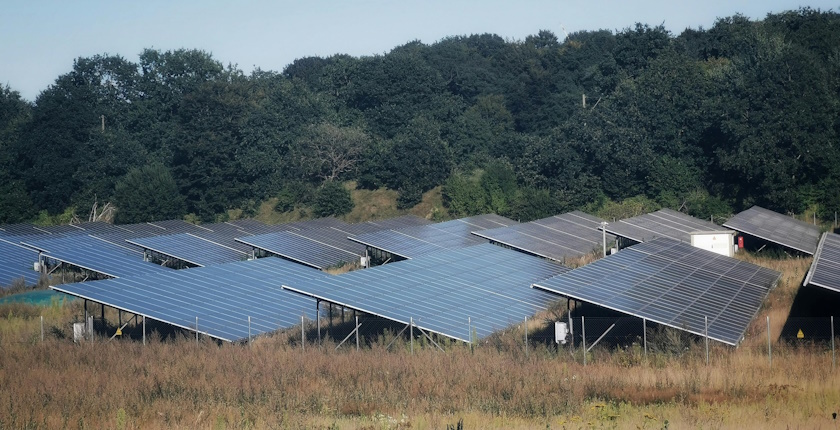
The aim of the analysis was to show seasonal trends and highlight the correlation between production from photovoltaic plants, consumption, traded volumes and prices on the day-ahead market of the North Macedonian power exchange. The day-ahead market operates in an isolated mode, MEMO noted in the document.
Ana Angelova used official power exchange data for 2024, with a focus on hours when the efficiency of PV facilities was above 30%.
Consumption was stable throughout the year
A clear seasonal pattern was determined. Electricity consumption remains relatively stable throughout the year, with slight decreases in the spring and summer. In contrast, PV plant generation follows a distinct seasonal pattern – it peaks in the summer and troughs in the winter.
As electricity generated by photovoltaic plants increases, so does the amount traded on the day-ahead market, Angelova stressed.
Prices lowest in April
Prices are the lowest in April, a period associated with milder weather conditions, lower consumption, and increased energy production from solar power plants. However, from the summer months onward, and especially in winter, prices begin to rise, reaching a peak in November.
The peak in day-ahead market prices in November coincides with a period of low PV plant generation and increased consumption.
“Increased electricity generation from photovoltaic plants is associated with lower prices, while low generation leads to higher market prices, emphasizing the impact of renewable energy availability on price formation. The trend indicates that energy policies should focus on addressing weaknesses during the winter period and harnessing the potential of solar energy in summer,” Angelova pointed out.
Possible solutions Photo: MEMO
She proposed measures to enhance integration of renewable energy into the energy system, mainly electricity produced from solar panels. The key mechanisms are:
Post Views: 5