
The economy — rebranded as affordability — is once again front and center as the nation’s mid-term election cycle heats up.
This is nothing new, as kitchen table economics have always been a top voter concern. The 2024 Presidential election hinged on the economy and illegal immigration. Out-of-control inflation that surged more than 24% during the Biden presidency, along with an alarming flow of illegals crossing the southern border, powered Donald Trump’s comeback victory.
Leading statistical indicators pointed to a strengthening economy in 2025, but the benefits of that had not yet been felt in household budgets, allowing Democrats to effectively turn the tables and successfully message by campaigning on affordability.
After being routed in the 2025 elections, Republicans realized the need to refocus on the economy. That effort has largely failed as everyone from Donald Trump on down has allowed themselves to be sidetracked by everything from Left-wing organized agitation over ICE in Minnesota to Bad Bunny performing at the Super Bowl.
Despite their incessant caterwauling, failed Left-wing policies are at the root of current affordability concerns. From energy to housing to education to taxes, their policies have driven up the cost of living for the average American. If the GOP is to be successful in the mid-term elections, it must be laser-focused on these issues.
Pennsylvania is currently in the grip of a much colder than (recently) normal winter. That is driving up home heating costs. Opening the electric bill can be a shock (pun intended). Further, the PJM electric grid, along with grids across the nation have struggled to meet demand.
Government policies are to blame. Both the federal and state governments have placed an ineffective emphasis on so-called “renewables” — solar and wind. While an all-of-the-above energy policy is wise, subsidizing and tilting the playing field to benefit ideology-driven generation sources over proven, dependable sources has been disastrous.
In Pennsylvania, the Left has taken to blaming energy consumption from as-yet non-existent data centers for the rise in electric rates. It is true that data center demand to power America’s competitiveness in the Artificial Intelligence space will consume massive amounts of electricity. The solution, however, is not to discourage the development of data centers but to produce more energy.
Pennsylvania is well-positioned to do just that. We sit atop one of the largest natural gas reserves in the world. Tapping of that resource has been slowed by the state’s ill-advised participation in the Regional Greenhouse Gas Initiative (RGGI), which brought gas development to a halt. Now that the commonwealth has removed itself from RGGI, we can once again begin to benefit from that resource.
But there are storm clouds. Governor Josh Shapiro continues to propose energy-crushing cap and trade tax policies. The construction of the pipelines and other infrastructure needed to deliver energy to the market remains constrained by excessive state government regulation and bureaucracy.
Housing is another key factor impacting affordability. Here, too, government policies, especially those at the local level, are to blame. New housing starts are complicated by a tangled web of state regulations and local zoning laws that slow or discourage housing development. This impacts supply and — a basic law of economics — when demand outpaces supply, prices go up. Hence, housing becomes less affordable.
Other factors affect the cost of housing. The Federal Reserve has kept interest rates at recent high levels to deal with Biden-era inflation. The cost of borrowing has pushed many first-time prospective homebuyers out of the market and discouraged existing homeowners from buying larger houses because they don’t want to exchange their existing lower interest rate mortgages for today’s higher rates. This depresses the inventory of entry-level housing.
And, (this will drive the Left nuts) millions of illegal immigrants have overwhelmed the supply of lower rent apartments, creating a shortage of supply — again driving up rental costs.
Property taxes are also taking an ever-increasing chunk out of the family budget. Despite massive increases in state spending on K-12 public schools (without a commensurate increase in educational achievement), local school districts have been raising property taxes at an alarming rate.
During the COVID pandemic, the federal government dumped billions of dollars into county and municipal coffers. Fiscally responsible elected officials used the funds for one-time expenditures. But many expanded ongoing programs. Now that those subsidies are gon,e taxes are going up. This accounts for the wave of county property tax increases that swept across the state last year.
The bottom line: Ideologically driven Left-wing policies have cumulatively created the affordability crisis. The way out of it — and the road to electoral success for the GOP — is to focus on practical, free-market reforms that will allow Americans, regardless of economic status, to benefit.
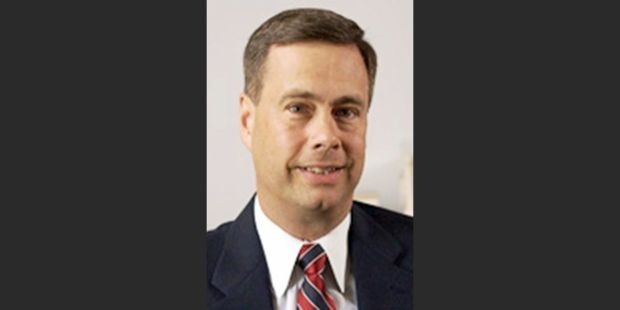
Lowman S. Henry is Chairman & CEO of the Lincoln Institute and host of the American Radio Journal and Lincoln Radio Journal. His e-mail address is lhenry@lincolnisntitute.org.