

 OLIVIER BONHOMME
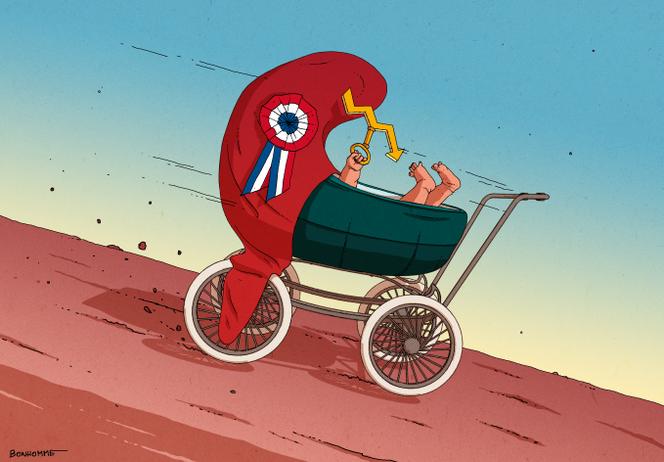
Prime Minister Sébastien Lecornu acknowledged the situation on January 13: “The demographic challenge is practically a presidential campaign issue.” Recently, French politicians have been closely scrutinizing demographic data. In January, INSEE, France’s national institute of statistics, announced that the country’s birth rate has fallen to its lowest level since the end of World War II, and that its natural population balance turned negative in 2025. This has forced the country’s political parties to take a stand on a new perspective: By 2030, one in three people in France will be aged 60 or older.
Report after report has delivered the same verdict: France’s demographic aging, combined with declining birth rates, threatens the country’s welfare model, which relies on a balance between working and non-working generations. In December 2025, the Court of Auditors, the national administrative court that oversees public finances, called on lawmakers to factor the country’s demographic trends into budget debates, stressing the “profound effects” they entail. This new factor raises questions about how sustainable the country’s healthcare system is, how to employ older people and fund the pension system, as well as the role of immigration and intergenerational solidarity.
You have 84.37% of this article left to read. The rest is for subscribers only.