
Romanian filmmakers are once again in the international spotlight at the 76th edition of the Berlin International Film Festival (Berlinale), reinforcing the country’s growing visibility on the global cinema stage. Supported by the Romanian Cultural Institute (ICR), Romanian productions and co-productions are featured across five major festival sections running from February 12 to 22: Berlinale Shorts, Forum, Generation Kplus, Berlinale Special (Berlinale Co-Pro Series 2026) and Retrospective.
Romanian titles across competitive sections
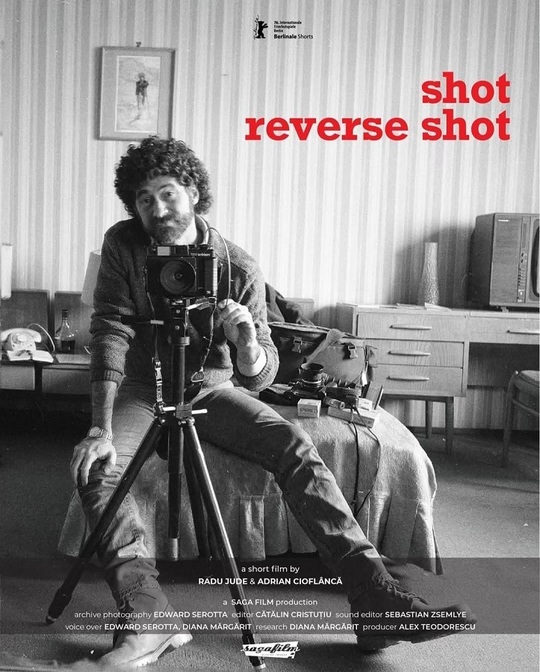
In the Berlinale Shorts competition, Romania is represented by “Shot Reverse Shot / Plan Contraplan” by Radu Jude and Adrian Cioflâncă, a documentary juxtaposing photographs taken by American journalist Edward Serotta in communist Romania with clandestine images captured by the Securitate, offering a striking reflection on historical memory.

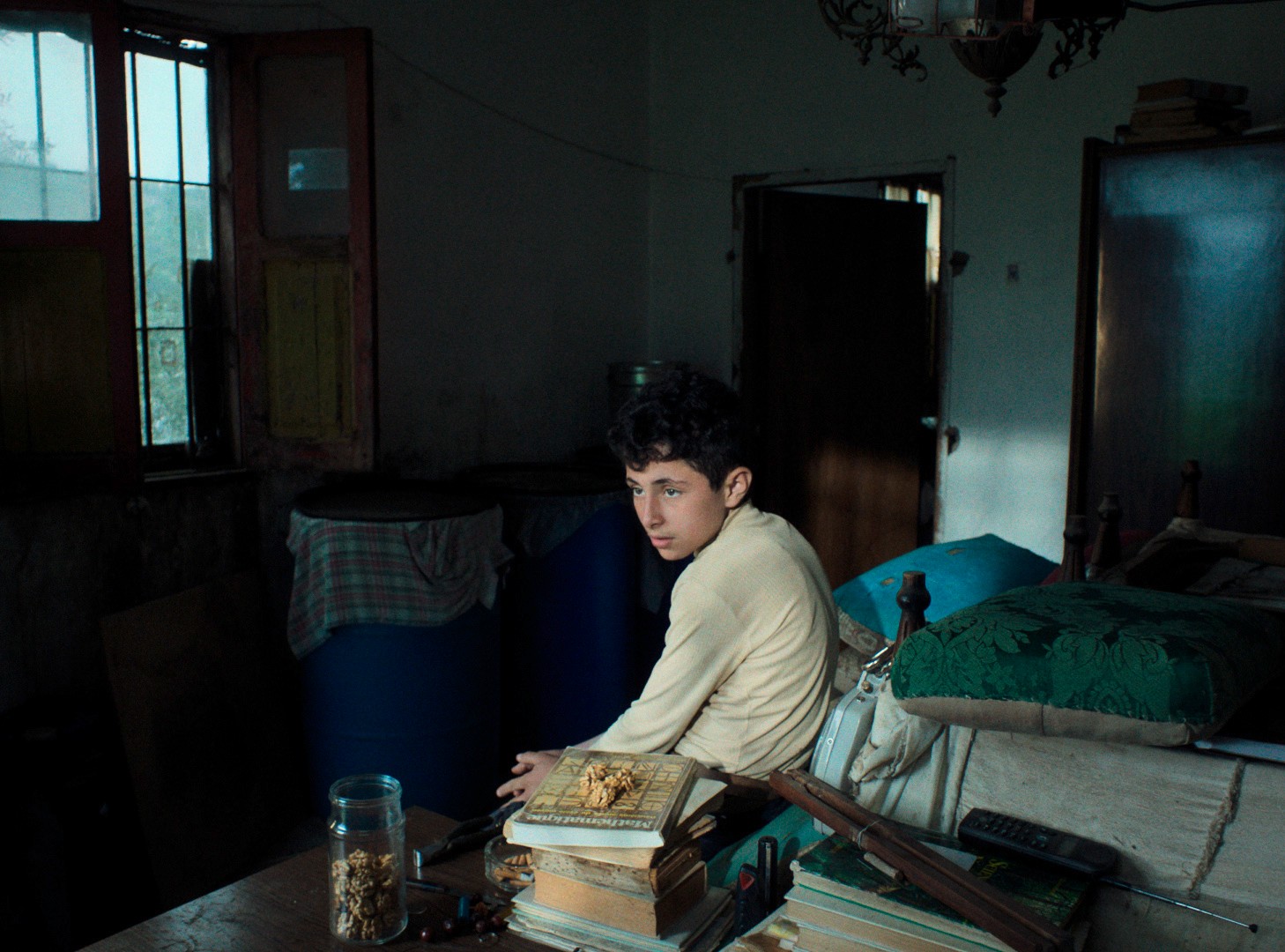
The section also includes the Romania-France-Lebanon co-production “Someday, a Child (Yawman ma walad)” by Marie-Rose Osta, which follows the story of a boy with supernatural gifts living under the daily threat of conflict in a Lebanese village.

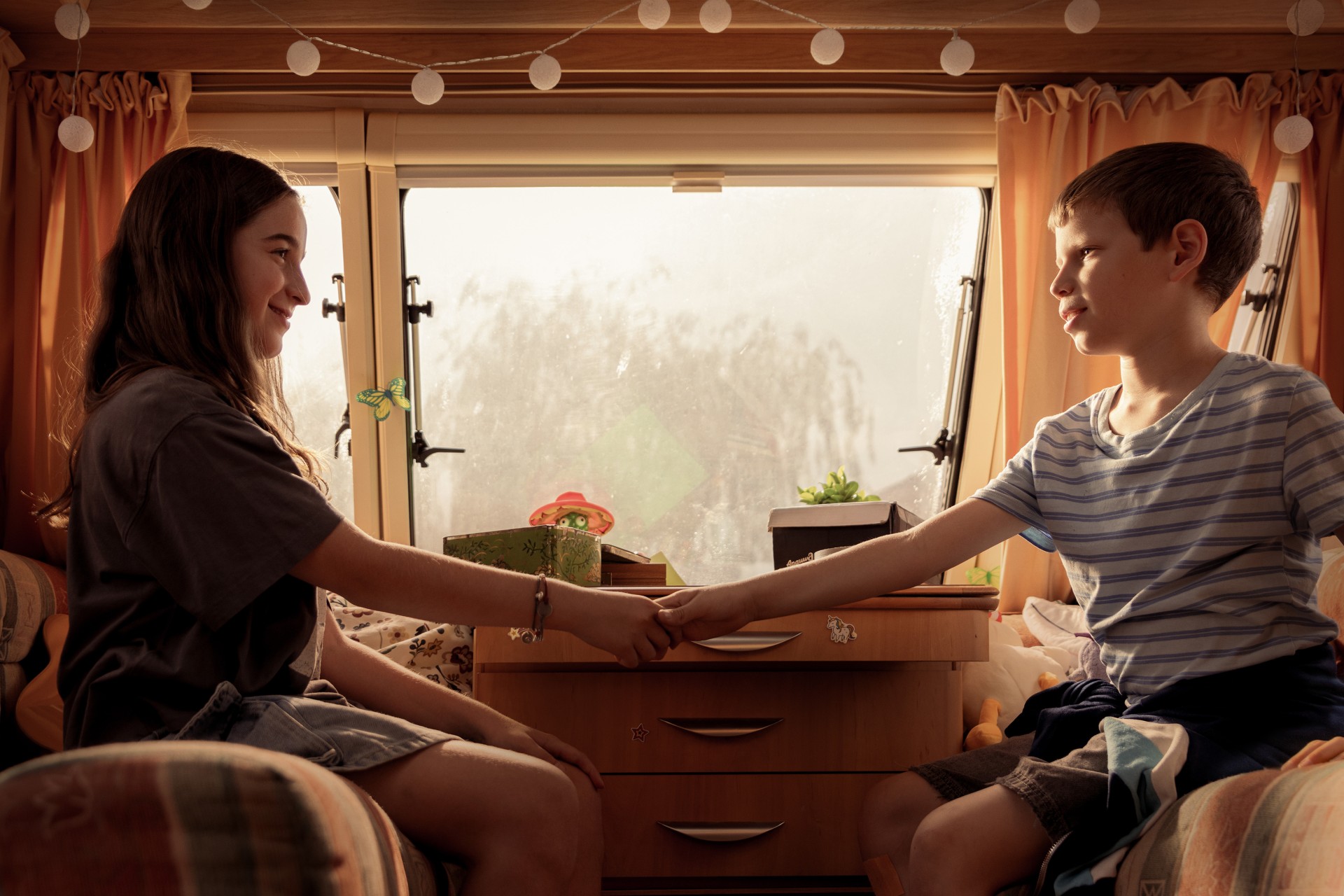
The Forum section features the feature film “De capul nostru”, directed by Tudor Cristian Jurgiu, exploring the emotional isolation of a teenage girl who attempts to build a surrogate family for two runaway children.
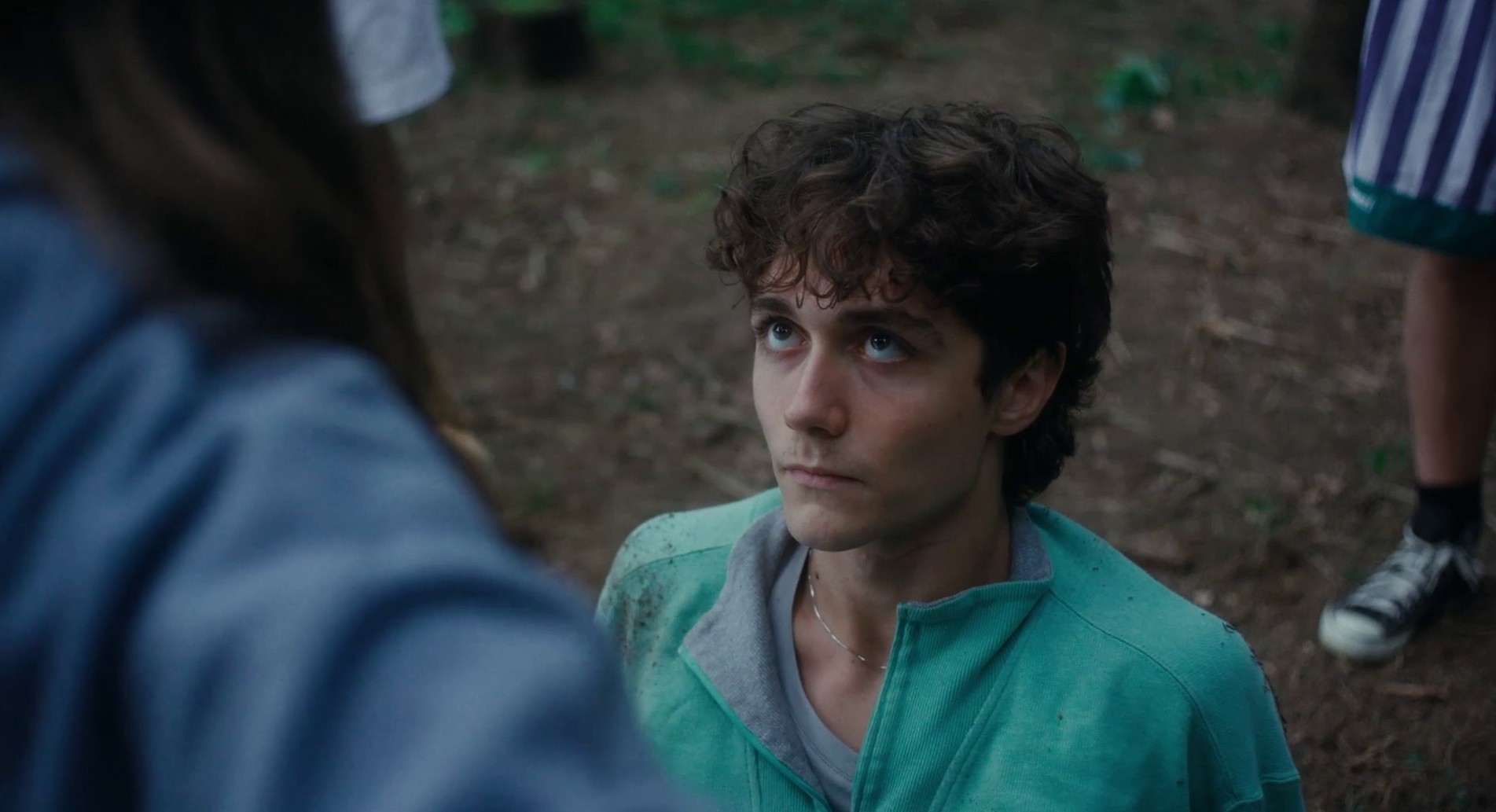

In Generation Kplus, the Romanian-Bulgarian co-production “Atlasul universului” by Paul Negoescu follows the journey of a ten-year-old boy searching for his lost left shoe, delivering a story about courage, friendship and self-discovery for young audiences.

The film team is represented at the festival by producers Irina Enea and Adriana Bumbeş, who are also participating in the KIDS Regio – Berlinale Meeting Point 2026 with the children’s feature project “Pericol / Kid Hazard,” an adventure production already selected in multiple international forums and festivals.
Within Berlinale Co-Pro Series 2026, ICR Berlin supports producer Anda Ionescu and director-screenwriter Cristina Groşan with the TV mini-series in development “Angelmaker.”
Retrospective and special screenings
The festival’s Retrospective program includes “Videograms of a Revolution / Videogramme einer Revolution” by Harun Farocki and Andrei Ujică, a landmark historical documentary built on archival footage from the 1989 Romanian Revolution. Meanwhile, the Berlinale Special Gala presents “Heysel 85” by Teodora Ana Mihai, a film examining the tragedy at the Heysel Stadium and the complex layers of human responsibility in the face of catastrophe.
Playlab and cultural dialogue
Alongside the official festival screenings, ICR Berlin is developing Playlab, an experimental platform dedicated to interdisciplinary dialogue and the promotion of emerging Romanian creators. The second edition, “Love, Fear, and Other Rituals. Romanian Film & Art Lounge Berlinale 2026” (February 17 – March 6), transforms the ICR Berlin Gallery into a meeting and reflection space for filmmakers, visual artists, students, curators and the wider public. Visitors will be able to explore Romanian student short films and contemporary visual art projects addressing themes such as love, fear and modern rituals, positioning Playlab as a temporary cultural hub that expands Romania’s creative footprint internationally.
Industry recognition at the European Film Market
Romania’s presence at Berlinale 2026 extends beyond screenings into the industry arena. At the European Film Market, the EFM Distributor Award 2026 was presented to Monica Felea and Ştefan Bradea of Bad Unicorn Distribution, recognizing their outstanding contribution to European arthouse cinema distribution. The award, endowed with a EUR 7,500 cash prize and sponsored by Fintage House, was handed out during the EFM Kick-Off event on February 11.
Founded by experienced distribution specialists Monica Felea and Ştefan Bradea, Bad Unicorn has built a portfolio of over 60 titles and recorded more than 900,000 admissions in Romania, releasing between 12 and 15 auteur films annually. The jury, composed of Dorothee Pfistner (Neue Visionen Filmverleih), Marta Fernandes (Midas Filmes) and Nicolai Korsgaard (TrustNordisk), praised the company’s creativity, perseverance and commitment to bringing European arthouse cinema to a challenging market with one of the lowest cinema-screen densities in the EU.
In their acceptance message, Felea and Bradea highlighted the invisible yet essential role of distributors in connecting films with audiences, emphasizing that without strong distribution networks, many auteur productions would never reach the big screen.
A consistent Romanian track record
Berlinale remains the second most important and largest film festival in Europe after Cannes and continues to offer a privileged platform for Romanian cinema’s international exposure. The Romanian Cultural Institute “Titu Maiorescu” in Berlin has supported Romanian participation since 2008, the year Bogdan Mustaţă won the Golden Bear for the short film “A Good Day for a Swim.”
Over the years, Romanian cinema has secured major distinctions, including the Golden Bear for “Child’s Pose” (2013, Călin Peter Netzer), the Golden Bear for “Touch Me Not” (2018, Adina Pintilie), and the Golden Bear for “Bad Luck Banging or Loony Porn” (2021, Radu Jude). More recent accolades include the FIPRESCI Prize for “Between Revolutions” (2023, Vlad Petri), the Giuseppe Becce Award for “Holy Week” (2024, Andrei Cohn), and the Silver Bear for Best Screenplay awarded to Radu Jude in 2025 for “Kontinental ’25.”
Through sustained involvement and institutional backing, Romania continues to strengthen its cinematic voice at Berlinale, creating opportunities for professional dialogue, international collaboration and long-term visibility for its filmmakers on the world stage.