
Our weekly newsletter Inside Denmark looks at some of the stories that have caught our attention over the last seven days. This week, what are the chances of a return for the popular spring holiday Great Prayer Day, which was controversially scrapped in 2023?
The opposition Socialist People’s Party (SF) has demanded the return of Great Prayer Day, a spring public holiday that was scrapped three years ago, as a condition for supporting a future government after the next election.
“Many Danes feel that Great Prayer Day was taken from them like a thief in the night. We need to restore public trust by simply scrapping the law [that abolished it, ed.],” SF leader Pia Olsen Dyhr said in an interview with conservative newspaper Weekendavisen on Wednesday.
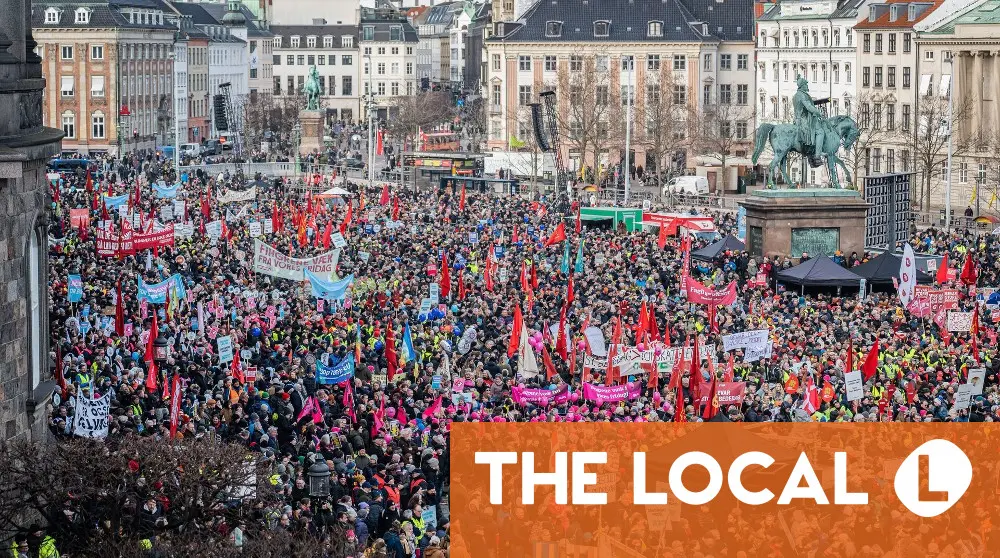
Great Prayer Day (Store Bededag) was scrapped by the government in 2023 in a highly unpopular move that elicited demonstrations and campaigns against the decision.
The government said at the time that the holiday was being repealed to create extra state income through tax, which would help to pay for extra defence spending and other costs.
The demand from SF could carry some weight.
Prime Minister Mette Frederiksen’s Social Democrats suffered a damaging defeat in last November’s local elections. One of the party’s strategies since then has been to rebuild relations with closely aligned opposition parties on the left, to broaden its chances of forming an alliance with as many parties as possible after the election, which must take place by the end of October.
SF falls firmly into that category, so it’s likely Frederiksen will listen to the Great Prayer Day demand, despite being firmly behind the demise of the holiday in 2023.
Dyhr said the demand is not “ultimate”, in keeping with the traditional give-and-take style of negotiations SF makes on its election promises.
“We’ll have to negotiate. The Social Democrats have not said what government they would prefer,” the SF leader said, referring to a potential choice between a left-wing arrangement and a centrist coalition, should there be a majority for either after the election.
Advertisement
SF will not govern with the centre-right Liberal (Venstre) party, a member of the current coalition, Dyhr has confirmed.
“If you want a left wing government and want Great Prayer Day back, SF is the guarantee for that,” she added.
READ ALSO: What was Denmark’s Great Prayer Day holiday and why was it abolished?
The party leader recognised that repealing Great Prayer Day had improved the Danish state’s revenues, but also noted that the country’s finances were in a healthy position.
SF is not the only opposition party to have voiced support for bringing back Great Prayer Day, and right-wing opposition parties including Liberal Alliance and the Conservatives have also said they would reinstate it if there was majority backing for this in parliament.
As such, it’s also conceivable that a right-wing victory in the election could also mean a government platform including a promise to reinstate Great Prayer Day.
A continuation of the existing centrist coalition appears to be the only election outcome that would rule it out, but even the Social Democrats themselves appear to be softening their position on the issue.
Advertisement
“If we get into a position where we are responsible for forming a government, we’re open to discussing it,” Finance Minister Nicolai Wammen said during a press briefing.
“I’ve heard that SF have said it’s not an ultimate demand, but something they want to discuss,” he said.
Frederiksen has said in the past that any parties which want to bring back Great Prayer must find the money to pay for it.
“I’m not rejecting SF’s proposal out of hand, but we need to look at it in context,” Wammen said this week.
“The money which would be used to reintroduce Great Prayer Day could be spent on society elsewhere,” he said.