
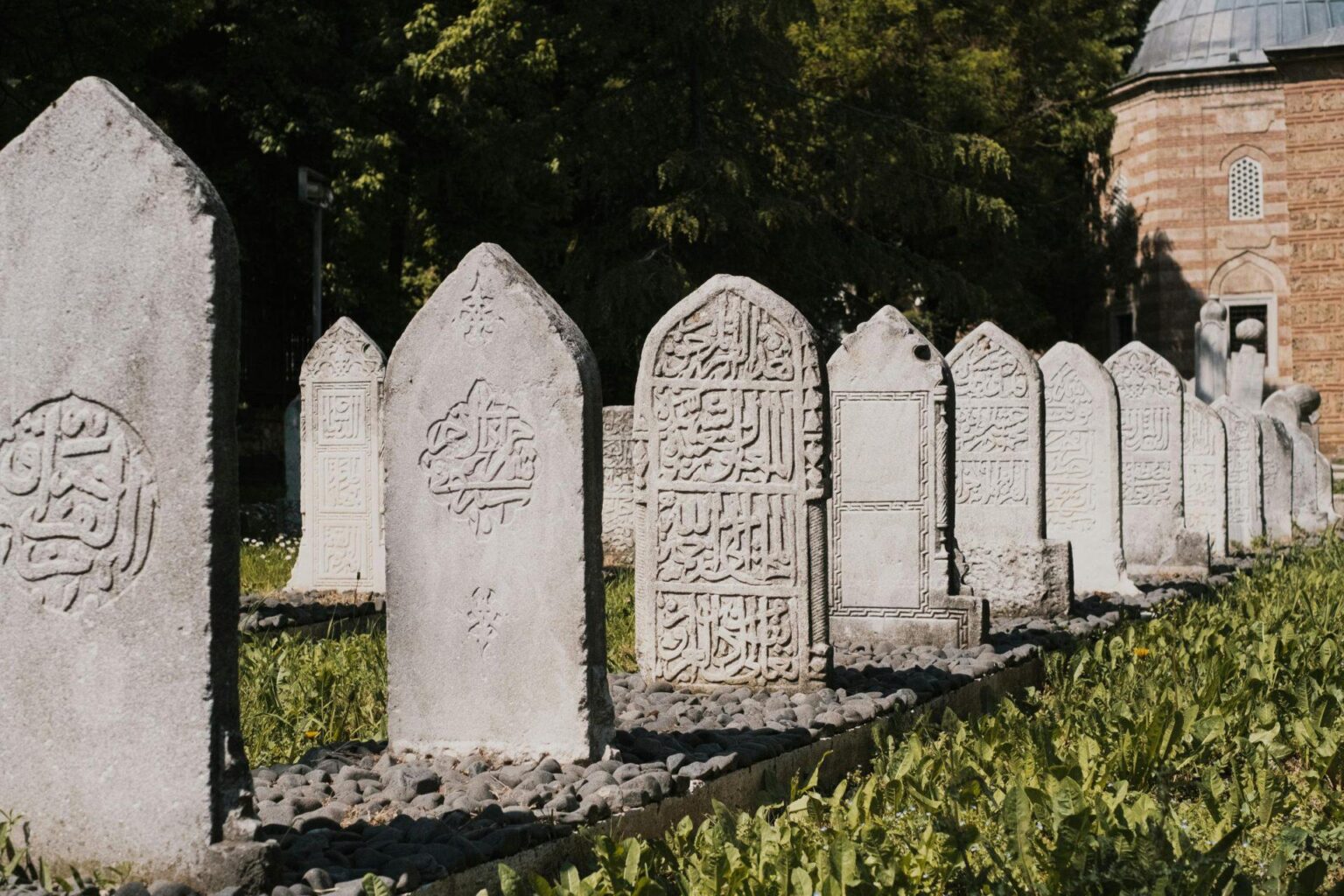
MADRID, Spain (MNTV) — Twelve Muslim graves dating from the 8th to the 15th centuries have been discovered in the southern Spanish town of Estepona, offering new insight into the Islamic heritage of Al-Andalus, according to a report by Yabiladi.
The graves were unearthed during redevelopment works along San Lorenzo and España avenues, part of a major urban project to create a 22,000-square-meter pedestrian boulevard linking the historic center to the seafront.
City authorities had заранее alerted Andalusian cultural officials due to the known presence of a Muslim necropolis in the area.
The site is officially designated as an archaeological zone under local planning regulations, requiring expert supervision throughout construction.
Archaeologists confirmed that the bodies were buried directly in the earth and oriented toward Mecca, in line with Islamic funerary traditions.
Further forensic analysis is expected to determine age, gender, and possible causes of death.
Estepona — known in the Nasrid period as Istibbuna — contains two documented Muslim cemeteries. Over the past years, around 600 sets of remains have been uncovered in the town’s historic medina.
Excavations have also revealed medieval weapons, including five stone projectiles believed to have been used during 13th- and 14th-century sieges by Christian forces.
Ceramic fragments from the same period have provided additional clues about daily life under Muslim rule.
Archaeologists say ongoing works could yield further discoveries, reinforcing southern Spain’s layered history of Muslim and Christian coexistence, conflict, and political alliances during the centuries of Al-Andalus.