
Published on
February 15, 2026
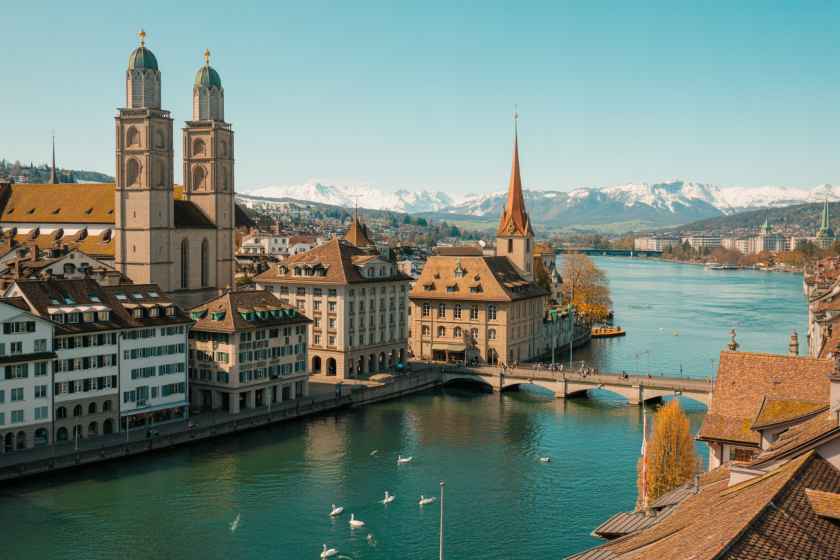
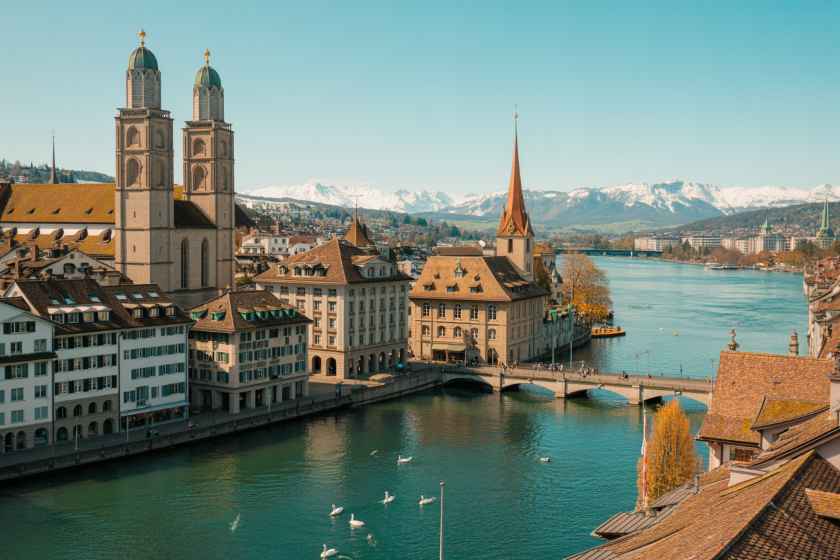
Switzerland’s picturesque landscapes, renowned skiing resorts, and vibrant cities have long attracted travellers from around the globe. From the towering Alps to the serene shores of Lake Geneva, the country’s allure is undeniable. However, a new political proposal has the potential to reshape the future of tourism in Switzerland, as the country prepares for a referendum on limiting its population to 10 million by 2050. This proposal, tied to the country’s rising immigration concerns, is making waves in both political and economic circles, sparking discussions about its implications for Swiss tourism.
Switzerland, with a current population of approximately 9.1 million, has seen a steady increase in its population in recent years, largely driven by immigration. But the Swiss People’s Party (SVP), which initiated the proposal, suggests that limiting the population will help preserve the nation’s beloved way of life and ease the pressure on housing, infrastructure, and wages. As the country grapples with these growing pains, the potential impact on tourism remains a key concern for industry experts and travellers alike.
Switzerland’s Iconic Destinations: An Overview
Switzerland has long been a top destination for travellers seeking luxury, adventure, and culture. The breathtaking Alps, home to world-class ski resorts like Zermatt, St. Moritz, and Verbier, continue to attract winter sports enthusiasts from all over. Meanwhile, the cities of Zurich, Geneva, and Lucerne offer an eclectic mix of cultural experiences, historic sites, and modern amenities. Not to be overlooked, the serene lakes of Switzerland—such as Lake Geneva, Lake Zurich, and Lake Lucerne—are perfect for summer vacations, offering picturesque views and a range of outdoor activities.
The Role of Immigration in Swiss Tourism
Immigration has played a crucial role in Switzerland’s booming tourism sector, not only by adding to the population but also by contributing to the workforce that sustains the tourism industry. The influx of workers from various countries has helped meet the demand for labour in key sectors like hospitality, healthcare, construction, and transportation. Many of the country’s most popular hotels, resorts, and tourist attractions rely on immigrants to fill essential positions.
If the proposed population cap is implemented, it could disrupt the flow of foreign workers needed to maintain these vital services. Tourism in Switzerland could feel the effects of such a shift, as the demand for workers in the hospitality and transport sectors may outweigh the available domestic labour pool. In this case, Swiss tourism businesses might struggle to keep up with the demands of international visitors, especially during peak seasons.
How the Population Cap Could Affect the Travel Experience
Tourists may start to notice changes in the travel experience if the population cap is introduced. With limits on immigration, some parts of the country could see slower growth in infrastructure development, which could impact the availability and quality of tourist accommodations, transportation systems, and services. Cities like Zurich, Geneva, and Lucerne, which are major hubs for international travelers, might experience tighter competition for resources and accommodation options, leading to higher prices and potentially reduced access to popular attractions.
Advertisement
Advertisement
Switzerland’s renowned public transport system, another key element of its tourism appeal, might also face challenges. The influx of foreign workers helps sustain efficient train routes, buses, and other transport services. A sudden halt in the flow of workers could strain the capacity of these systems, making travel less seamless for visitors who rely on them to navigate the country’s scenic towns and cities.
What Does the Future Hold for Swiss Tourism?
As the referendum approaches, the potential restrictions on immigration and the population cap remain hotly debated. If the proposal is approved, Switzerland could face long-term challenges in balancing the demands of tourism with the need to maintain a sustainable, manageable population size. However, even with these challenges, Switzerland’s iconic attractions and stunning landscapes will likely continue to draw tourists from all over the world. The future of Swiss tourism depends on how the country navigates these political and economic changes.
In the short term, travelers can still look forward to experiencing Switzerland’s timeless beauty. Whether skiing down the slopes of Zermatt, cruising along Lake Geneva, or exploring the rich cultural offerings in Zurich, Switzerland remains a must-visit destination. But with the potential changes on the horizon, it’s important for those planning future trips to stay informed about the country’s political landscape and how it might impact their travel plans.
The Economic Balance: Tourism and Immigration
Tourism is a vital part of Switzerland’s economy, contributing billions annually. The Swiss tourism industry, which supports hundreds of thousands of jobs, relies heavily on both domestic workers and immigrants. The economy’s reliance on foreign labour is particularly evident in the healthcare and construction sectors, where many immigrants fill vital roles. The proposed population cap could, however, have ripple effects throughout the economy, potentially resulting in fewer workers available for the tourism sector, which might impact the overall visitor experience.
Tourism stakeholders, including business groups and the government, have raised concerns about the proposal’s potential to harm the country’s global reputation as a top travel destination. The ability to attract visitors, particularly for luxury tourism and winter sports, depends on having the infrastructure, services, and personnel in place to meet demand. Limiting population growth could risk hindering these vital aspects of the tourism sector.
Conclusion: The Future of Switzerland as a Tourist Destination
As Swiss voters prepare to decide on the population cap, the potential effects on tourism remain an important consideration for both industry professionals and travellers. While Switzerland’s stunning landscapes and vibrant cities will likely continue to entice visitors, the impact of a population cap could be felt in terms of tourism infrastructure, the availability of services, and the overall visitor experience.
Tourists planning trips to Switzerland should keep an eye on the referendum results, as the future of travel in this picturesque country could look quite different in the years to come. Whether the population cap passes or not, Switzerland’s beauty and rich cultural heritage will continue to be a driving force in global tourism, but its future may depend on how it balances growth with sustainability.
