
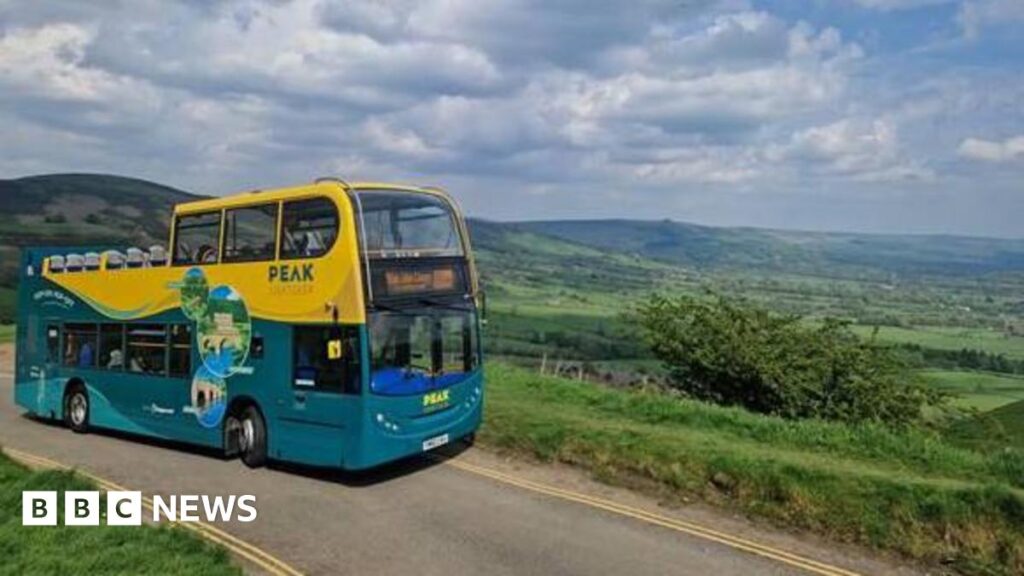
The report said the plan would be to make buses arrive shortly before a train pulls into a station making connections smoother.
Ableman said: “A rural corridor with modest demand can justify high frequency when it sits inside an integrated network rather than operating in isolation.
“For years we’ve been stuck in a cycle where rural public transport costs more and delivers less. Mini Switzerland shows there’s another way. By properly integrating buses and trains, we can unlock far more value from the networks we already fund.
“Transport integration is one of the most powerful and most cost-effective tools we have to widen access to opportunity and drive economic growth. At a time when budgets are tight, it’s never been more important to make the system work as a joined-up whole.”
Roger Clarke, trustee of Hope Valley Climate Action, added: “For people in the Hope Valley, this is about being able to get to work, to school, to shops and to healthcare without always needing a car. It’s also about managing visitor traffic in a way that protects our villages and landscape.
“We’re proud that our community can help lead a project that could shape the future of rural transport across the country.”
Rail operator Northern and High Peak Buses also welcomed the proposals. They said better coordination could help public transport become a more attractive choice for everyday journeys.