
Published on
February 16, 2026
Australia advances its ambitious tourism agenda with the launch of Thrive 2030 Phase 2, a government-backed action plan designed to elevate the national visitor economy to $230 billion by 2030. This strategic phase builds on recovery efforts, emphasizing sustainable practices, regional development, and inclusive experiences that redefine Australia tourism across urban gateways, outback trails, and coastal gems. Official initiatives prioritize collaboration between federal bodies like Austrade and Tourism Australia, ensuring tourism growth benefits diverse communities while preserving natural icons such as the Great Barrier Reef and Red Centre.
Growth Targets Anchor Tourism Revival
The Thrive 2030 framework sets precise benchmarks for Australia tourism, aiming to surpass pre-pandemic levels with sustained annual increases in visitor expenditure. Phase 2 focuses on consistent expansion through enhanced international marketing and infrastructure upgrades, directly impacting tourism by attracting high-value travelers to lesser-visited regions. Government allocations, including substantial boosts to promotional campaigns, position Australia to capture forty percent of spending in regional areas, fostering economic multipliers in rural economies reliant on tourism.
Federal strategies underscore data-driven insights to optimize tourism flows, modernizing operations for operators nationwide. This approach promises transformative effects on Australia tourism, from invigorating small businesses in Tasmania’s wilderness to amplifying coastal retreats in Queensland, ensuring balanced dispersal that alleviates urban overcrowding.
Sustainability Integrates into Tourism Core
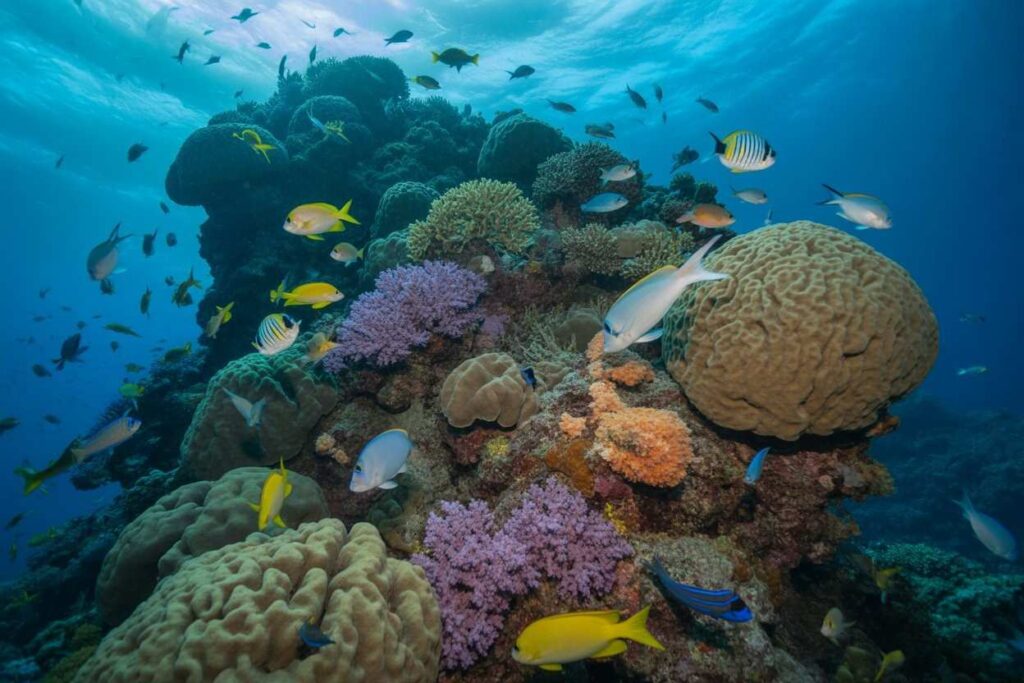
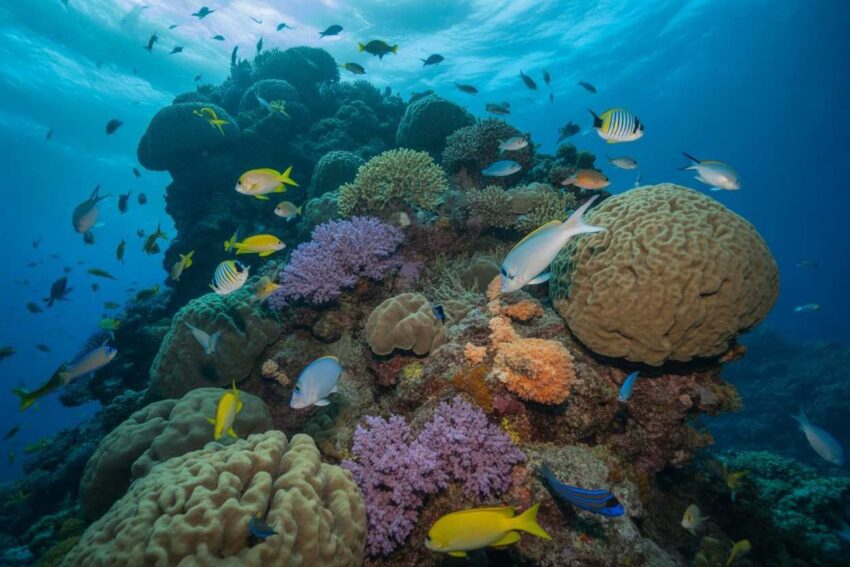
Thrive 2030 Phase 2 embeds environmental stewardship as a cornerstone of Australia tourism, with investments safeguarding biodiversity hotspots. Funding enhances iconic sites, enabling resilient tourism experiences that withstand climate pressures while drawing eco-conscious global audiences. Official platforms highlight how these measures elevate tourism quality, promoting low-impact adventures in the Daintree Rainforest and Kakadu National Park, thereby securing long-term viability for natural attractions.
Advertisement
Advertisement
The plan’s sustainability pillars directly influence tourism trajectories, encouraging operators to adopt green certifications and carbon-neutral practices. Regional Australia tourism benefits immensely, as preserved ecosystems support adventure sectors like hiking in the Blue Mountains and wildlife tours in Western Australia, driving premium pricing and repeat visitation.
Regional Dispersion Boosts Inclusive Tourism
Phase 2 of Thrive 2030 champions decentralized Australia tourism, channeling resources to outback territories and island states for equitable growth. Government collaborations with states amplify infrastructure in high-potential zones, profoundly impacting tourism by unlocking hidden gems from the Kimberley to Tasmania. Enhanced connectivity disperses crowds, enriching local livelihoods through farm stays and cultural immersions that define authentic Australia tourism.
Advertisement
Advertisement
This focus generates ripple effects across tourism, with regional hubs capturing larger market shares via improved roads, accommodations, and digital booking systems. Australia‘s visitor economy thrives as families and adventurers explore beyond Sydney and Melbourne, bolstering remote communities’ resilience.
Workforce Development Powers Tourism Excellence
Investments in skills training under Thrive 2030 fortify Australia tourism‘s human capital, addressing shortages with targeted programs for hospitality and guiding roles. Phase 2 initiatives equip workers with digital tools and customer service expertise, ensuring seamless experiences that elevate tourism satisfaction nationwide. Official efforts prioritize inclusive hiring, particularly in First Nations-led ventures, fostering cultural authenticity that captivates international markets.
The impact on tourism is profound, as a skilled workforce delivers personalized encounters, from indigenous storytelling in the Northern Territory to luxury safaris in South Australia, driving higher spend and glowing reviews that fuel organic growth.
First Nations Integration Enriches Tourism Narrative
Thrive 2030 Phase 2 weaves First Nations perspectives into Australia tourism, promoting experiences rooted in ancient heritage across the continent. Government support for community operators enhances storytelling trails and art centers, diversifying tourism offerings and impacting sectors by attracting culturally curious demographics. Sites like Uluru and Arnhem Land gain prominence, blending education with adventure to deepen visitor connections.
This integration revolutionizes Australia tourism, generating authentic narratives that differentiate the nation globally while empowering indigenous economies through equitable partnerships and revenue sharing.
Marketing Momentum Ignites Global Tourism Demand
A dollar one hundred thirty million infusion into Tourism Australia’s campaigns supercharges Thrive 2030 Phase 2, targeting key markets with tailored narratives on Australia‘s diverse allure. Digital innovations and events funding amplify visibility, directly boosting tourism arrivals to events in Perth and festivals in Cairns. The strategy’s emphasis on quality over quantity ensures high-yield visitors, optimizing tourism returns across states.
Australia tourism surges as refreshed branding highlights sustainability and inclusivity, converting awareness into bookings for multi-week itineraries that span the Outback to the Reef.
Infrastructure Investments Sustain Tourism Surge
Strategic funding under Thrive 2030 upgrades visitor facilities, from airport expansions to trail networks, underpinning Phase 2’s vision for frictionless Australia tourism. Enhancements at marquee destinations like the Great Ocean Road accommodate rising volumes, impacting tourism by extending dwell times and ancillary spending in local towns. Government oversight ensures projects align with resilience goals, mitigating risks from disasters.
These developments cement tourism as an economic powerhouse, with improved access propelling growth in emerging hotspots like the Flinders Ranges.
Future Horizons for Australia’s Tourism Dominance
Thrive 2030 Phase 2 charts a bold path for Australia tourism, with acceleration tactics building on early successes to hit 2030 targets. Official roadmaps project exponential gains through tech adoption and market diversification, profoundly shaping tourism into a dollar two hundred thirty billion juggernaut. Regional empowerment and sustainability will define Australia‘s global standing, inviting the world to its boundless horizons.
