
North Macedonia serves both as a transit route and a destination market for wildlife trafficking, including protected species such as the Balkan lynx and brown bear.
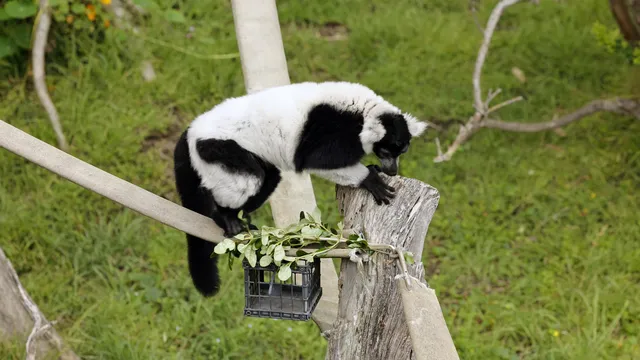
Exotic animals such as llamas, lemurs, ostriches, African goats and monkeys are increasingly appearing in online sales ads and even as decorative attractions in restaurants across North Macedonia, Le Courrier des Balkans reported. Traders also offer pheasants, partridges and various bird species on social media platforms.
Images often show poor living conditions, raising suspicions of illegal wildlife trafficking — a serious criminal offense under international and European law. North Macedonian legislation provides for fines or prison sentences of up to three years for illegal hunting, possession and sale of wild animals. As a signatory to CITES, the country regulates wildlife trade through permits issued by the Environment Ministry.
According to the 2025 Global Organized Crime Index, North Macedonia serves both as a transit route and a destination market for wildlife trafficking, including protected species such as the Balkan lynx and brown bear. NGOs confirm that the trade involves exotic species as well as pedigree cats and dogs. Animal rights activists report cases of wolves kept on leashes in restaurants and even bears raised as pets, with authorities allegedly failing to act on complaints.
Official data show limited prosecutions — only five people faced criminal complaints over the past two years. However, CITES records indicate significant discrepancies between export figures reported by North Macedonia and those declared by importing countries. For example, 120 wolves were reportedly exported in five years, while destination countries recorded receiving only about half. Similar gaps appear in exports of Balkan lynx, bear cubs and especially turtles.
More than 100,000 turtles were exported over five years, yet importing countries reported receiving just over half. The CITES Red List warns that such discrepancies suggest large-scale illegal trade, possibly masked by licensed turtle farms. Weak enforcement, regulatory gaps and the country’s position along Mediterranean trafficking routes further compound the problem.
North Macedonia also lacks facilities to house confiscated wildlife, leaving many rescued animals without viable placement options. | BGNES