
Published on
February 16, 2026
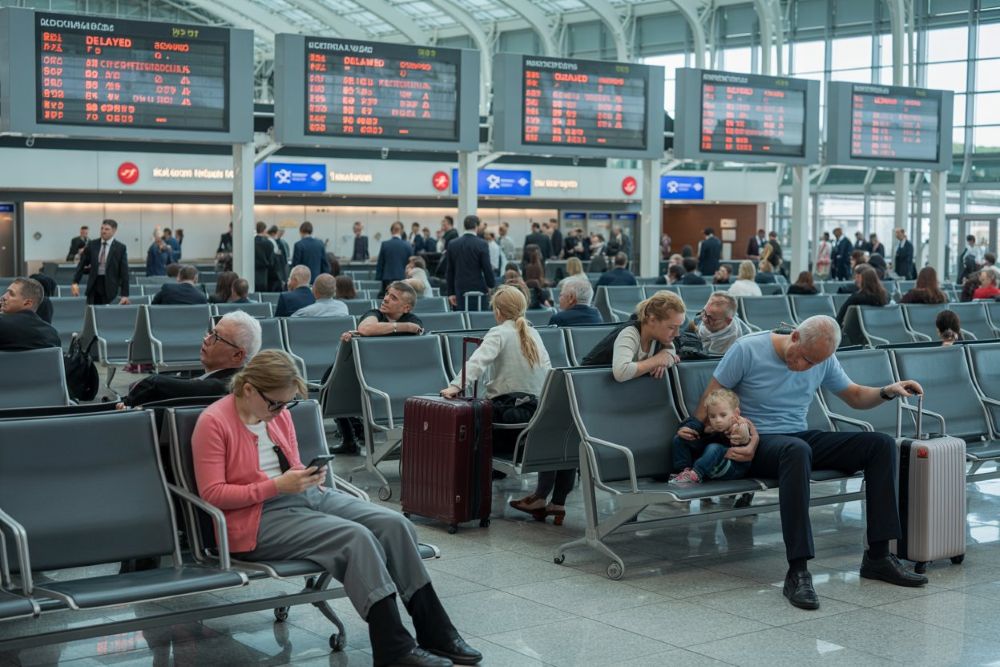
Image generated with Ai
Travel disruptions at Belgrade Nikola Tesla Airport have caused significant delays and cancellations, affecting a wide range of airlines and passengers. With 58 delays and four cancellations, airlines like Air Serbia, Wizz Air, Turkish Airlines, Swiss, and KLM have been severely impacted. These delays have not only disrupted flights from Belgrade but have also caused ripple effects across several European countries, including the Serbia, UK, Austria, Spain, and France. The disruptions have led to chaos for travelers heading to major cities such as Amsterdam, Vienna, Barcelona, Munich, London, and Istanbul. As these airlines deal with the ongoing issues, passengers are left scrambling for alternative arrangements. Air Serbia, Wizz Air, and other carriers are working hard to rebook travelers, but the ongoing disruptions continue to affect the smooth flow of travel.
Overview of Disruptions at Belgrade Nikola Tesla International Airport
The total number of delayed flights at Belgrade Nikola Tesla International Airport stands at 24, representing 20% of the total flights affected. Meanwhile, 2 cancellations have been reported, which accounts for 1% of total operations.
These disruptions are not isolated to Belgrade, as they ripple across numerous European and international airports and airlines, affecting key travel hubs and holiday destinations. With various airlines involved in the delays and cancellations, passengers across a wide array of routes are experiencing interruptions in their travel plans.
Breakdown of Disruptions by Airlines and Origin Airports
Several airlines have been impacted by delays at Belgrade Nikola Tesla International Airport, with Air Serbia and Wizz Air experiencing the most significant disruptions. The airlines have been contributing to both the delays and cancellations, with passengers primarily affected on routes departing from Belgrade to various European cities.
Advertisement
Advertisement
Air Serbia, the national carrier, has accounted for a significant portion of the delays at BEG, with 37 delays (35% of total delays). This was followed by Wizz Air, with 7 delays (24% of total delays). Other affected airlines include KLM, Turkish Airlines, and Swiss, all contributing to the disruptions. The Belgrade Nikola Tesla International (BEG) hub remains central to many of these issues, as numerous flights from the airport, particularly to major European destinations, have been delayed or cancelled.
Affected Airports and Cities Across Europe
Delays are not confined solely to Belgrade. A range of European airports have been affected, including:
Advertisement
Advertisement
- Barcelona International (BCN), Geneva Cointrin International (GVA), and Zurich (ZRH) airports, each reporting delays in the range of 33% to 66%.
- Munich International (MUC), London Luton (LTN), and Krakow International (KRK) also saw delays of up to 100%, significantly impacting travelers across the region.
Cities such as Athens, Stockholm, Vienna, and Istanbul have also seen disruptions, as evidenced by delayed flights departing to these cities, with a mix of delays ranging from 20% to 50% for various routes.
What Affected Passengers Can Do Now
Passengers whose flights have been delayed or cancelled should take several steps to manage their travel plans:
- Contact Airlines for Updates: Passengers should immediately reach out to their airline’s customer service to confirm the status of their flights. This is essential for understanding if the flight is indeed cancelled or delayed for an extended period.
- Seek Compensation: Depending on the nature of the disruption and the airline, passengers may be entitled to compensation for cancellations and significant delays. Passengers should inquire about compensation policies under EU regulation 261/2004 if they are flying within the EU.
- Rebook Flights: For passengers facing cancellations, airlines are typically responsible for rebooking flights on the next available service. Travelers should make sure they are rebooked on an alternative flight as soon as possible.
- Prepare for Extended Waits: As a result of delays and cancellations, passengers should prepare for extended waits at the airport. It’s advisable to check with the airline for any vouchers or services available to help pass the time, including meals or hotel accommodation if overnight stays are required.
- Monitor Alternative Routes: In cases where flights from Belgrade Nikola Tesla International Airport are significantly delayed or cancelled, passengers may consider looking into alternative airports or nearby cities as potential departure points. Major hubs like Vienna, Budapest, and Zagreb may offer alternative routes to the same destinations.
Conclusion
Today’s disruptions at Belgrade Nikola Tesla International Airport are part of a larger ripple effect across European air travel. With 58 delays and 4 cancellations in total at the airport, travelers are facing significant disruptions to their plans. While the primary focus has been on Air Serbia and Wizz Air, all travelers impacted by these delays should stay informed, seek assistance from their airlines, and explore compensation options where applicable. These disruptions are a reminder of the challenges passengers face when traveling through major airports, especially during peak seasons.
Source: FlightAware and affected airports
