
Published on
February 12, 2026
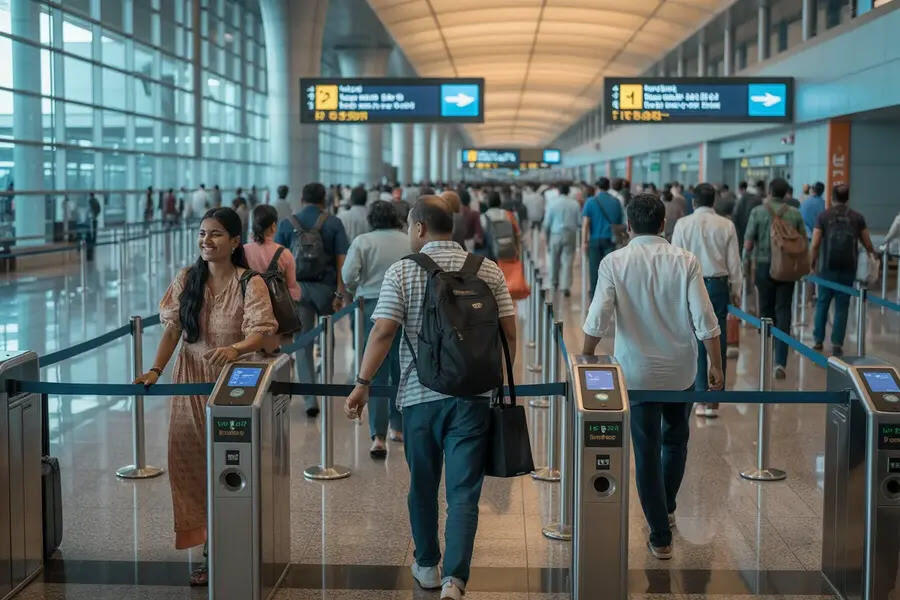
Image generated with Ai
Kenya, Algeria, Armenia, North Macedonia, Fiji, and Uruguay have joined forces with 160 other countries in India’s e-Tourism expansion, a move that promises to revolutionize global travel and tourism. This collaboration is set to ignite economic growth worldwide by utilizing digital platforms to improve accessibility and streamline tourism processes. By embracing e-Tourism, these nations are driving a wave of innovation in the tourism sector, fostering seamless international travel experiences, and contributing to a thriving global economy. India’s leadership in this transformative initiative marks a major milestone in the digital future of tourism.
India’s electronic Tourist Visa (e-TV) programme has undergone a significant expansion, extending eligibility to 166 nationalities as of February 2026. Initially launched in 2014, the e-TV programme allows travelers to apply for an Indian visa entirely online, eliminating the need for time-consuming in-person visits to consulates. The programme, designed to streamline the visa process, now serves as a gateway to India for millions of tourists and business travelers around the world.
The recent expansion marks a milestone in India’s efforts to boost its tourism industry and promote economic growth. The addition of countries like Kenya, Algeria, Armenia, North Macedonia, Fiji, and Uruguay will open the doors for travelers from these regions to experience India’s vibrant culture, rich heritage, and diverse landscapes. The inclusion of these nations signals a clear intent to position India as a global hub for travel and tourism, supporting the nation’s broader economic goals.
A Seamless Experience for Global Travelers
The e-TV system has made visa application processes more convenient and efficient for travelers. Applicants can now submit their visa applications online and receive approval within as little as 72 hours, allowing for smooth entry into India. With the expansion of the e-TV programme, travelers from the newly added countries, alongside those from 160 other eligible nations, can bypass traditional consular procedures, saving valuable time and reducing the complexity of visa applications.
Advertisement
Advertisement
The e-TV programme covers a wide array of travelers, including tourists, business professionals, and event organizers. Business travelers, for example, benefit from the 90-day Business e-Visa, which is widely used for short-term project work, meetings, and after-sales support visits. The e-Conference sub-category is also available for event organizers, who can now apply for visas entirely online, provided their events are on the Ministry of External Affairs’ approved list.
This expansion is part of India’s broader push to enhance its global tourism appeal and increase its share in the rapidly growing international tourism market. It is also aligned with the goals of India’s Visit India 2026 campaign, which seeks to promote the country as a top travel destination.
Advertisement
Advertisement
Connecting More Countries to India’s Tourism Offering
The addition of countries like Kenya, Algeria, Armenia, North Macedonia, Fiji, and Uruguay reflects the government’s efforts to make India more accessible to emerging markets across the globe. These countries, while relatively underserved in traditional tourism infrastructure, present new opportunities for India to tap into a wider audience.
For instance, Kenya and other African nations are known for their rich cultural heritage and burgeoning tourism industries. By extending e-visa privileges to Kenyan travelers, India aims to attract more tourists from the African continent, where outbound tourism is on the rise. Similarly, the inclusion of countries like Algeria and North Macedonia opens up possibilities for greater cultural exchange, deepening bilateral ties and encouraging mutual tourism growth between these countries and India.
Advertisement
Advertisement
In the Pacific region, Fiji brings new potential for tourism collaboration, especially with India’s growing interest in the Southeast Asia and Pacific markets. Travelers from Fiji and neighboring countries can now explore India’s bustling cities, sacred sites, and scenic landscapes, all with the ease of the electronic visa system.
For Uruguay, this move represents an exciting opportunity for business and leisure travel. Uruguay’s affluent middle class is eager for international travel experiences, and India’s unique offerings will likely appeal to this demographic, further strengthening economic ties between South America and India.
Enhancing India’s Position in the Global Tourism Market
The expansion of the e-TV programme is expected to boost India’s tourism industry, which is a critical contributor to the country’s GDP. India has long been a major destination for international tourists, drawing millions annually for its world-famous landmarks like the Taj Mahal, Qutub Minar, and the Golden Temple. However, the complexity of visa applications and the associated waiting time have often deterred potential visitors.
With the introduction of the e-TV system, this issue has been largely mitigated. The ability to apply for a visa online, coupled with the quick approval process, has made it easier than ever for international travelers to visit India. The country’s tourism sector stands to benefit significantly from this change, especially as more people from emerging markets begin to explore new international destinations.
India’s e-TV expansion not only enhances the country’s tourism but also its economic prospects. As the global middle class continues to grow, particularly in emerging markets, more people are expected to travel abroad for both leisure and business. The introduction of simplified travel processes like the e-TV system positions India to attract more tourists, thereby increasing revenue from tourism and related sectors like hospitality, retail, and transportation.
Technological Integration: AI and Biometric Solutions for a Smoother Experience
To complement the e-TV system and improve the overall travel experience, India has also implemented cutting-edge technologies such as biometric Fast-Track Immigration and the Trusted Traveler Programme (FTI-TTP). With FTI-TTP now operational at 13 international airports across India, e-visa holders can clear automated e-gates in under 30 seconds, reducing wait times and making the immigration process faster and more efficient.
This technological integration ensures that travelers experience a seamless and hassle-free entry into the country, which is critical for maintaining a competitive edge in the global tourism market. The biometric system, which is tied to the e-TV programme, helps enhance security measures and makes the process even more streamlined for frequent travelers.
A Significant Shift in India’s Visa Strategy
The growth of India’s e-TV programme is also indicative of a broader shift in the country’s visa strategy. Before the pandemic, only 68 nationalities were eligible for the e-TV. Since then, the number has increased steadily, with 166 countries now included. This shift not only highlights the Indian government’s commitment to making travel easier for international visitors but also underscores its awareness of the growing competition in the global tourism market.
Increased access to India through the e-TV system is expected to fuel a surge in inbound tourism, creating opportunities for local businesses to tap into the expanding travel market. Hotels, tour operators, and other tourism-related businesses will benefit from the influx of visitors, especially in major tourist hubs like Delhi, Mumbai, and Bangalore, which will see increased footfall due to the ease of travel.
Future Outlook: Expanding the e-TV Programme
Looking ahead, it is likely that India will continue to expand its e-TV programme as part of its ongoing efforts to increase tourism and strengthen economic ties with the global community. Further additions to the list of eligible countries are expected, particularly as India continues to enhance its infrastructure and tourism offerings.
Moreover, as India enters the post-pandemic era, the e-TV programme offers a significant competitive advantage. With the global tourism industry steadily recovering, India is well-positioned to welcome millions of new visitors in the coming years, further solidifying its position as one of the world’s most sought-after destinations.
India’s expansion of its electronic Tourist Visa programme to 166 nationalities marks a major milestone in the country’s tourism and economic growth strategy. By simplifying the visa process and increasing access for travelers from a diverse range of countries, India is set to benefit from an influx of international visitors, driving growth in the tourism sector and beyond. This strategic move, combined with the country’s ongoing efforts to improve infrastructure and leverage technology, places India at the forefront of the global travel industry. As more countries join India’s e-TV programme, the future of Indian tourism looks brighter than ever.
Kenya, Algeria, Armenia, North Macedonia, Fiji, and Uruguay have joined India’s e-Tourism expansion, aligning with 160 countries to revolutionize global travel. This collaboration will drive economic growth by enhancing digital accessibility and fostering seamless international tourism.
This move will not only strengthen India’s position in the global tourism market but also foster deeper cultural and economic connections with countries across the world. By continuing to embrace digital solutions and innovative travel policies, India is poised to lead the way in the global tourism boom.
