
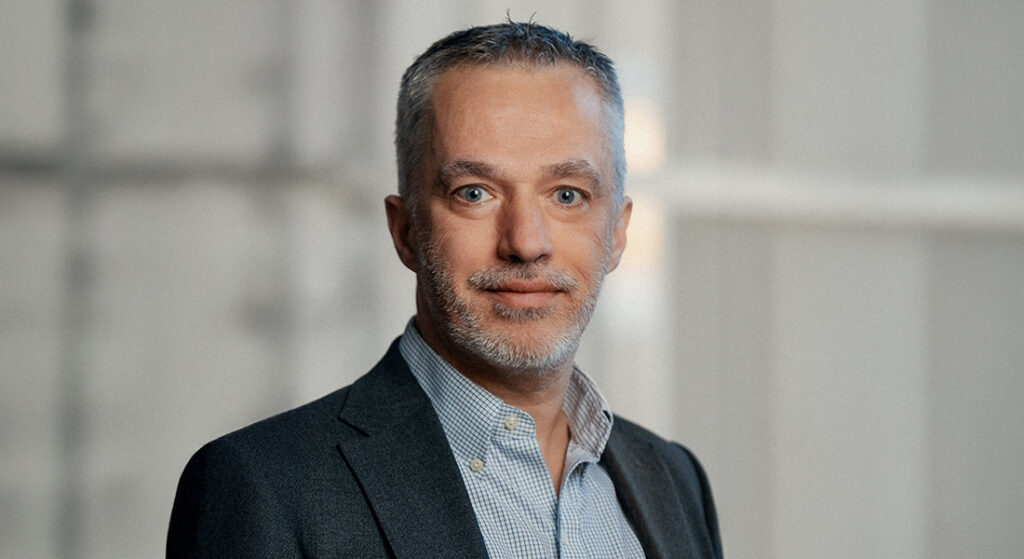
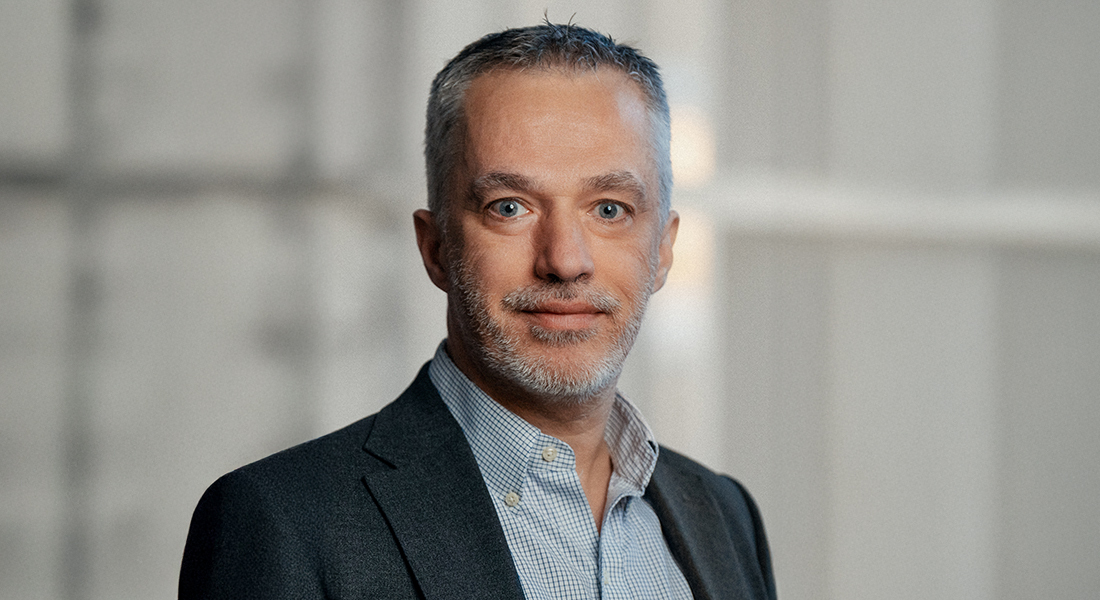
 Jeppe Starup, PenSam: prioritising Europe over the US for real assets
While Denmark’s PenSam is concerned about the impact of instability in the US on infrastructure assets, the retirement plan is sanguine about its private equity holdings there, amid a rising trend of investors rethinking American allocations.
Jeppe Starup, head of real assets at PenSam, said the instability under President Donald Trump was less likely to affect the fund’s US private equity-owned companies than, for instance, renewable energy investments. What’s more, Europe doesn’t offer the same depth of PE opportunities, he told Private Equity International this month.
Tensions between the two countries are running high after recent threats from Washington about seizing Greenland, a territory of Denmark. Danish pension fund boards are now considering whether and how they might reduce their US asset exposure, according to multiple sources, alongside government pressure to invest more domestically.
PenSam is certainly prioritising Europe over the US for real asset investments. However, Starup said: “With our private equity investments, we’re not as concerned as to Trump waking up one day and saying something that will materially disrupt our portfolio.”
The DKr202 billion ($32 billion; €27 billion) fund’s overseas holdings of both real assets and private equity are very US-heavy, he added, “but we do not intend to make significant changes to regional exposure”.
“Our allocation plans would not really allow us to do that, and the opportunity set is not attractive enough in the European market to do that in any case,” Starup said. “The US is a much deeper market.”
That reflects the thinking of at least one other Danish pension plan, a private equity investor told PEI on condition of anonymity.
PenSam’s private equity programme and part of its infrastructure programme are focused on co-investments nowadays, Starup added. Separately managed accounts “allow for more flexibility in terms of allocation and deployment pace”.
On the private equity side, for instance, “we just don’t see US tariff actions significantly hurting the companies we are invested in”, Starup said. “[We run] a middle-market buyout strategy. These companies can adapt more easily [than many larger peers], as they are not as export-oriented. I think they will fare better, at least from a policy action point of view.”
PenSam, which manages pension schemes for companies in healthcare, cleaning and technical services, charts a “more steady course in private equity” than for its real asset portfolio, said Starup. That’s because “we kind of see ourselves flying under the radar [in PE]. There we can isolate the risk more to currency risk. We can hedge the dollar or at least form a view as to how much we’re going to hedge the dollar exposure.”
As an example, the Danish fund plans to double its foreign real estate portfolio in the next few years, prioritising European investments, as affiliate title PERE reported. The DKr3 billion overseas property allocation is around 80 percent in the US and 20 percent in Europe at present, while it has DKr15.2 billion in domestic real estate.
Danish institutions are not alone in considering – or indeed proceeding with – diversifying from American investments, though they face the challenge that the US is often the deepest and most mature market for illiquid assets.
Dutch pension fund giant APG has been re-assessing its US exposure and German family office Perpetual expects to reduce its infrastructure investment there, the institutions told affiliate titles Private Debt Investor last year and Infrastructure Investor this year, respectively.
The Danish government is calling for domestic pension schemes to invest more at home. That push started with a growing focus on defence spending and has broadened out this year to include other areas, especially new technologies.