
Published on
February 16, 2026
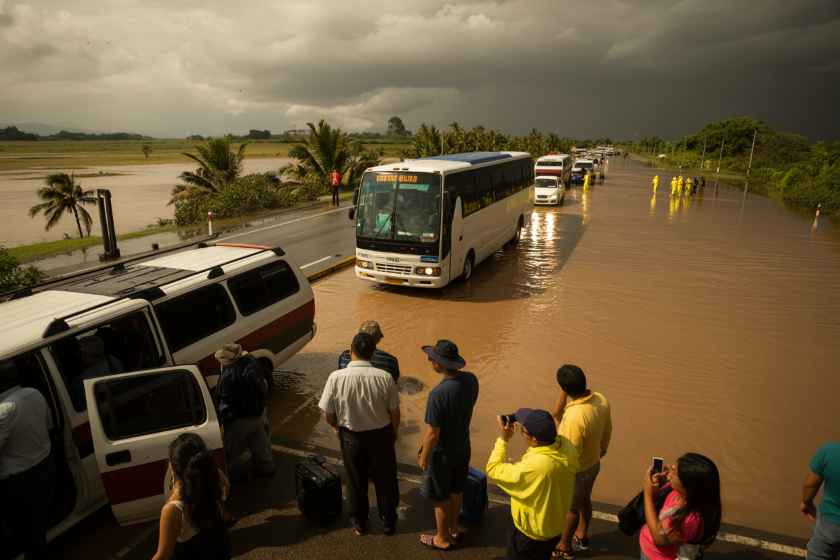
Image generated with Ai
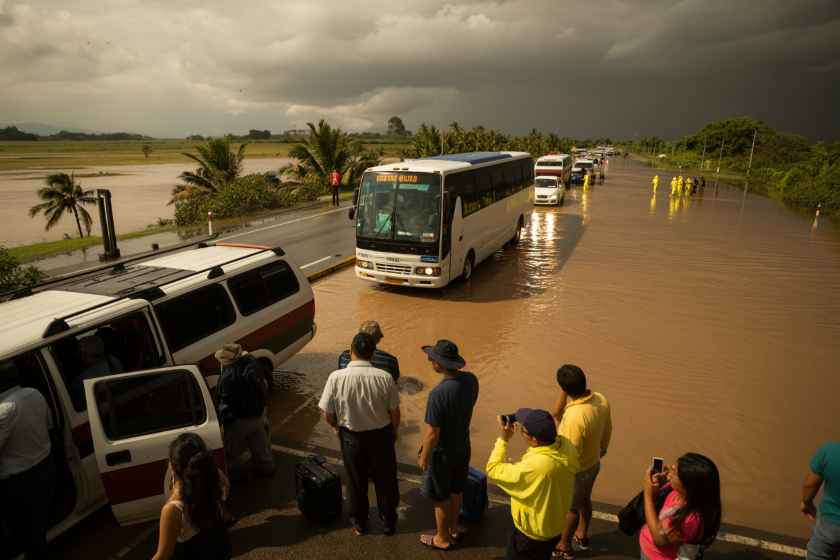
Northern Colombia is grappling with unprecedented flooding due to unusually heavy rainfall, creating significant disruptions for both locals and tourists. The disaster has particularly impacted the Córdoba department, where over 156,000 people have been affected, and 80% of the region remains submerged. As the country experiences one of its worst environmental crises in recent years, the tourism sector, an essential part of Colombia’s economy, faces extensive delays and cancellations.
This major weather event, exacerbated by atypical rainfall patterns, has made travel in the affected areas increasingly difficult. Floodwaters have inundated entire communities, caused widespread infrastructure damage, and left entire neighbourhoods without power or services, especially in key tourist destinations like Santa Marta and Cartagena.
Flooding Hits Key Tourism Regions Along Colombia’s Caribbean Coast
The heavy rains have disrupted travel to popular coastal destinations like Santa Marta and La Guajira, which are usually bustling with tourists drawn to Colombia’s beaches and natural reserves. Santa Marta, known for its proximity to the Tayrona National Park and the Lost City Trek, has suffered major disruptions. Strong winds and high waters even forced a cargo vessel ashore, underscoring the intensity of the storms.
In La Guajira, travelers seeking to visit the desert landscapes or the Kogi Indigenous communities are facing mobility restrictions, with many roads completely washed out or impassable. Magdalena, another key region in the north, has seen streams overflow, paralyzing access to beaches and other popular tourist sites. Colombian tourism officials are warning tourists to exercise caution and check current travel advisories before visiting the affected areas.
With more rain forecast for the coming weeks, the tourism industry in these regions is facing a long recovery. Local hotels, tour operators, and airlines are working to navigate the impacts on services, but many visitors are finding themselves stranded or rerouted due to flight cancellations and road closures.
Advertisement
Advertisement
Impact on Domestic and International Travel: Disrupted Flight Routes
The devastation caused by the flooding has left some regional airports, including those in Córdoba and Magdalena, unable to function at full capacity. Flight cancellations and delayed services have left travelers unable to access the tourist hotspots in the region. For those looking to visit the Caribbean coast of Colombia, including Santa Marta and Cartagena, significant delays in domestic air travel have occurred due to adverse weather conditions and compromised runway conditions.
International tourists planning to visit Colombia via Bogotá or Cartagena airports are facing further disruptions. Bogotá’s El Dorado International Airport has seen delays in connecting flights to regional destinations affected by flooding. Hurricanes and tropical storms have been reported across the Caribbean, limiting international routes from countries like the U.S., Mexico, and Europe.
Travelers flying into or out of Santa Marta and Córdoba may also face difficulties as airport operations resume slowly, and further weather conditions could affect flight schedules. Given the uncertainty of the situation, travelers are encouraged to check directly with airlines for updates on delays or cancellations.
Humanitarian Crisis Deepens, Tourism Assistance Measures Deployed
While the immediate priority is the humanitarian crisis, tourism stakeholders are working with local authorities to assist stranded travelers and ensure their safety. In Córdoba, the National Unit for Disaster Risk Management (UNGRD) has been mobilized to offer support to those displaced by the floods, and international humanitarian organizations are coordinating with the government to provide immediate relief.
The rising number of displaced families has led to a public health emergency, as overcrowded shelters struggle to cope with the surge in evacuees. Waterborne diseases and respiratory illnesses are now common in the temporary shelters, with many visitors to affected regions advised to avoid certain areas until conditions improve.
Opportunities for Future Travel: Understanding Colombia’s Resilience
Despite the current travel disruptions, Colombia remains one of South America’s top travel destinations, known for its natural beauty, rich culture, and vibrant cities. Areas unaffected by flooding, such as Bogotá, Medellín, and Cali, continue to operate normally, offering tourists a chance to explore Colombia’s cultural offerings.
For those looking to visit Colombia in the near future, it’s crucial to stay updated on regional conditions and weather advisories. As recovery efforts unfold, local tourism authorities are working hard to restore access to flood-impacted regions, ensuring that Colombia remains an attractive option for travelers.
Additionally, the government’s focus on improving water management and climate resilience will play a pivotal role in mitigating future disruptions, offering tourism industry professionals and tourists a sense of hope for sustainable and secure travel in the coming years.
Looking Ahead: What’s Next for Colombia’s Tourism
As Colombia faces its most significant climate challenge in years, the country’s tourism sector will need to adapt and recover. For the next several months, travelers should expect delays and changes to travel schedules, particularly in the northern regions affected by the floods.
However, Colombia’s tourism infrastructure remains resilient, and many areas remain open to visitors. With the floodwaters receding and government recovery efforts underway, it’s anticipated that the Caribbean coast and other popular destinations will be welcoming tourists once again, with improvements to infrastructure and services helping to create a stronger, more sustainable tourism model.
In Conclusion: Preparing for Travel in Colombia Amid Flood Recovery
While flooding and travel disruptions in northern Colombia have posed a challenge to the tourism sector, the country’s long-standing appeal as a travel destination remains intact. For those planning to visit, staying informed and flexible is key, as Colombia navigates this crisis and prepares for a full recovery in the tourism sector.
