
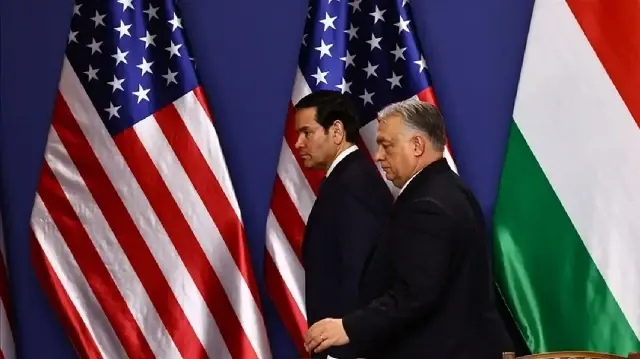
The United States solidified strategic energy partnerships with Slovakia and Hungary on Monday, signing civil nuclear accords during Secretary of State Marco Rubio’s visit to Bratislava and Budapest. The agreements advance deployment of American nuclear technology in Central Europe, strengthening what the State Department described as “mutual security interests in the region” while creating substantial economic opportunities for US vendors.
Slovak Reactor Development and Hungarian Framework
Washington will provide funding for preconstruction work on a new Westinghouse large reactor in Slovakia through the Foundational Infrastructure for Responsible Use of Small Modular Reactor Technology Program, which assists nations in developing safe nuclear energy infrastructure. In Budapest, Rubio signed the US-Hungary Civil Nuclear Intergovernmental Agreement, establishing a framework for “decades of cooperation” and positioning Hungary as a regional hub for small modular reactor development.
Economic Impact and Strategic Rationale
The combined agreements represent more than $15 billion in business opportunities for American companies and support thousands of US jobs, according to the State Department readout. Officials emphasized the accords “pave the way to improve the region’s energy security, grow industrial strength, and meet emerging tech competitiveness goals, like powering and harnessing AI.” The deals underscore Washington’s commitment to supporting allied security objectives through innovative nuclear technologies amid intensifying global competition over energy resources and advanced manufacturing capabilities.