
Published on
February 17, 2026
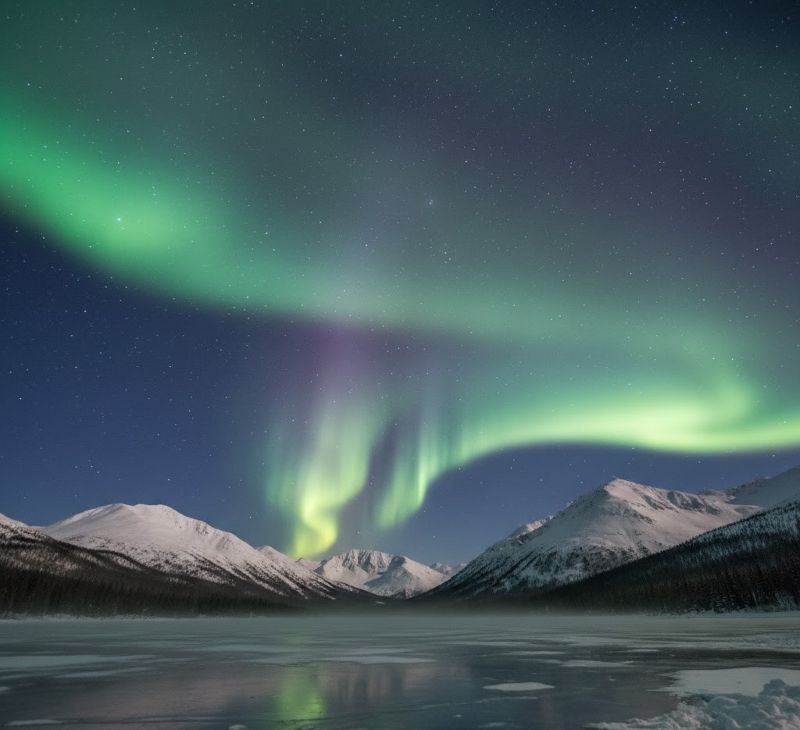
Image generated with Ai
The year 2026 is expected to be a groundbreaking one for those seeking to witness the breathtaking beauty of the Aurora Borealis (Northern Lights) and Aurora Australis (Southern Lights). This surge in auroral activity is primarily due to the solar maximum of Solar Cycle 25, which marks a period of heightened solar activity. The Sun’s increased output results in stronger solar winds, more frequent solar flares, and intense coronal mass ejections (CMEs). As these solar particles interact with Earth’s magnetic field, it leads to stunning and more frequent auroral displays than in most years. Consequently, the period from 2025 to 2026 represents a perfect opportunity for travelers to witness these awe-inspiring natural phenomena.
Solar Activity Drives Aurora Displays
Both the Aurora Borealis and Aurora Australis are caused by solar particles interacting with the Earth’s magnetic field. These spectacular light shows appear at opposite poles of the Earth, creating visible distinctions in the regions where they can be observed. The Aurora Borealis is visible in the Northern Hemisphere, with Swedish Lapland and Alaska being prime locations. Conversely, the Aurora Australis graces the Southern Hemisphere, with regions like Tasmania and southern New Zealand offering the best views.
Due to the heightened solar activity expected in 2026, these auroras are projected to be more intense and visible than ever. The increased solar energy will result in vibrant and striking light displays that will captivate those lucky enough to witness them, making the year a truly unforgettable experience.
Advertisement
Advertisement
Best Times and Locations for Viewing the Auroras
The best time to view the Aurora Borealis or Aurora Australis is during the winter months, particularly around the equinoxes, when geomagnetic activity peaks. During this period, the interaction between the solar wind and the Earth’s atmosphere is most intense, resulting in enhanced visibility and greater intensity of the auroras. Key viewing locations for the Aurora Borealis include Swedish Lapland, Norway, Alaska, Canada, and Iceland in the Northern Hemisphere. In the Southern Hemisphere, the Aurora Australis is best viewed in Tasmania, New Zealand, and the Antarctic. These regions are expected to become the top destinations for aurora chasers who are eager to experience these natural light displays at their most spectacular.
Advertisement
Advertisement
Aurora Viewing Highlights:
- Swedish Lapland: Known for its remote wilderness, clear skies, and ideal conditions for viewing the Northern Lights.
- Alaska: Famous for its snow-covered landscapes, dog sledding, and ice hotels, along with the opportunity to witness the Northern Lights in all their glory.
- Tasmania: A largely uninhabited island that provides perfect conditions for viewing the Aurora Australis without interference from city lights.
- Southern New Zealand: A pristine and peaceful environment, offering a serene atmosphere for viewing the Southern Lights, with fewer crowds than other aurora hotspots.
Impact of the 2026 Solar Activity on the Tourism Industry
Advertisement
Advertisement
With the increased solar activity expected to create more frequent and intense auroral displays in 2026, tourism to aurora hotspots is set to rise significantly. Areas like Swedish Lapland, Alaska, Iceland, and Tasmania will likely see a surge in visitors eager to witness the Northern Lights and Southern Lights. This growing demand will lead to an increase in the need for tour packages, accommodation, and guided tours that cater specifically to aurora tourism.
This spike in interest will not only benefit the local economies of these regions but also provide opportunities for local businesses to capitalize on the influx of tourists. As aurora tourism grows, more travelers will be spending on lodging, local experiences, and food, boosting the economy. Swedish Lapland, for example, is likely to see a greater influx of visitors, which will result in higher demand for tailored activities focused on aurora viewing.
Key Tourism Benefits:
- Increased demand for specialized travel packages and guided aurora tours.
- Growth in accommodation bookings, from boutique hotels to specialized lodges.
- Economic benefits for local businesses, including those offering tours and local services.
Planning the Perfect Aurora Trip
While the opportunity to witness the Aurora Borealis or Aurora Australis is exciting, careful planning is essential for travelers to make the most of this rare experience. There are several factors to consider, such as weather conditions, light pollution, and the accessibility of remote locations. Proper preparation is crucial to ensuring optimal aurora-viewing conditions.
Aurora-related trips, particularly to remote locations, often come at a premium cost. Specialized tours and trips to areas with limited access can increase the cost of travel, but the unique experience of witnessing the auroras makes it a worthwhile investment for many. To ensure availability, early booking is recommended, as demand for these exclusive aurora-viewing trips is expected to be high. Travelers will also need to prepare for harsh weather conditions, as some of these regions are remote and difficult to access during peak seasons.
Key Considerations for Aurora Travel:
- Weather: Aurora seasons can be unpredictable, and travelers must plan for extreme conditions.
- Light Pollution: To ensure the best experience, travelers should opt for remote locations far from urban light interference.
- Specialized Tours: Guided tours will ensure that travelers maximize their chances of witnessing the auroras.
A Growing Global Fascination with Aurora Viewing
With an increase in solar activity, 2026 is set to see a rising interest in aurora tourism, not only among travelers from the Northern Hemisphere but also from those in the Southern Hemisphere. As the solar maximum intensifies, it is expected that regions known for their aurora displays will experience a surge in both domestic and international visitors. This surge will bring significant benefits to local economies, especially in areas where eco-tourism plays a major role.
Destinations like Tasmania and New Zealand are likely to see a growing number of eco-conscious travelers who are eager to witness the auroras in pristine environments. As demand for dark sky parks and natural, unspoiled settings increases, eco-tourism advocates will benefit from travelers seeking authentic and sustainable experiences. These locations will become even more popular with travelers seeking undisturbed views of the auroras.
Economic Opportunities for Local Communities
The expansion of aurora tourism will be a boon for local businesses in places like Swedish Lapland, Alaska, Iceland, and Tasmania. The influx of tourists will lead to higher spending on local services, including transportation, guided tours, and hospitality. This will stimulate economic growth and provide businesses with opportunities to cater to the increased demand.
Governments and tourism boards will likely push for increased promotion of these regions, further boosting interest and opportunities for local businesses. The growing number of travelers will drive the expansion of tourism infrastructure, including accommodation options and transportation services, to meet the rising demand.
Economic Impact Highlights:
- Boosted local economies due to higher spending by tourists on local goods and services.
- Growth in small businesses, such as those providing local tours, guides, and artisanal goods.
- Expansion of regional infrastructure to accommodate increased tourist numbers.
Top Destinations for Aurora Viewing
Swedish Lapland: Known for its remote wilderness, clear skies, and optimal conditions for viewing the Northern Lights, Swedish Lapland is a top destination for aurora enthusiasts. Travelers can also enjoy unique winter activities such as reindeer safaris and ice fishing.
Alaska: Alaska is renowned for its snow-covered landscapes and the opportunity to experience the Northern Lights in full splendor. Adventurers can also engage in activities like dog sledding and staying in ice hotels, combining thrilling experiences with the chance to view the auroras.
Tasmania: A remote island with an almost uninhabited environment, Tasmania offers ideal conditions for viewing the Aurora Australis. The island’s lack of light pollution makes it an ideal setting for aurora enthusiasts seeking an authentic experience.
Southern New Zealand: Known for its pristine environments, southern New Zealand offers an incredible opportunity to view the Southern Lights in a serene and relatively undiscovered location. Fewer crowds make it an ideal choice for those seeking a peaceful and unspoiled experience.
A New Era for Aurora Tourism
2026 is expected to be an extraordinary year for those interested in aurora tourism, with solar maximum conditions ensuring that both the Aurora Borealis and Aurora Australis will be visible more often and with more intensity. This increase in auroral activity will lead to a significant rise in tourism to prime aurora-viewing locations, benefiting local economies in regions such as Swedish Lapland, Alaska, Iceland, Tasmania, and New Zealand. As the popularity of eco-tourism continues to grow, travelers will increasingly seek out pristine environments to witness the auroras, ensuring the sustainability of these light displays for generations to come. The surge in aurora tourism will provide a major boost to local businesses and foster the growth of sustainable travel practices, all while offering travelers a chance to experience one of Earth’s most incredible natural phenomena.
