
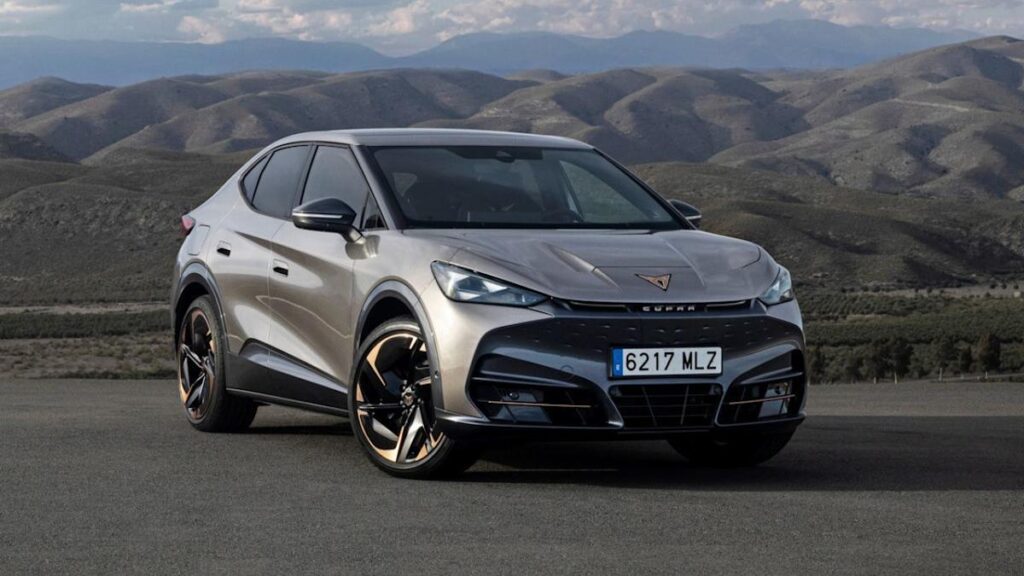
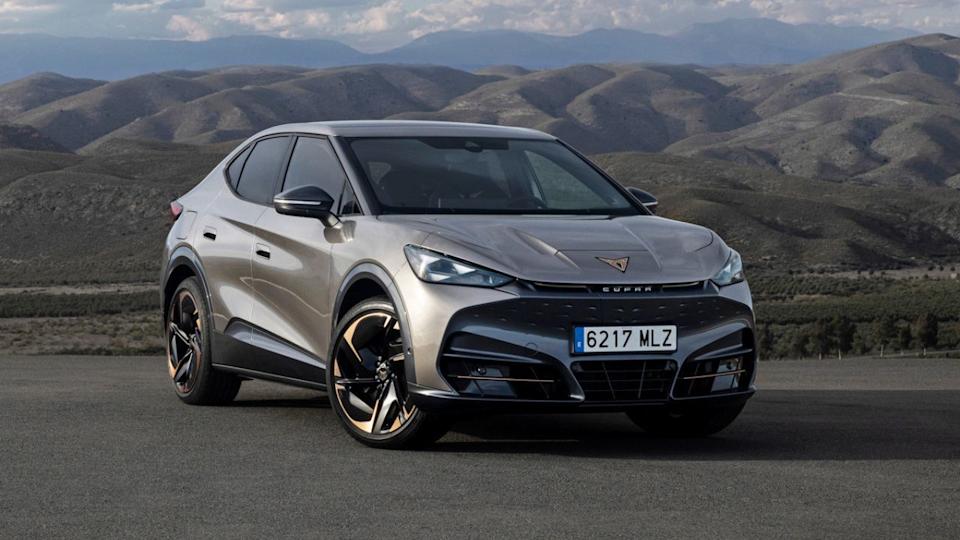
Photo Courtesy: Autorepublika.
The European Union is beginning to approve tariff exemptions for electric vehicles assembled in China even when the badge on the hood is European. The first clear example is the Cupra Tavascan, a Volkswagen Group model built in China that has now been cleared to enter the EU without the extra anti-subsidy duties introduced in 2024.
This matters because it signals a practical new path out of the tariff standoff that has been hanging over Chinese-made EV imports for nearly two years. Instead of paying an additional duty, an automaker can offer a formal price commitment that includes a minimum import price and limits on how many vehicles it will ship into the EU. If Brussels accepts that package, the model can be exempted from the extra duties.

Photo Courtesy: Cupra.
Until now, the Tavascan faced the EU’s standard 10% car import duty plus an additional 20.7% countervailing duty applied to many China-made battery electric vehicles, even though Cupra is a European brand under Volkswagen Group.
The European Commission has now accepted a price undertaking from Volkswagen (Anhui) Automotive Company Ltd. and its EU partner entity, SEAT S.A. That acceptance means Volkswagen (Anhui) can export the Cupra Tavascan into the EU as long as it is sold at or above an agreed minimum import price and within an agreed volume limit. In return, the model is exempt from the additional countervailing duties.
The Commission has not disclosed the exact minimum price or the quota, citing confidentiality, but it has confirmed that Volkswagen also committed to investing in significant battery electric vehicle-related projects inside the EU with defined milestones.
The EU’s original tariff move was aimed at addressing subsidy-related cost advantages and making Chinese-built EVs less price disruptive in Europe. The new minimum price approach is designed to reach a similar destination through a different mechanism. If imported EVs must meet a price floor and stay inside a volume cap, the argument is that they become less able to undercut EU-built alternatives while still allowing trade to continue under enforceable rules.
Industry analysts see the Tavascan decision as a test case that could shape what happens next, especially because it shows Brussels is willing to make model-specific deals rather than waiting for one broad political settlement.
The reaction from the China Chamber of Commerce to the EU has been that many manufacturers are ready to submit applications of their own, although some are cautious due to the data disclosure requirements and the administrative burden of the process.