
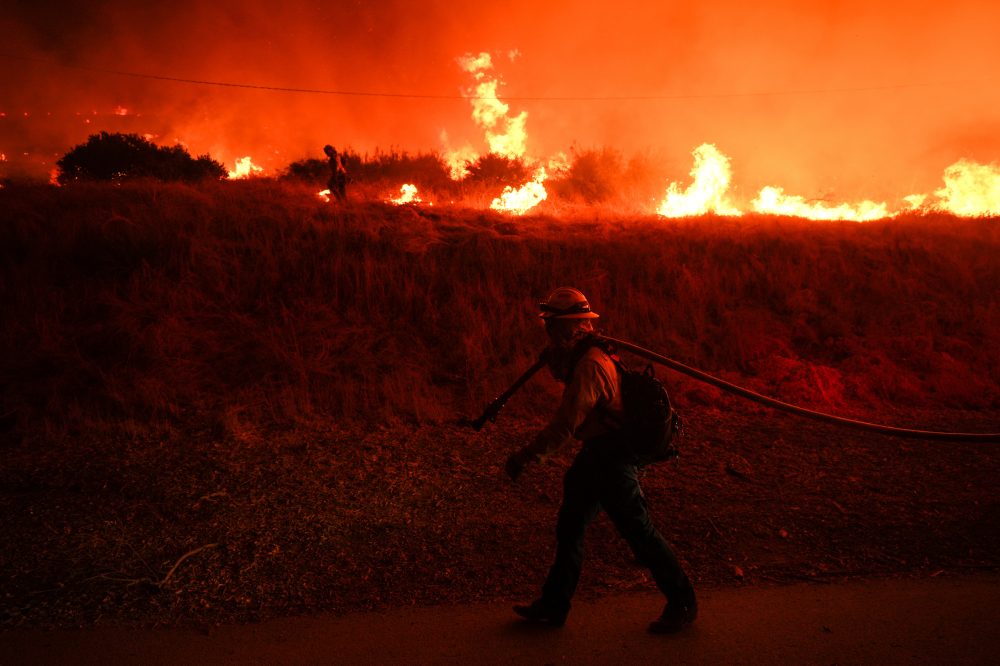
New research reveals that weather conditions ideal for sparking extreme wildfires have increased dramatically across the globe over the past 45 years. Scientists say human-caused climate change is responsible for more than half of this alarming trend, creating dangerous situations where multiple regions face fire threats simultaneously.
WASHINGTON — Weather conditions perfect for igniting massive wildfires have skyrocketed worldwide over the past four and a half decades, with dangerous fire weather days increasing by nearly three times, according to groundbreaking new research.
Scientists determined that human activities driving climate change account for more than 60% of this dramatic surge in fire-prone conditions.
The implications are sobering: as global temperatures continue rising, multiple regions worldwide are simultaneously experiencing the hot, dry, and windy conditions that fuel catastrophic blazes. This synchronized fire weather pattern means countries may lack sufficient firefighting resources when widespread fires erupt at once, and mutual aid from neighboring nations becomes unlikely when they’re battling their own flames, researchers warn in Wednesday’s Science Advances journal.
The data shows a stark escalation. Between 1979 and the mid-1990s, Earth experienced an average of 22 synchronized fire weather days annually for large-scale regional fires. By 2023 and 2024, that figure had jumped to over 60 days per year.
“These sorts of changes that we have seen increase the likelihood in a lot of areas that there will be fires that are going to be very challenging to suppress,” explained study co-author John Abatzoglou, a fire scientist at the University of California, Merced.
Rather than examining actual blazes, the research team focused on atmospheric conditions — elevated temperatures combined with powerful winds and parched air and terrain.
“It increases the likelihood of widespread fire outbreaks, but the weather is one dimension,” noted lead researcher Cong Yin, also from UC Merced. Fire requires additional elements including oxygen, combustible materials like vegetation and trees, plus an ignition source such as lightning strikes, arson, or human error.
Fire scientist Mike Flannigan from Thompson Rivers University in Canada, who wasn’t involved in the research, emphasized the study’s significance. He explained that extreme fire weather serves as the main driver behind escalating fire damage globally, and the overlap of fire seasons that previously occurred at different times is eliminating resource-sharing opportunities between regions.
“And that’s where things begin to break,” Abatzoglou stated.
Yin’s team used sophisticated computer modeling to compare actual weather patterns from the past 45 years against simulated scenarios without increased greenhouse gas emissions from fossil fuel combustion. This analysis revealed that climate change caused by burning coal, oil, and natural gas drives more than 60% of the worldwide increase in synchronized fire weather days.
The continental United States experienced an average of 7.7 synchronized fire weather days yearly from 1979 to 1988. Over the most recent decade, that average has climbed to 38 days annually, Yin reported.
However, southern South America shows even more dramatic changes. This region saw just 5.5 synchronized fire weather days per year in the early study period, but that figure has exploded to 70.6 days yearly over the past ten years, including a peak of 118 days in 2023.
Among 14 global regions analyzed, only Southeast Asia bucked the trend with fewer synchronized fire weather days, likely due to increasing humidity levels in that area, according to Yin.