
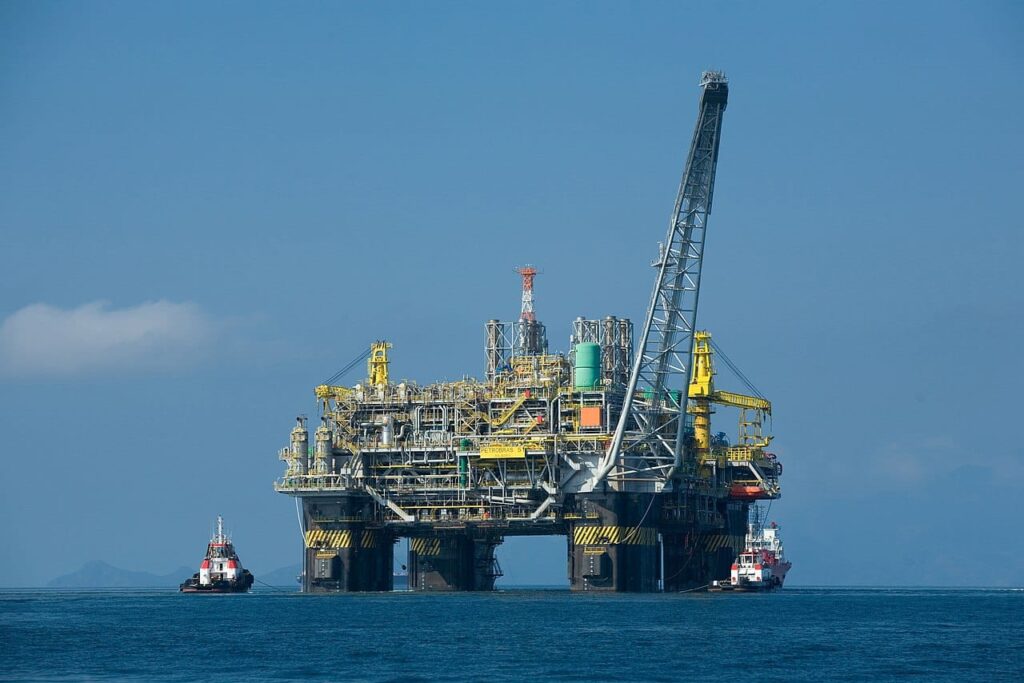
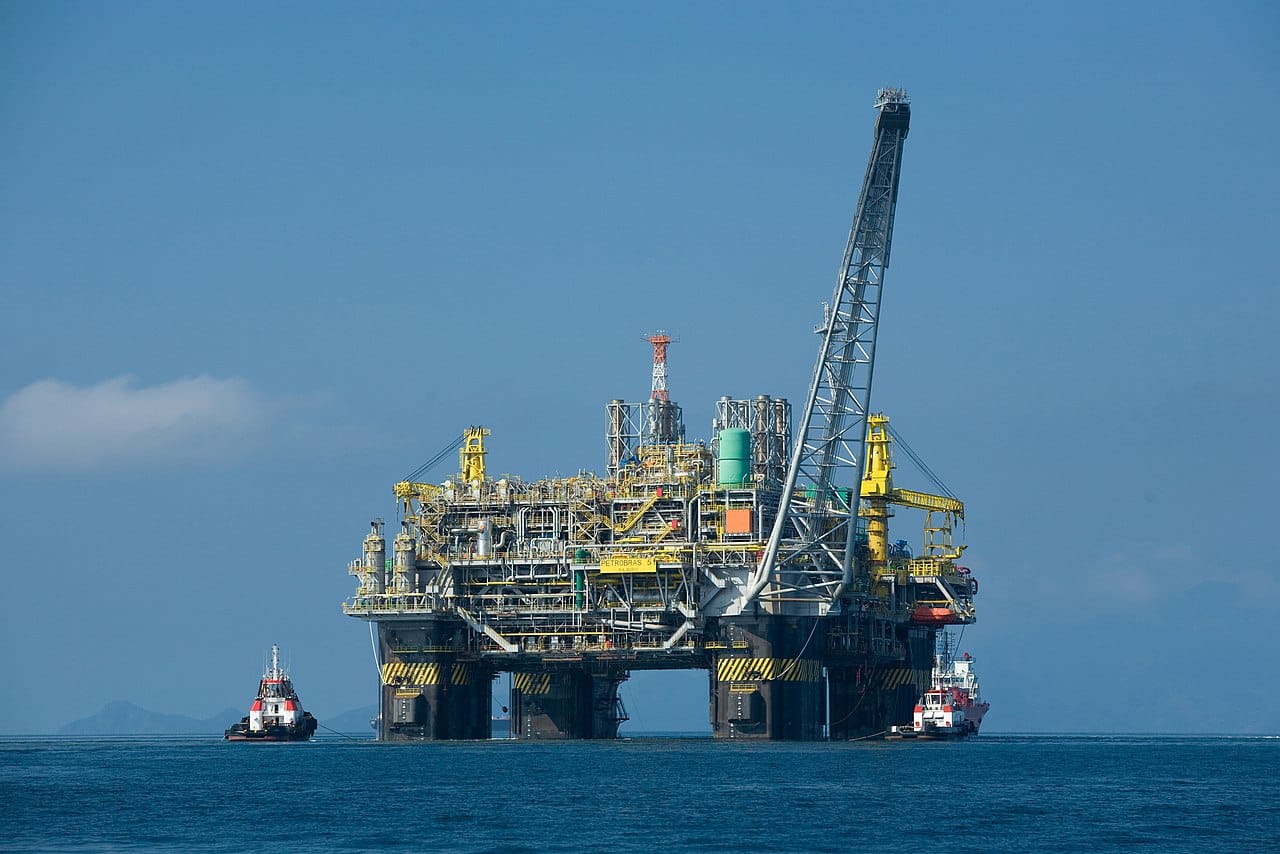
The escalation by Turkey follows Athens’ signing of lease agreements with a consortium led by U.S. energy giant Chevron earlier this week. Credit: Wikimedia Commons / Petrobras Divulgacao /cc-by-2-0
Turkey has formally objected to Greece’s authorization of offshore energy exploration south of Crete, labeling the move a “unilateral provocation” that violates international law and existing regional agreements.
The escalation follows Athens’ signing of lease agreements with a consortium led by U.S. energy giant Chevron earlier this week. This move marks a significant expansion of Greece’s energy footprint and signals deeper American strategic involvement in the Eastern Mediterranean.
Chevron and Helleniq Energy will explore for gas in our offshore blocks located south of Crete and the Peloponnese. The four exploration areas span a total of 47,000 square kilometers (about 18,146 sq mi), with seismic surveys scheduled to begin prior to year-end. If these surveys identify viable targets, an exploratory drilling campaign will follow to confirm the scale of any deposits.
The Turkish Defense Ministry maintains that these activities infringe upon the 2019 Turkey-Libya Maritime Memorandum, claiming the exploration blocks overlap with Libya’s declared continental shelf. Ankara reaffirmed its commitment to supporting Libyan authorities in opposing what it termed “unlawful” Greek maneuvers.
In response, Greek government spokesperson Pavlos Marinakis dismissed the criticism, asserting that Greece is exercising its sovereign rights in strict adherence to the UN Convention on the Law of the Sea (UNCLOS).