
Published on
February 20, 2026
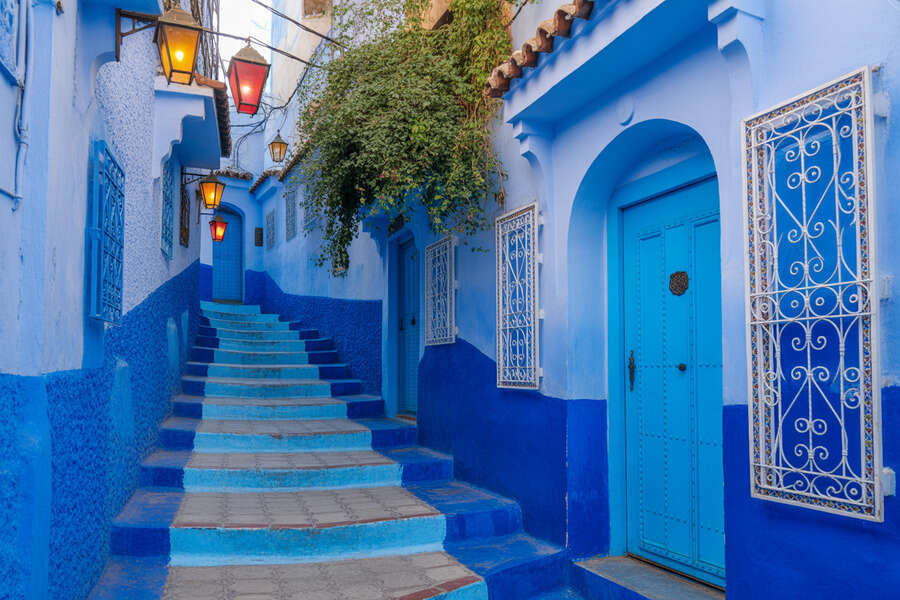
Image generated with Ai
Morocco has joined Brazil, Egypt, South Africa, Iceland, Japan, Seychelles, and many other countries in revolutionizing its tourism sector by embracing a cashless payment system, a move aimed at enhancing the visitor experience and driving economic growth. As the global tourism landscape becomes increasingly digital, Morocco’s decision to launch the “Stay Cashless” initiative is a strategic step to modernize its infrastructure, attract more international arrivals, and provide tourists with secure, seamless payment solutions. This bold shift promises to unlock new opportunities for the country, positioning it as a competitive and forward-thinking destination on the world stage.
In a world where technology is advancing at an unprecedented pace, Morocco is stepping up its game to align itself with global tourism giants. As the country prepares to revolutionize its tourism sector, the implementation of the “Stay Cashless” initiative promises to unlock significant growth and ensure a seamless experience for tourists. Morocco joins Brazil, Egypt, South Africa, Iceland, Japan, Seychelles, and other key players in the tourism industry, positioning itself as a modern, forward-thinking destination.
Morocco’s Bold Step Towards Cashless Tourism
With nearly 20 million visitors in 2025, Morocco is increasingly becoming a major player in the global tourism market. However, its reliance on outdated cash-based payment systems has limited its ability to capture the full economic potential of its booming tourism sector. Recognizing this, Morocco has launched the “Stay Cashless” initiative, aiming to streamline the payment experience for both tourists and local businesses.
The country’s tourism sector has long faced challenges with outdated payment methods, particularly in small cities and rural areas where digital infrastructure is scarce. However, the new initiative is set to transform the payment landscape, providing tourists with secure, internationally accepted payment options. This will not only improve the experience for international travelers but also contribute to the broader goal of economic growth, ensuring that Morocco stays competitive as a top global destination.
Brazil: Leveraging Mega-Events and Cultural Pull
Morocco is not the first country to recognize the immense potential of a cashless payment system in driving tourism growth. Brazil, a leader in tourism innovation, has been leveraging major events and its rich cultural heritage to boost its tourism sector. With the Rio Carnival and high-profile concerts such as the Copacabana beach show, Brazil has successfully amplified its global visibility.
In addition to cultural pull, Brazil has also adopted modern payment systems to ease the transaction process for international visitors. By embracing digital payments, the country has positioned itself as a hub for music tourism, festivals, and global media exposure. These efforts have helped Brazil attract a growing number of visitors who are increasingly accustomed to seamless, cashless transactions.
Advertisement
Advertisement
Egypt: Icon-Driven Strategies and Economic Growth
Just like Morocco, Egypt has recognized the importance of a cashless payment system in modernizing its tourism infrastructure. Egypt’s strategy focuses on icon-driven tourism, with the Grand Egyptian Museum serving as the centerpiece of its revitalization efforts. The museum’s soft opening in late 2024 and its full opening in 2025 are key components of Egypt’s efforts to refresh its tourism image and drive repeat visitation.
Additionally, Egypt has adopted cashless payment solutions to cater to the growing demand for digital transactions. By combining modern payment systems with its iconic attractions, Egypt is aiming to enhance visitor experiences and increase tourism receipts. The country’s focus on iconic, cultural attractions coupled with seamless payment systems has made it a strong contender in the global tourism market.
South Africa: Adventure and Nature as Key Growth Drivers
South Africa has been another frontrunner in using digital payment systems to enhance tourism experiences. The country’s strategy revolves around its vast natural resources, adventure tourism, and a rich cultural heritage. In recent years, South Africa has witnessed a surge in eco-tourism and adventure travel, attracting visitors keen to experience its natural wonders.
With the rise of cashless payments, South Africa is positioning itself as a destination where travelers can easily navigate its varied offerings. Whether it’s booking a safari tour, purchasing souvenirs in Cape Town, or paying for accommodations, cashless payments are making transactions smoother and more secure. This shift not only supports tourism growth but also ensures that South Africa remains competitive in a global market that increasingly values convenience and technological innovation.
Iceland: Nature-Driven Tourism with a Digital Twist
Known for its breathtaking landscapes and unique natural phenomena, Iceland has capitalized on its natural beauty to attract a growing number of tourists. From the Northern Lights to the solar eclipse crossing the country, Iceland’s tourism strategy is centered around nature tourism, focusing on small-group, sustainable travel experiences.
Iceland’s tourism growth has been fueled by its innovative marketing efforts, which combine nature-driven tourism with cutting-edge digital solutions. The introduction of cashless payment systems has made it easier for tourists to explore Iceland’s rugged terrains while ensuring secure, frictionless transactions. This move aligns Iceland with other global leaders, ensuring that visitors can focus on the stunning natural attractions rather than worrying about payment hassles.
Japan: A “Bucket List Now” Destination with Seamless Payments
Japan has long been a popular destination for travelers seeking a blend of tradition and modernity. With its rich cultural history, technological advancements, and post-pandemic tourism boom, Japan has capitalized on the pent-up demand for travel. Social media visibility and improved air connectivity have positioned Japan as a “bucket list now” destination for tourists seeking a diverse range of experiences.
For travelers accustomed to digital payments, Japan’s adoption of cashless systems has been a game-changer. With mobile wallets, tap-on-phone technology, and secure payment solutions now integrated into many of Japan’s tourist hotspots, the country offers an incredibly convenient travel experience. By embracing digital payments, Japan continues to position itself as a seamless, tech-savvy destination that meets the needs of modern tourists.
Seychelles: Luxury Tourism and Cashless Convenience
While Seychelles has traditionally been known for its honeymoon appeal, the country has successfully repositioned itself to cater to a broader range of luxury and leisure travelers. The introduction of cashless payment systems in Seychelles has helped streamline the booking and payment process for high-end travelers, further enhancing its reputation as a luxury destination.
By focusing on sustainability and integrating modern payment technologies, Seychelles has attracted a diverse range of visitors beyond the niche honeymoon market. Tourists now enjoy the convenience of cashless payments at resorts, beaches, and cultural landmarks, ensuring a smooth and enjoyable experience throughout their stay.
Morocco’s Strategic Move: Bridging the Gap with Cashless Solutions
As Morocco embraces the “Stay Cashless” initiative, it is not only making a technological leap but also positioning itself to capture the burgeoning global tourism market. The Moroccan Ministry of Tourism, in collaboration with Attijariwafa Bank and Visa, is making significant strides in modernizing the country’s payment systems. This collaboration aims to reduce international transaction fees, enhance mobile payment options, and provide secure, internationally accepted payment solutions to local businesses.
The introduction of tap-on-phone technology, pay-by-link services, and dynamic currency conversion tools ensures that Morocco can offer a seamless experience for visitors, particularly in popular tourist cities like Casablanca, Marrakech, and Rabat. However, Morocco is also keen on extending these services to smaller cities and regions such as Agadir and Fez, where tourism growth is expected to rise significantly in the coming years.
Morocco’s Growth Potential: Preparing for Global Events
Morocco’s tourism sector is poised for substantial growth, particularly as the country prepares for global events like the 2030 FIFA World Cup and the African Cup of Nations. These events will attract millions of international visitors who are accustomed to cashless payments and seamless transaction systems. The success of these events will largely depend on the country’s ability to provide a frictionless, secure payment experience for tourists, and the “Stay Cashless” initiative is integral to this preparation.
The adoption of digital payment solutions is crucial not only for improving the visitor experience but also for addressing the country’s current payment system challenges. ATM withdrawal limits, high transaction fees for foreign cards, and the reluctance of some merchants to adopt cashless systems have all hindered Morocco’s tourism potential. However, the ongoing reforms and investment in digital infrastructure are setting the stage for Morocco to become a leading destination for tourists from around the world.
A Global Movement: Morocco’s Role in the Cashless Revolution
Morocco’s journey towards a cashless tourism sector is part of a broader global movement where countries across continents are embracing digital payments. In Europe, cash payments have been restricted to a maximum of €10,000 as part of anti-money laundering measures. Nordic countries have taken similar steps, with cash payments dropping below 5% of in-store transactions. Meanwhile, China’s Alipay and WeChat Pay, as well as India’s Unified Payments Interface (UPI), dominate retail payments across Asia.
The UAE stands at the forefront of the cashless revolution in the Middle East, where over 90% of transactions are contactless, conducted through cards, phones, or wearable devices. As Morocco continues its journey to modernize its tourism infrastructure, it joins this growing wave of countries that are recognizing the economic potential of embracing digital payments.
Morocco’s “Stay Cashless” initiative is more than just a payment reform — it is a strategic move designed to enhance the country’s competitiveness on the global tourism stage. By aligning itself with global tourism leaders like Brazil, Egypt, South Africa, Iceland, Japan, and Seychelles, Morocco is ensuring that it can offer a world-class experience to modern travelers.
Morocco joins Brazil, Egypt, South Africa, Iceland, Japan, Seychelles, and other tourism leaders in boosting growth by embracing a cashless payment system. This strategic move is aimed at enhancing the visitor experience, attracting more international arrivals, and driving economic growth through modernized payment solutions.
As the country moves toward a fully cashless tourism sector, the benefits will be far-reaching. Tourists will experience a smoother, more secure stay, while Morocco stands to gain billions in untapped revenue, further solidifying its position as a top destination for international travelers. The future of Moroccan tourism is bright, and with the implementation of digital payment solutions, the kingdom is well on its way to unlocking its full tourism potential.
