
 Viktoria Nikolla
The influential business lobby has launched a fierce attack on proposals to grant additional paid “cultural leave” to public sector employees who volunteer at village feasts and carnival, warning the measure would deepen labour market distortions and undermine national competitiveness.
The Malta Chamber of Commerce, Enterprise and Industry said it “firmly opposes” the plan floated by culture minister Owen Bonnici and Labour MEP Daniel Attard, which would extend existing provisions allowing special leave for representing Malta at cultural events abroad to cover local festivities.
In a strongly worded statement, the chamber argued the move would further “gold plate” public sector employment at a time when Malta is operating in an “exceptionally tight labour market” with rising wage pressures and persistent skills shortages.
“Such a measure would further ‘gold plate’ public sector employment at the expense of businesses and the general public at large and put additional unsustainable pressures on private businesses,” the chamber said.
Approximately 20% of Malta’s total workforce – one in every five workers – is employed in the public sector, significantly above the 16-17% EU average. The concentration is far higher in Gozo, where nearly one in three full-time workers hold government jobs.
Moreover, 98.5% of third-country nationals and 97.6% of EU nationals work in the private sector, meaning the proportion of Maltese citizens employed by the state is considerably higher than the national average suggests. The public sector workforce stood at 54,398 full-time workers in June 2025, a 4.3% annual increase concentrated in administration, defence, education and health.
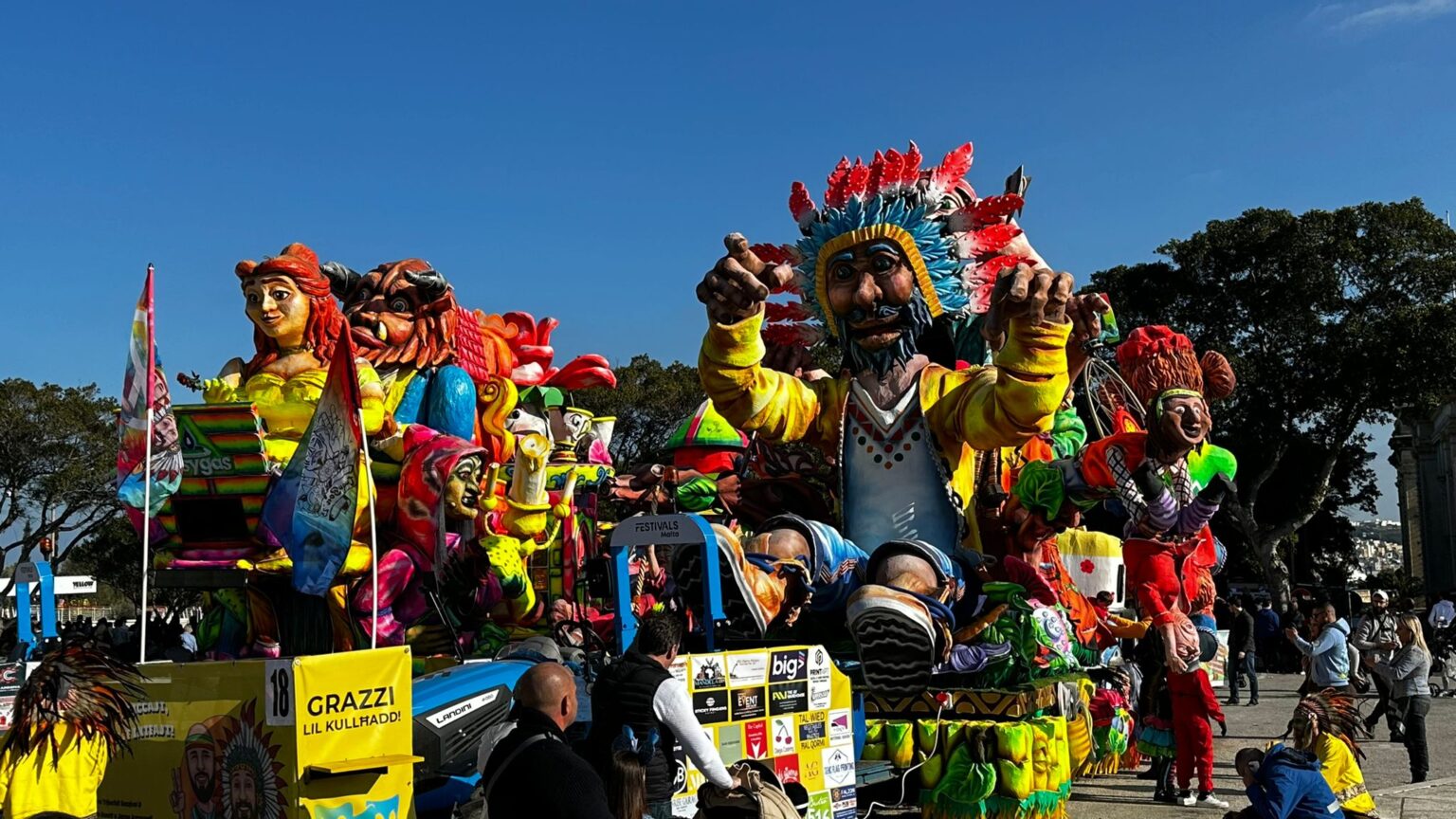
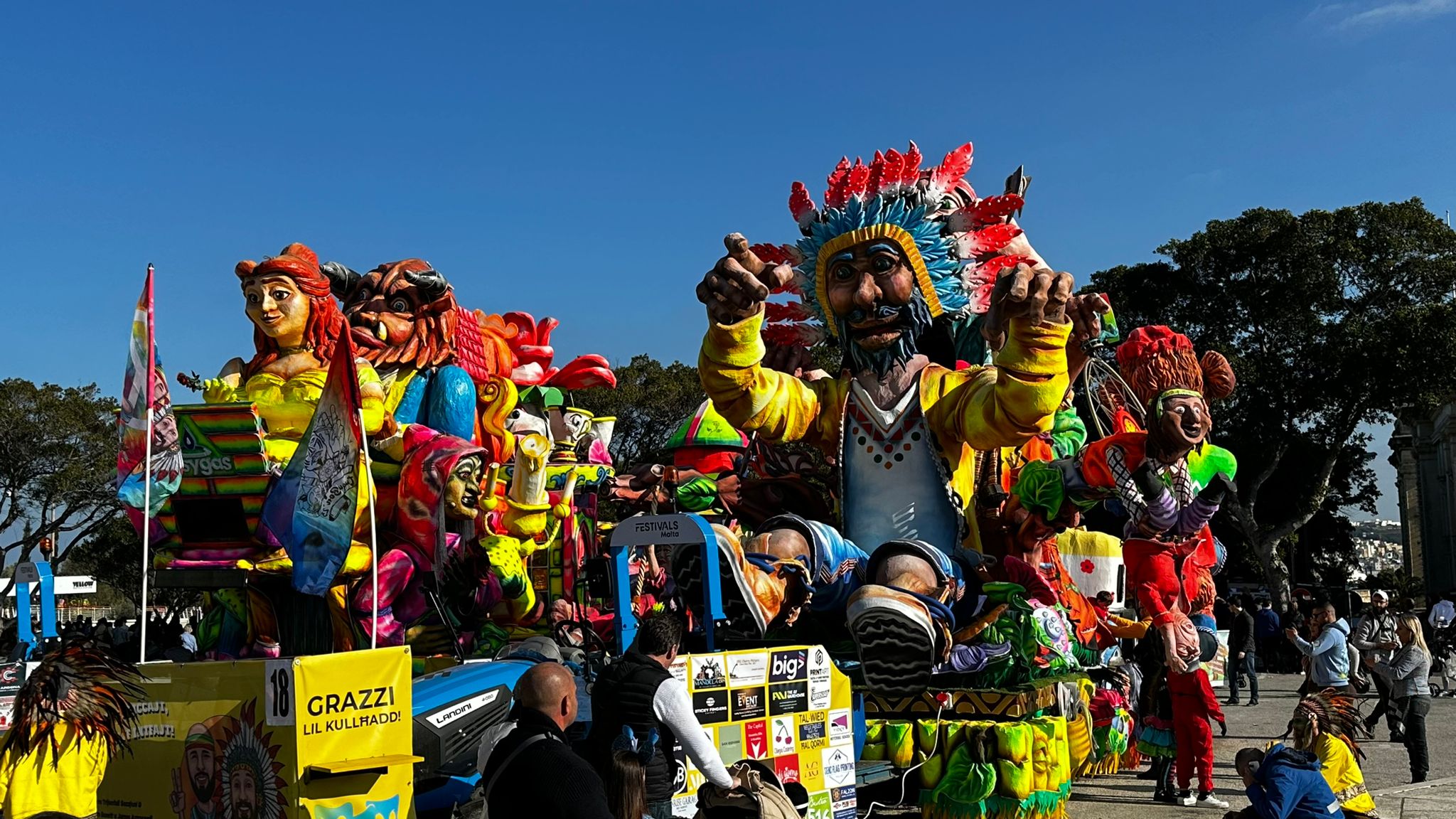
Attard, who is leading European Parliament work on sustainable tourism, argued this week that thousands of volunteers sacrifice annual leave to build carnival floats, manufacture fireworks and organise feasts, sustaining traditions that define Malta’s cultural identity. He called for an EU framework enabling “cultural volunteering leave” as recognition.
Bonnici confirmed the government is exploring extending existing public sector provisions, though he acknowledged the need to “weigh the impact of these decisions on other hobbies and traditions” .
The chamber pointed to fiscal concerns, noting government wage expenditure is projected to rise from €962 million in 2019 to €1.4 billion by 2025 – a 45% increase. By November 2025, the wage bill had already reached €1.29 billion .
“It is the private sector that generates the economic value that sustains the public sector – yet it is also the one most adversely affected by unthought and unplanned policies that distort labour dynamics negatively,” the chamber said.
The organisation warned that introducing further paid leave sends “the wrong signal about fiscal prudence and long-term sustainability.” It reiterated previous concerns about piecemeal extensions of leave entitlements, having previously cautioned against proposals for a four-day week.
“Family-friendly and cultural policies must be designed responsibly, ensuring that they do not undermine productivity, competitiveness or fiscal discipline,” the chamber concluded. “Well-intentioned measures should not come at the expense of Malta’s economic sustainability.”

