

Pexels
If you’re in any of the continents experiencing a particularly harsh winter right now, you’ll likely be crossing your fingers and hoping that the cold spell will be over soon.
And with temperatures in parts of the US in January 2026 hitting lows in the range of -20 to -40 degrees fahrenheit, it’s understandable that you’re ready to see the sun shining again.
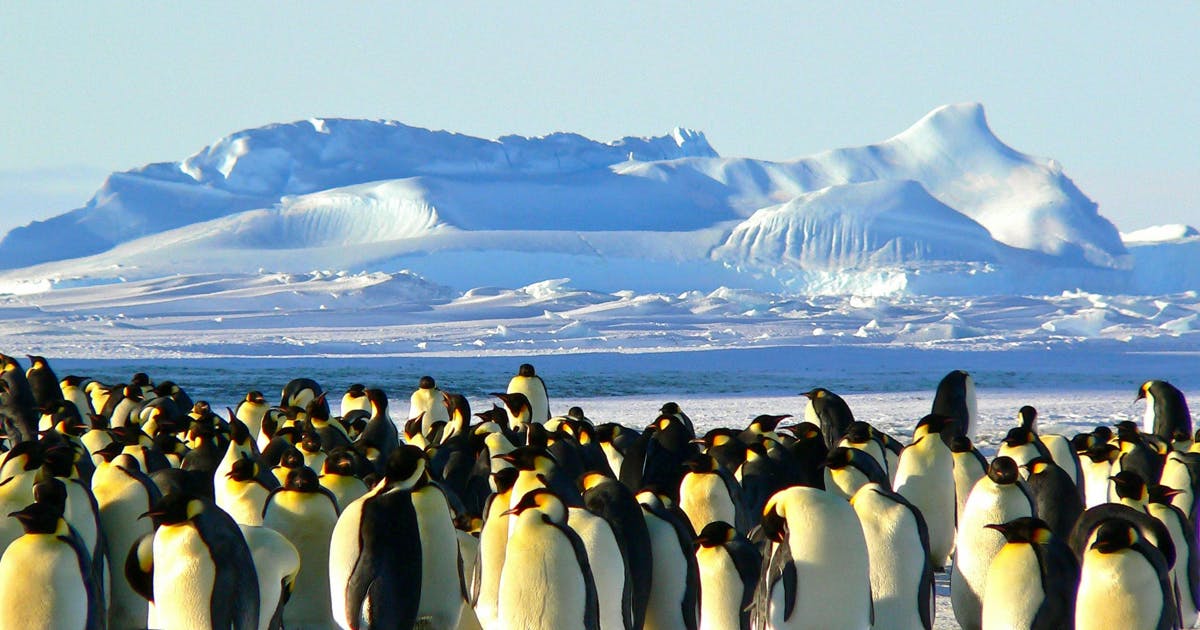
But spare a thought for researchers at the East Antarctic Research Station, where temperatures regularly drop below -90° celsius (that’s -130 fahrenheit, or in other words, very, very cold).
According to a research paper which was published in Geophysical Research Papers, that’s not even the half of it, with temperatures reaching all the way down to -98°C, or around -144°F.
Pexels
But that’s only part of the story.
Sure, East Antarctica is very cold, and that coldness is remaining relatively stable, despite the climatic instability seen across the world.
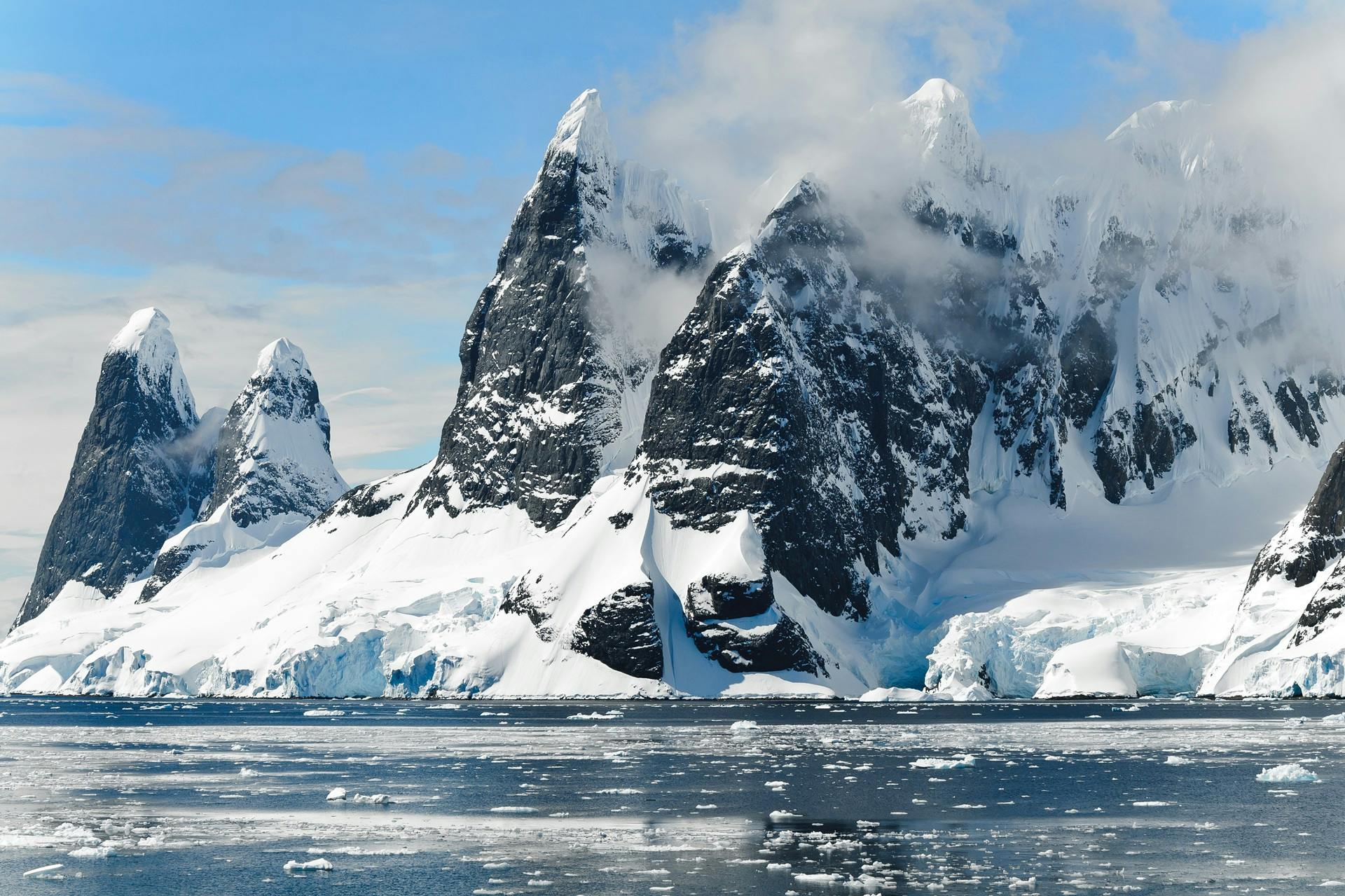
But across Antarctica, temperatures are rising, resulting in a net loss of 1.85 trillion tonnes of ice in the two and a bit decades between 2002 and 2023, according to a post from the Antarctic and Southern Ocean Commission.
And given that melting ice is raising the levels in our oceans, that’s really not good news.
Pexels
Despite what President Trump may have commented online, cold temperatures – even unusually cold ones in the US – don’t disprove the climate crisis. In fact, climate change means a quicker cycling of dramatic weather patterns and variatons.
As the Royal Society explain, as the Earth warms (as it is, irrefutably doing), storm tracks will change, leading to unseasonable and unusual weather variation:
“Global warming is a long-term trend, but that does not mean that every year will be warmer than the previous one. Day to day and year to year changes in weather patterns will continue to produce some unusually cold days and nights, and winters and summers, even as the climate warms. Global warming tilts the odds in favour of more warm days and seasons and fewer cold days and seasons. For example, across the continental United States in the 1960s there were more daily record low temperatures than record highs, but in the 2000s there were more than twice as many record highs as record lows.”
You might be chilly right now, but that doesn’t mean the world is getting colder – in fact, it’s quite the opposite.
And that’s more reason than ever to do your bit to protect our planet.
If you thought that was interesting, you might like to read about the mysterious “pyramids” discovered in Antarctica. What are they?