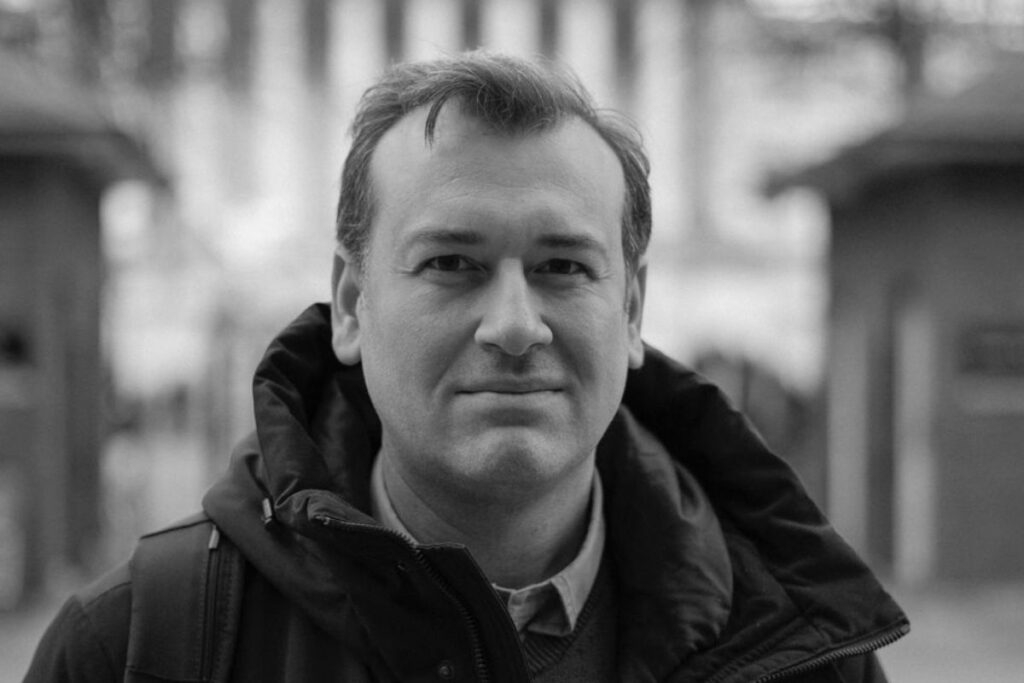
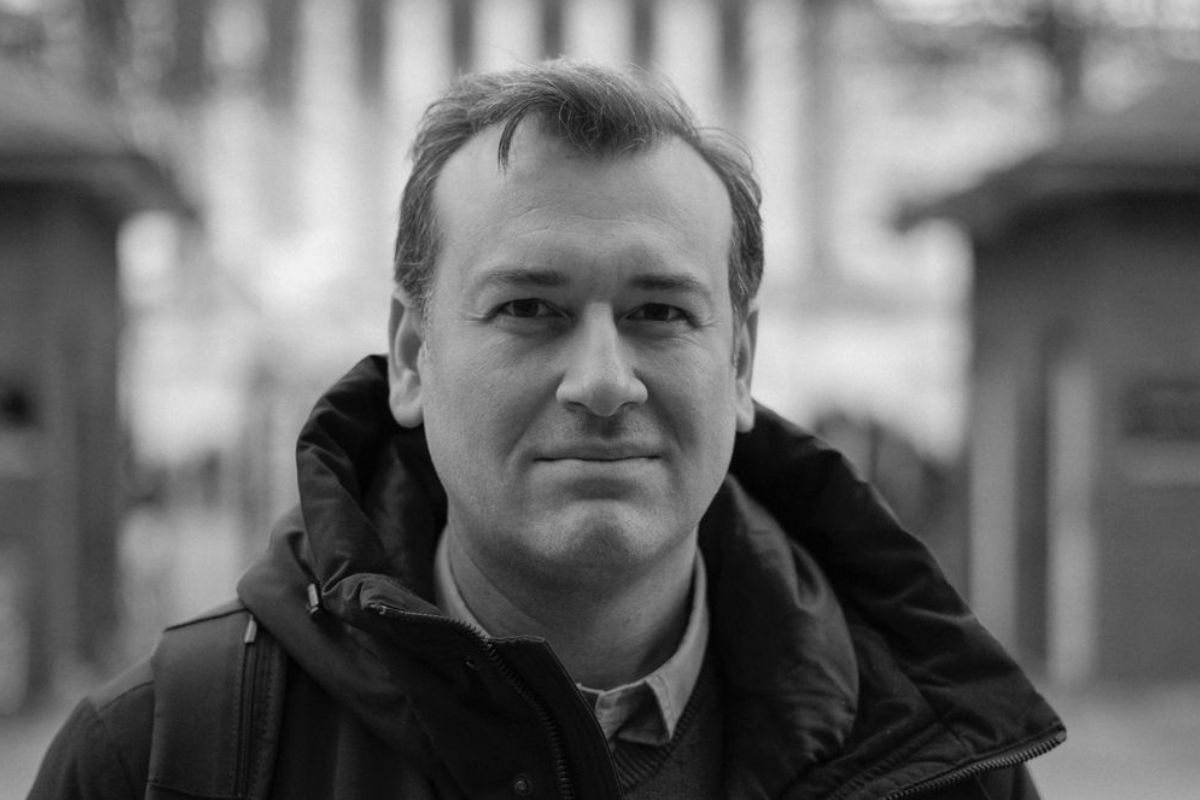
A conversation with Dr Eduard Abrahamyan, senior research fellow at the Institute for Security Analysis (Yerevan) and an international relations scholar at University College London. Interviewer: Tatevik Hovhannisyan
February 22, 2026 –
Tatevik Hovhannisyan
– 
InterviewsIssue 1-2 2026Magazine
TATEVIK HOVHANNISYAN: In your view as a scholar of small states, to what extent did the regional order change in the South Caucasus after the Second Karabakh War of 2020, and in light of Russia’s military invasion of Ukraine since 2022?
EDUARD ABRAHAMYAN: The regional order in the South Caucasus has undergone a profound and sub-systemic transformation since the 2020 Second Karabakh War. This change was further accelerated and structurally consolidated after Russia’s full-scale invasion of Ukraine in 2022. What we are witnessing is not merely a shift in the local balance of power, but the reconfiguration of the region’s governing logic – from a conflict managed within a partly western institutional framework to a predominantly authoritarian, post-western security order shaped by hard power, coercion, and transactional alignments underpinned by distinct non-western norms and rules of conduct. First, it is important to stress that Azerbaijan’s use of force in 2020 was geopolitically viable largely because it was regionally authorized. A tacit consensus was formed among the key non-western power brokers (Russia, Türkiye, and Iran) that the war would be allowed to proceed and that its outcome would marginalise western instruments of conflict management. Above all, this was clear regarding the OSCE Minsk Group and its foundational principle of the non-use of force. The dismantling of this western-backed infrastructure represented a decisive break with the post-Cold War conflict regulation model in the South Caucasus. Although the European Union has attempted to partially re-enter the region through instruments, such as the monitoring mission in Armenia, this remains at the level of political symbolism. In reality, there is a limited, almost non-deterrent, and essentially compensatory presence rather than a restoration of Western strategic influence.

This article is for members only
Join the New Eastern Europe community to unlock this article — plus enjoy full access to premium content, our digital archive, newsletter insights, and podcast updates.
BECOME A MEMBER!
Already a member? Sign in to read the full article.