
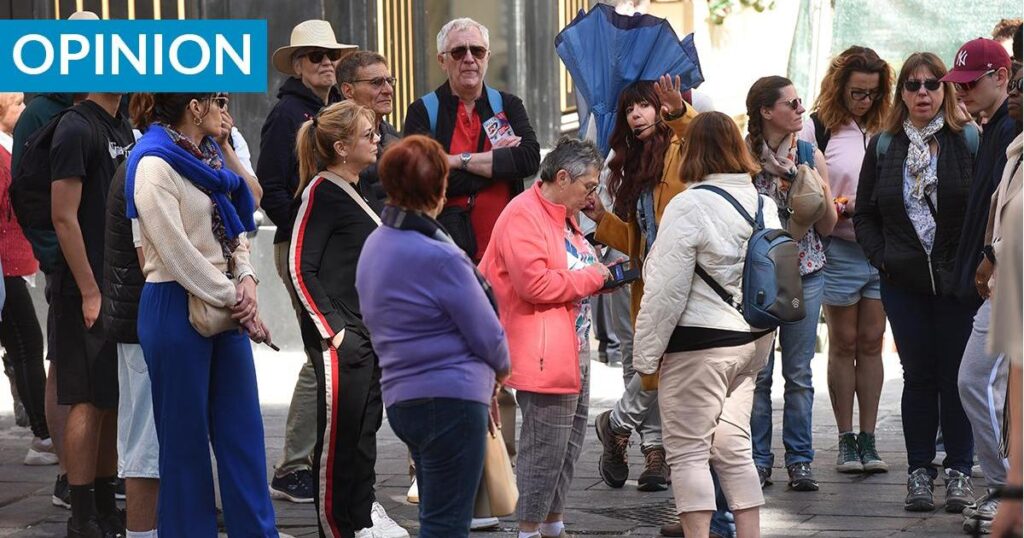
In December 2021, the Malta Tourism Authority launched its Tourism Strategy for 2021-2030. It was based on the three pillars of Recover, Rethink, Revitalise, set as it was in the uncertain times of the COVID-19 pandemic which had decimated tourism activity worldwide and introduced levels of uncertainty on what the long-term impact on humanity’s fascination with travel would have in a post-pandemic scenario.
The strategy, however, did not stop at simply advocating a recovery which sought to continue on the trajectory of pre-pandemic performance. Rather, it pushed for a rethinking of strategies and tactics aimed at an overall revitalisation of Maltese tourism by placing a further emphasis on sustainability, equating visitor satisfaction with host population well-being and the delivery of a higher quality experience.
Midway through its planned lifetime, the Tourism Strategy has delivered a lot. Malta’s tourism recovery was nothing short of exceptional, outpacing most countries’ recovery by more than two years. It was not only the recovery of volumes that was notable but also the changes within those numbers. For Malta not only attracted increased volumes of tourists but started to witness a transformation of its tourism inflows.
For successive years, off-peak visitor numbers grew at double the rate of peak inflows. This invariably contributed to shorter average lengths of stay, meaning that value growth was increasing at a faster rate than volume growth. The accommodation offer broadened with the addition of superior quality bed stock both in collective accommodation and private accommodation. Geographical diversification widened further, particularly through the impressive increases from long-haul markets, while airline connectivity not only overtook pre-pandemic levels but also benefitted from a healthier mix of airlines.
The shift towards a more sustainable type of tourism happened through an increased matching of the destination’s offer and the profiles of the tourists who visited. As a result, Malta is now attracting more tourists from more countries for more reasons and spread across more months.
2025 marked the fifth year of the current strategy’s operational period. With close to one half of the strategy considered delivered and with recovery becoming a thing of the past, it is now the time to have another look at Maltese tourism’s strategic objectives to affect the necessary midcourse adjustment to ensure that tourism aligns itself more closely with current international and local trends and developments.
Malta is now attracting more tourists from more countries- Leslie Vella
The Malta National Tourism Conference, held on February 12 by the MTA’s Malta Tourism Observatory, announced the start of a process that will lead to the publication of an updated strategy for the period 2027 to 2035 under the core pillars of Review, Reset and Realign.
The new strategy will be guided and inspired by two major developments. The first one is the World Tourism Report being produced by UN Tourism, which points to a smarter, more sensitive and sustainable tourism, equating visitor satisfaction with positive community engagement. The second source of guidance for the strategy will be Malta’s own Vision 2050, which also places strong emphasis on a socio-economic model aimed primarily at enhancing quality of life.
During the next months, consultations will take place to ensure the broadest consensus on the way ahead. The new strategy will focus on those actions which will help optimise tourism’s contribution by placing more emphasis on what is positive while seeking to minimise its less attractive components.
Our vision is to deliver a strategy in which Malta builds further on its reputation as a leading global tourism player with an industry that sustains its core values of heritage, hospitality and diversity increasingly.
We look forward to engaging with all stakeholders in this critical strategic realignment in the coming months – so that together we can continue working towards a tourism model that is smarter, more innovative, more competitive, increasingly attractive to its visitors and, most of all, sensitive to its inhabitants.
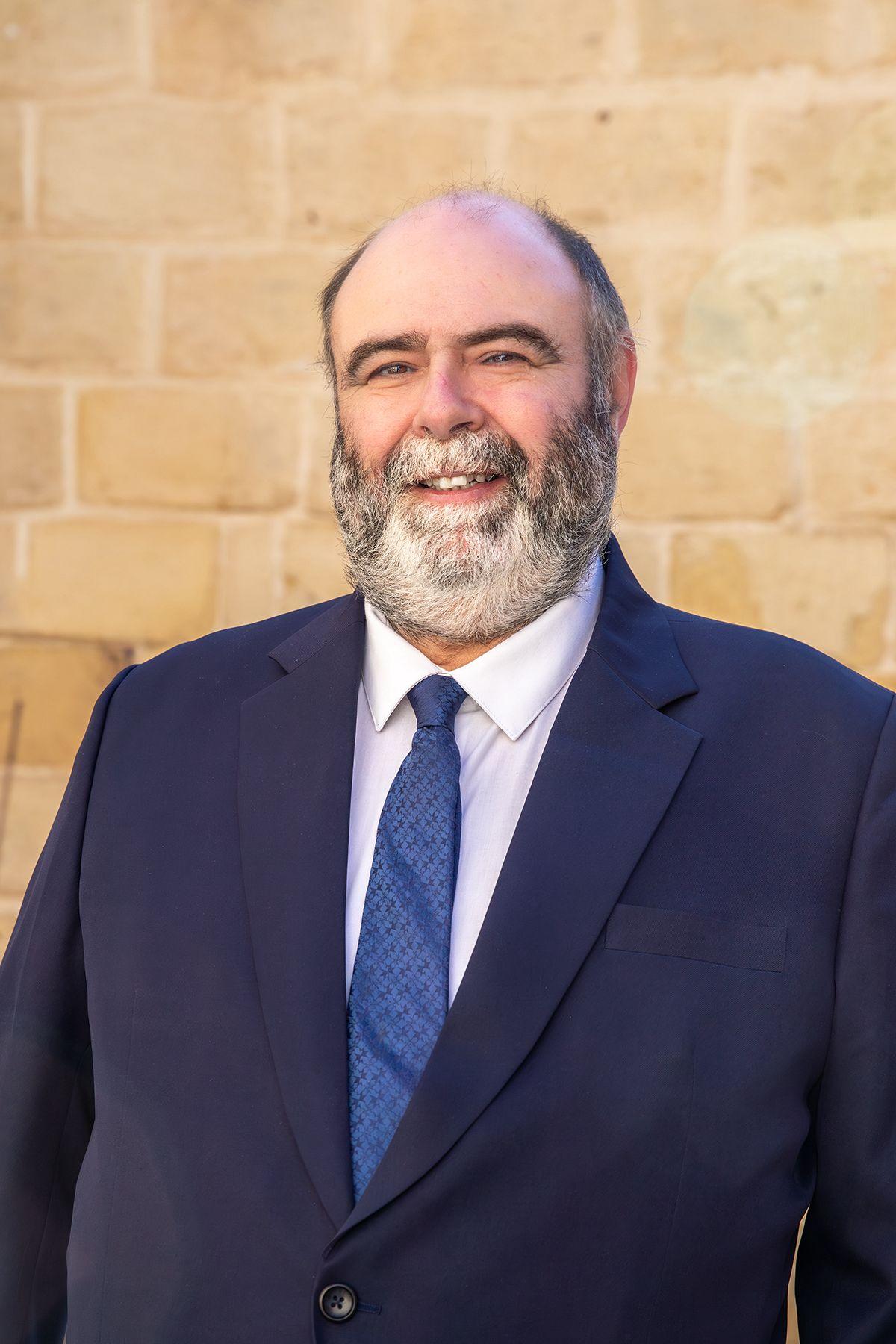
Leslie Vella is deputy CEO and Chief Officer Strategic Development, Malta Tourism Authority.