
Published on
February 23, 2026
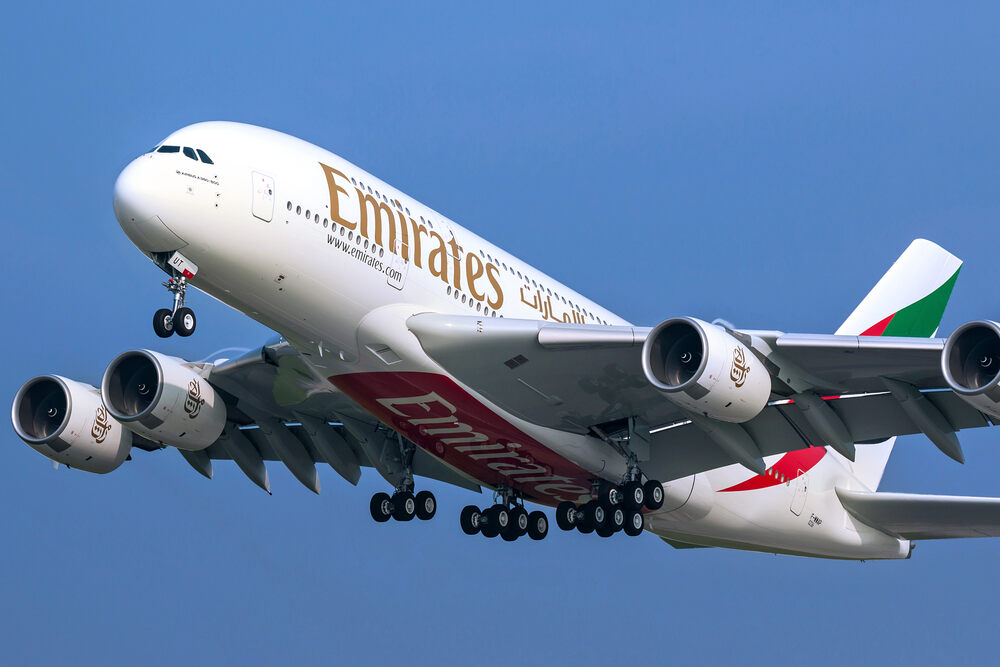
Image generated with Ai
Emirates is taking a significant step towards a more sustainable future with the introduction of the Airbus A350-900 on its key routes to Addis Ababa, Copenhagen, Hanoi, Kolkata, Kuala Lumpur, and Tehran. By replacing older Boeing 777 aircraft with the eco-friendly A350-900, Emirates is not only enhancing fuel efficiency and reducing emissions but also improving passenger comfort with its advanced cabin features. This move reflects the airline’s commitment to both operational efficiency and environmental responsibility, ensuring a greener and more comfortable flying experience for passengers across these major global destinations.
In a significant step towards fleet modernization, Emirates Airlines has announced a groundbreaking update to its network, with the introduction of the Airbus A350-900 aircraft on six key international routes. Starting from late 2026, the airline will gradually replace its Boeing 777 fleet on specific long-haul and medium-haul flights from Dubai International Airport (DXB). This shift is expected to enhance operational efficiency, improve fuel economy, and offer passengers a more comfortable flying experience.
The six destinations included in this transition are Addis Ababa (Ethiopia), Copenhagen (Denmark), Hanoi (Vietnam), Kolkata (India), Kuala Lumpur (Malaysia), and Tehran (Iran). Although these changes are currently reflected in the airline’s schedule, reservations systems continue to list the Boeing 777 variants. This suggests that the switch to the Airbus A350-900 is still subject to confirmation in operational schedules.
The Strategic Shift to Airbus A350-900
Emirates’ decision to deploy the Airbus A350-900 marks a decisive move in its strategy to modernize its fleet and optimize passenger experience across key routes. The A350-900 is known for its superior fuel efficiency, reduced carbon emissions, and enhanced cabin design, making it a valuable addition to Emirates’ growing fleet of next-generation aircraft. The new aircraft will be deployed on specific routes based on passenger demand and operational requirements, further emphasizing Emirates’ commitment to maintaining a sustainable and efficient fleet.
The A350-900 aircraft are expected to replace the older Boeing 777 variants on select routes, offering a significant upgrade in both passenger comfort and operational efficiency. The new aircraft features a modern and spacious interior, with seating configurations that vary between 298 and 312 seats. This adaptability enables Emirates to meet demand on both high-capacity routes and those requiring a more flexible capacity approach.
A Closer Look at the Routes and Aircraft Changes
Dubai – Addis Ababa
Starting January 2027, the Airbus A350-900 will replace the Boeing 777-200LR on the route between Dubai and Addis Ababa. The A350-900 will operate with a 298-seat configuration, offering passengers a quieter, more comfortable experience while reducing fuel consumption and emissions. This change is a significant move in Emirates’ ongoing efforts to modernize its network and reduce its environmental footprint.
Advertisement
Advertisement
Dubai – Copenhagen
From December 2026, Emirates will deploy the Airbus A350-900 on flights EK151 and EK152 between Dubai and Copenhagen. The A350 will replace the Boeing 777-300ER on this route, with two daily A350-900 frequencies scheduled. This is expected to boost connectivity between the two cities, offering enhanced comfort and operational efficiency, particularly on long-haul flights.
Dubai – Hanoi
Starting in January 2027, the Airbus A350-900 will be deployed on the Dubai-Hanoi route, replacing the Boeing 777-300ER. This transition will provide passengers with an upgraded flying experience, thanks to the A350’s state-of-the-art cabin features, including improved lighting, quieter engines, and more efficient air conditioning.
Dubai – Kolkata
Beginning October 2026, Emirates will introduce the Airbus A350-900 on flights EK570 and EK571 from Dubai to Kolkata. The 312-seat A350-900 will replace the Boeing 777-300ER, offering an expanded passenger capacity and an improved flying experience on this important route. This change marks another step in Emirates’ ongoing fleet modernization efforts, aimed at providing the best possible service to its passengers.
Dubai – Kuala Lumpur
From December 2026, Emirates will operate flights EK344 and EK345 between Dubai and Kuala Lumpur with the Airbus A350-900. The larger 312-seat A350-900 will replace the Boeing 777-300ER, providing increased capacity and enhanced passenger comfort. The deployment of this next-generation aircraft reflects Emirates’ commitment to meeting the growing demand on the route while also reducing its environmental impact.
Dubai – Tehran Imam Khomeini
Starting in October 2026, Emirates will replace the Boeing 777-300ER with the Airbus A350-900 on flights EK977 and EK978 to Tehran. With a seating capacity of 312, the A350-900 will provide an upgraded service offering, including a more spacious cabin, quieter engines, and improved fuel efficiency.
Fleet Modernization and Environmental Sustainability
The integration of the Airbus A350-900 into Emirates’ fleet is a key component of the airline’s broader fleet modernization strategy. The A350-900 aircraft boasts several advantages over older models, particularly in terms of fuel efficiency and environmental performance. Compared to the Boeing 777, the A350-900 offers a reduction in carbon emissions and a quieter operation, both of which align with global efforts to make air travel more sustainable.
In addition to its environmental benefits, the A350-900 provides a more comfortable flying experience for passengers. Emirates has focused on enhancing the cabin design to offer greater comfort, including larger windows, more advanced lighting systems, and quieter cabins. The aircraft’s advanced air circulation and humidity control systems also contribute to a more pleasant in-flight experience, especially on longer journeys.
Emirates’ decision to deploy the A350-900 on these key routes is part of its ongoing efforts to offer a superior travel experience while also contributing to global sustainability goals. The introduction of these state-of-the-art aircraft aligns with the airline’s commitment to reducing its carbon footprint and embracing more eco-friendly aviation technologies.
The Road Ahead for Emirates
As Emirates prepares to transition to the Airbus A350-900 on these important routes, the airline is expected to continue focusing on both sustainability and passenger comfort. The phased introduction of these new aircraft reflects Emirates’ broader approach to fleet management, with a keen focus on optimizing its network and reducing environmental impact.
The shift to the A350-900 also signals a broader trend in the aviation industry towards fleet modernization and sustainability. Many major airlines are following suit by adopting next-generation aircraft that offer better fuel efficiency, lower emissions, and enhanced passenger experience. Emirates’ move to the A350-900 is in line with this industry-wide shift, ensuring that the airline remains competitive in an increasingly eco-conscious travel environment.
While these changes are currently outlined in Emirates’ flight schedules, they are subject to operational confirmation. Passengers who have already booked flights on these routes are encouraged to check their booking systems for the latest updates, as the transition to the Airbus A350-900 becomes official in the coming months.
Emirates’ decision to introduce the Airbus A350-900 on key international routes represents a significant step forward in the airline’s ongoing efforts to modernize its fleet, enhance operational efficiency, and improve the passenger experience. With the deployment of the A350-900 on six major routes, including Addis Ababa, Copenhagen, Hanoi, Kolkata, Kuala Lumpur, and Tehran, Emirates is setting the stage for a new era of air travel that prioritizes sustainability, comfort, and efficiency.
Emirates is enhancing sustainability by introducing the Airbus A350-900 on new routes to Addis Ababa, Copenhagen, Hanoi, Kolkata, Kuala Lumpur, and Tehran. This shift to a more fuel-efficient aircraft helps reduce emissions while offering passengers a more comfortable flying experience.
As the airline continues to modernize its fleet and expand its network, the A350-900 will play a pivotal role in ensuring that Emirates remains at the forefront of the global aviation industry. This shift is not only a milestone for Emirates but also a sign of the airline’s commitment to sustainability and excellence in air travel.
