
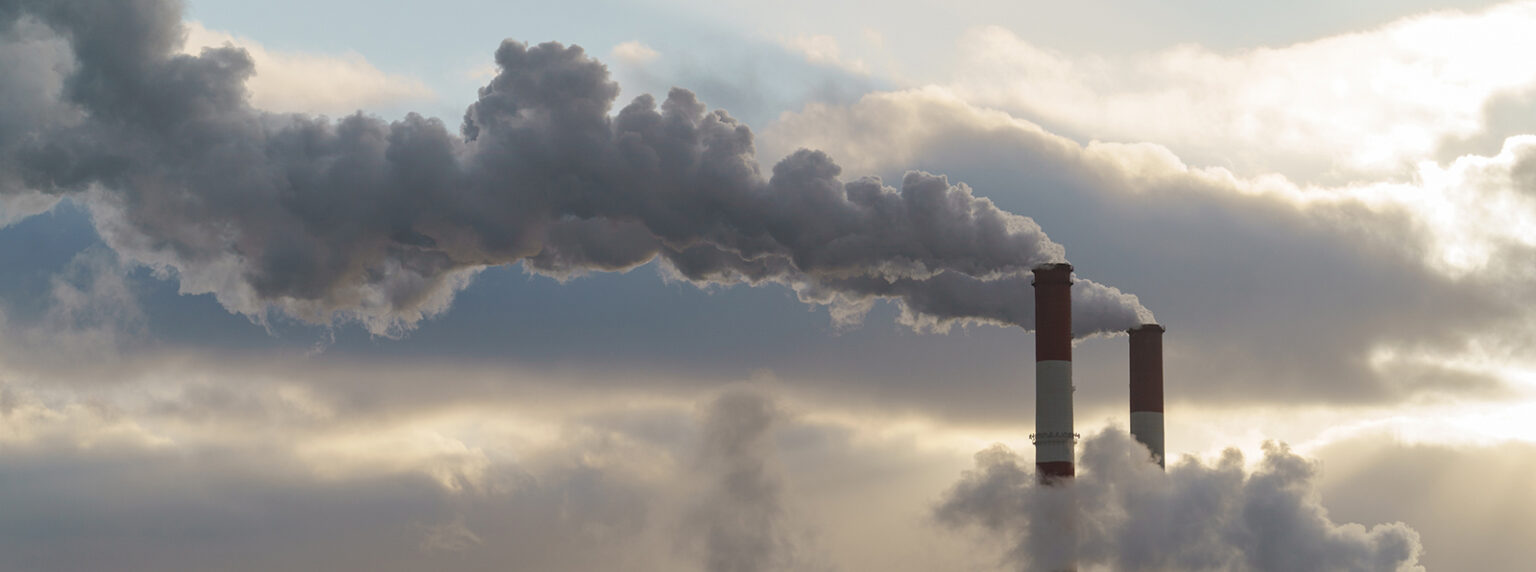
The climate catastrophe, an entirely man-made disaster, is the existential crisis of our times, with rising temperatures pushing communities past what humans can tolerate; bigger and stronger hurricanes and floods killing hundreds and wiping out infrastructure; giant fires doing the same; the likelihood of longer droughts increasing, along with hunger, famine, destruction of local agriculture, and wars.
Do you really think your local economy is resilient enough to keep the community prosperous in the coming years? If we do not get things right on climate, almost nothing else will work.
The science behind our understanding of climate is relatively simple and has been understood since the 1890s. The Earth is warmer than space because rays of light from the sun hit the Earth. When the light rays hit the Earth, they bounce off as infrared radiation — sort of like the heat lamps that keep the fries warm at a fast-food joint. Most of the infrared radiation bounces into space, but some gases in the atmosphere have the ability to bounce the infrared radiation back to Earth.
In keeping with the laws of physics, the amount of infrared radiation being returned to Earth and heating it up more is greater than it would be if there were fewer molecules of the greenhouse gases in the atmosphere. More greenhouse gases in the atmosphere is similar to increasing the amount of insulation in a house to keep heat in. There are a number of gases in Earth’s atmosphere that bounce infrared radiation back to us. Without them, we would be as hot or cold as the moon, boiling hot when in the sun, 200 below in the dark. The predominant gas of concern is carbon dioxide, but methane and hydrofluorocarbons, such as those used as coolants in refrigerators, also help trap heat.
The amount of CO2 and other greenhouse gases in the atmosphere has gone up and down as the Earth has evolved. The entire Earth was covered in ice about 600 million years ago. When that melted, life broke out. Especially volcanic times hundreds of millions of years ago, released massive amounts of methane, and the Earth grew hotter than ever.
Three hundred million years ago there was much more oxygen in the atmosphere and the respiratory systems of insects could support bigger bodies than is true today. Dragonflies with 3-foot wingspans are in the fossil record, whereas today, with less oxygen in the atmosphere, the oxygen entering the spiracles (small openings in the skin specifically for bringing oxygen into the interior) means the oxygen cannot reach that deep into their bodies so the dragonflies are much smaller. The age of dinosaurs was warmer than we are now experiencing, with vegetation supporting dinosaurs in the Arctic, followed by a 3-year, dark-and-cold period when an asteroid hit the Earth and ejected enough dirt and ash that it blocked the sun.
In the last few million years the eccentric orbit of the Earth has created long cycles of ice ages interspersed with shorter warm periods. But the rate of change as the last ice age ended pales compared to what is going on now.
The effects of burning fossil fuels on temperatures were verified by Exxon (or whatever name they used then) scientists looking into this in the 1960s. Exxon then hid the data and hired the same law firms that argued that smoking cigarettes does not cause lung cancer to cloud the science of global warming, climate change, spiking temperatures, bigger droughts, and the fiercer storms we are seeing. And temperatures will continue to go up faster and faster, unless we stop burning fossil fuels. No one has repealed the laws of physics no matter what the anti-science and anti-knowledge crowds demand.
The physical nature of the climate disaster is primarily driven by hotter temperatures. Hotter temperatures on Earth introduce more energy into the systems, and the effects are different in different places. Winds can shift so droughts hit places hundreds of miles north or south of where the weather systems used to go, snow fall decreases in many mountain ranges, falling as rain and running off instead of sticking around for the spring and summer irrigation of crops, but some places will get more snow.
There are also a few, and in unique circumstances, places that will be colder, such as Europe if the Atlantic Ocean currents that drive the Gulf Stream fail, while others might have a more moderate climate and miss most of the storms. But the global trends are absolutely clear and raging as expected.
Competition for grass and water is stressing herders and farmers. Increasingly, people are on the move when the water runs out, the crops fail, and the warlords start trying to expand their territory. This stirs up anti-immigrant sentiments, leading toward wars and human rights violations to keep the hungry people at bay. Excessive heat works through the complexity of systems and human cultures even in places where it does not obliterate life by endless drought or temperatures beyond which humans can live. Adding more air conditioners, unless totally powered by clean energy, will just make it worse, setting off a race to the death of more air conditioning versus hotter temperatures.
Forests play a critical role in all of this. Eliminate forests and vast quantities of CO2 and methane end up in the atmosphere contributing significantly to rising temperatures. Restore vegetation, forests, and soils and it moderates temperatures, both by removing CO2 from the air and by shading the planet.
But humans also need to use wood. There are ways, many different ways, to provide wood for all the uses people have for it, while at the same time restoring the forests of the world. It is not that hard; we have the knowledge necessary to do it, though often not the will. The reforestation in China since 1980 increased tree cover enough to be noticeable in global figures, though China and the United States are notable in how much wood they import from places with much worse conservation measures in place and often are simply moving deforestation away from places like Rhode Island to Latin America and southern Asia.
Rhode Island is small, but is good at growing trees, and in the same way we want to grow more of our own food, we could produce more of the wood we use if managed properly with a better forest business ecosystem. The city of Providence worked with someone to set up a sawmill (The Wood Lot) to process trees taken down in parks for various uses. One step toward a larger and more useful forest products industry in Rhode Island. And a system that could be replicated elsewhere.
The science is clear, the politics murky, as powerful forces want us to keep burning fossil fuels so they can get richer and are spending vast quantities of money to muck up the science and prevent political progress, especially in the U.S. Dictators are also free to ignore a community’s desire for eliminating fossil fuels as it helps keep everything in their hands, and petrostates strongly lean to the autocratic working overtime to prevent climate action. Fires, droughts, storms, famines, floods, and refugees will be the future if we do not rein in the burning, and the harm it will do to the economy will only grow as the temperatures rise.
Climate is not quite like other contentious political issues. Every year that we wait to implement decarbonization is really a lost year that makes it harder to catch up. Time really is of the essence.
Put in a positive light, the more we do to get climate right, and the institutional changes that we make to do so, will be reflected in the greater prosperity of our communities. Fewer asthmas cases, fewer heat deaths, fewer days lost to work, less energy needed to keep homes comfortable, and fewer crop failures really do make communities more prosperous.
To get climate right, we have to eliminate fossil fuel use, practice more transparency, and listen to communities, especially environmental justice communities. This means paying more than lip service to democracy.
It is now more profitable and less expensive to go green for energy than to go fossil. Countries that are not going full-bore green are being left behind. Even the Oil Sheiks of western Asia and North Africa are investing in solar. The United Nations has called the failure to heed the emergency of climate a moral failing.
Only climate deniers, trying to spur their usual form of highly skewed economic growth on a massively depleted planet, are demanding ever faster growth. Reality bites as we are running into the head wind called Mother Nature. Only fools think we shall grow our way out of this dilemma. But since lies and cheating are the only way for the rich to stay in power short of shooting, preventing the truth from coming through is critical to the scam.
Munich Re, the largest reinsurer in the world, has been banging the climate drum for 20 years, and the collapse of insurance markets in California, various states bordering the Gulf of Mexico, and the hurricane prone parts of the Atlantic Coast makes the point crystal clear for those who will see. The Institute and Faculty of Actuaries at Leeds University in England has produced reports about how much damage we shall have economically if we continue on the current path of fossil fuelishness.
All of the estimates are in the multiple tens of trillions of dollars globally, and ever higher percentages of the economy will melt away as the temperatures go up. Even the U.S. Chamber of Commerce says almost reasonable things about how dangerous climate change is to the economy, though if you ask the leaders locally they would say that is not the case.
My perspective is that we have no chance to escape a real bottleneck and serious economic shakeout if we do not start now on a comprehensive push to make our economy more resilient and carbon-free. Buying or investing in fossil fuels has no long-term benefits for Rhode Island. Every cent we invest in their continuation in our local economy costs us dearly.
Within the lifetime of people already in the community, we are likely to see a big chunk of our current economy lost unless we seriously do the work of adaptation and mitigation. The average wealth of Rhode Islanders could diminish significantly and the standard of living will go down unless we approach the climate crisis at scale.
A random thought on where to put new energy-generating systems. Trucks generate enough wind to turn turbines next to the interstate. Line interstates with mini-turbines to take advantage in places with lots of trucks. Vast areas next to and over highways could support solar installations. Cover parking lots with solar canopies.
Let me repeat. It is now cheaper to produce electricity from the sun and wind than to produce with fossil fuels, and energy storage batteries are now good enough and cheap enough that the argument that there will be no power at night is bogus.
This is an excerpt from Providence resident Greg Gerritt’s latest book, “Economic Development, Climate Justice, and Prosperous Communities in the 21st Century.” For a copy of the book, send an email to Greg at [email protected]. He is also the author of “A Campaign for the Forest” and “Green Party Tempest.”