
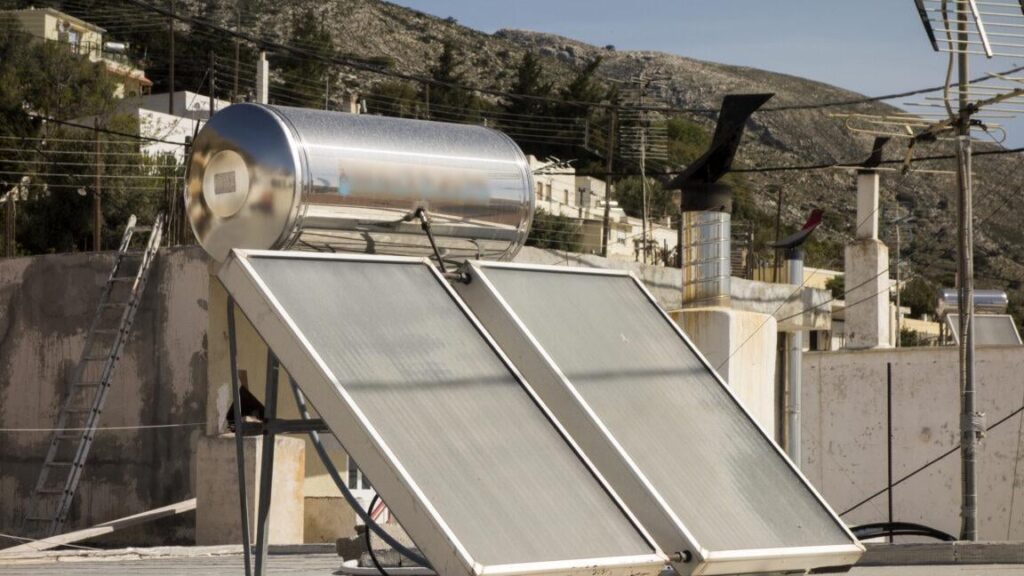
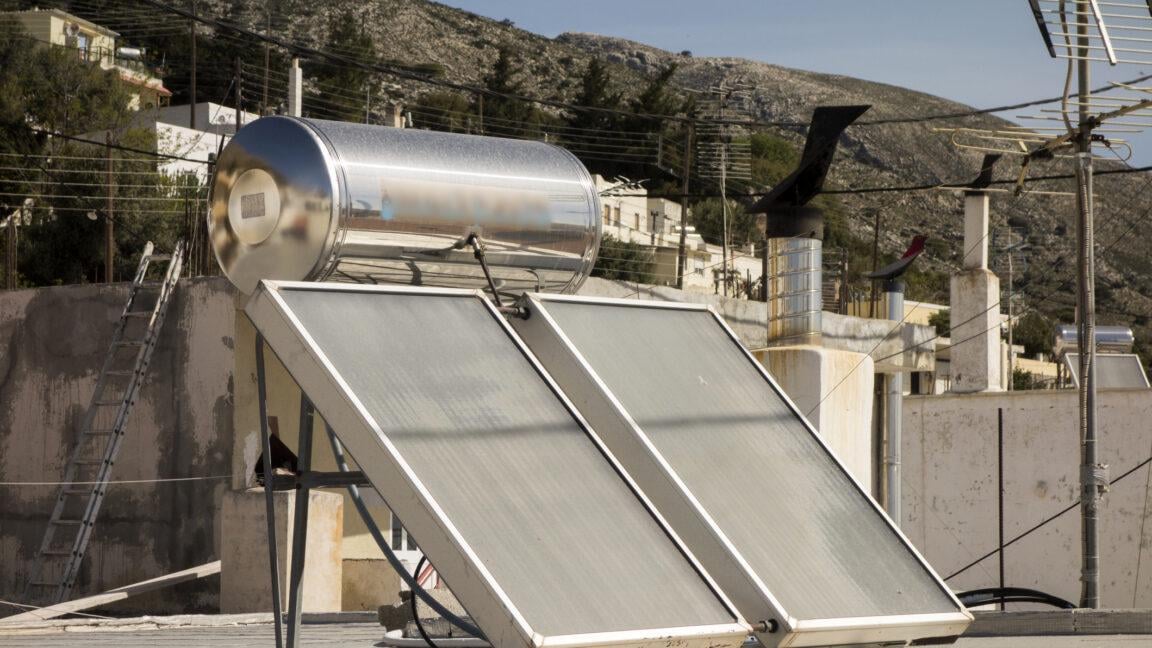
Storing heat for months is more effective than you might think. There are systems across northern Europe where insulation is used to store excess heat from summer for winter use. This approach is theoretically simpler. It does away with the need for insulation. In this case, pyrimidone, a molecule related to DNA, changes molecular structure. Solar energy provides the energy to do it, and it's being undone, releases energy.
But there are still problems commercializing this for home use. In particular, the chemical reactions to change the pyrimidone depend on other chemicals, are multi-step, and relatively inefficient. Still, the promise is there. Combining this tech, heat pumps, and insulation means we should have future buildings that need little or no external energy for seasonal heating & cooling.
US researchers have developed a fluid that can store solar energy, via changes in a molecule’s structure, and then release it as heat months later.
byu/lughnasadh inFuturology
3 Comments
You mean the same thing plants do when they create sugars and starches?
FFS, people. Read a book
There’s an amazing substance called wood that does that too.
Imagine this in space or on a planet or moon with little atmosphere. The difference between hot and cold are extreme and this would make mitigating that swing way easier.
Where I live, the average temperature for the whole year is 47F. I would love to use some of those winter temps in January to cool off my house in July.