
I am talking about Myco2Feed and CellBlue, two distinct initiatives, but united by a common vision: to transform scientific knowledge into concrete solutions for a more sustainable, more efficient, and higher value-added food system.
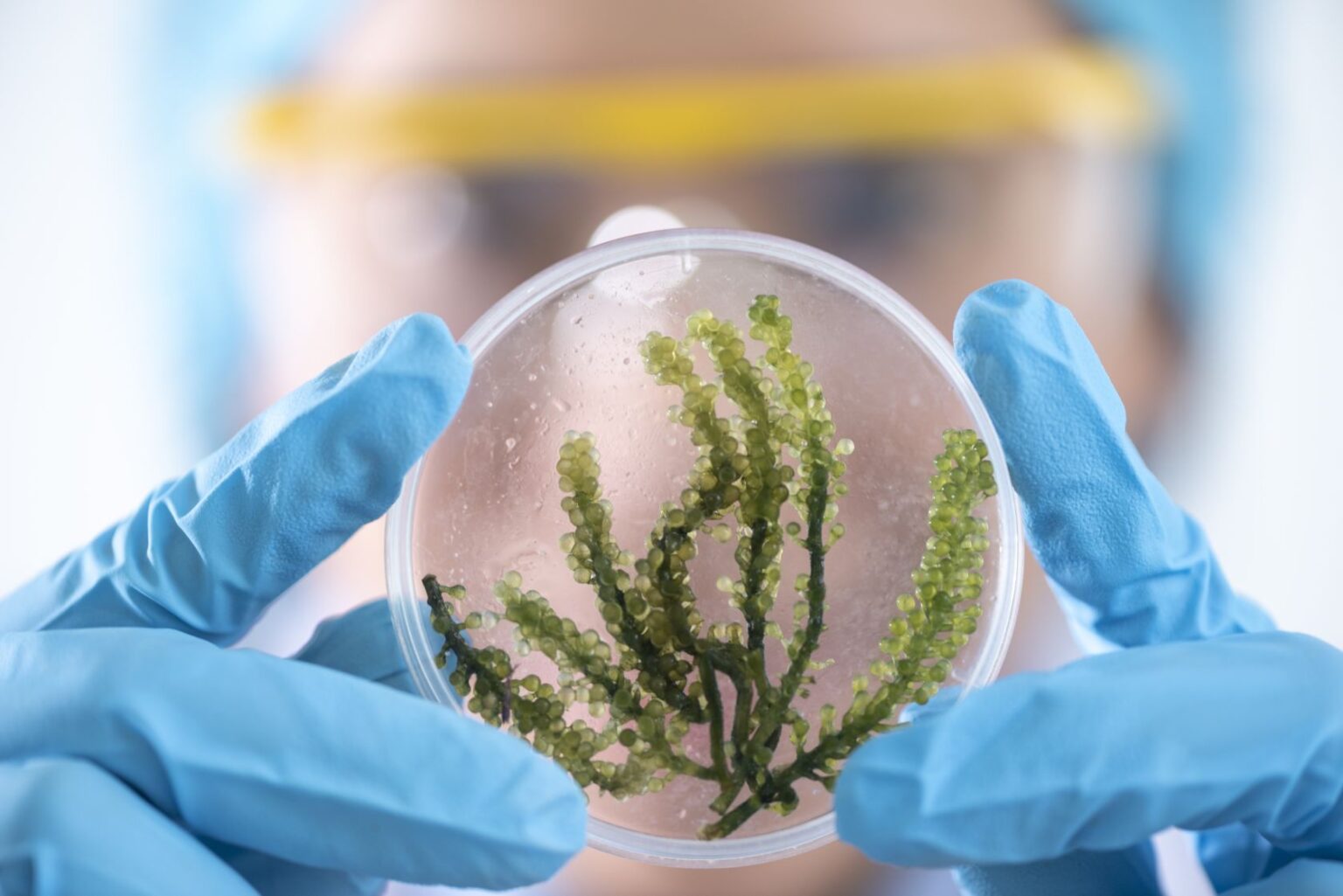
Myco2Feed was born with a clear objective: to develop alternative ingredients with high nutritional value and lower environmental impact, using microbial biotechnology. The focus is on the production of edible mycelium, exploring fungal structures with food potential, and accelerating its production at the laboratory and industrial scales.
Behind the project is DEIFIL, a Portuguese pioneer in plant biotechnology, which has been positioning itself as a national reference in applied scientific innovation. Myco2Feed is not just another alternative ingredient. It is a new food matrix based on multidisciplinary science, which integrates microbiology, food science, and process engineering, with a focus on quality, consistency, and industrial applicability.
The results reveal versatile ingredients, capable of integrating ready-to-eat products or more elaborate solutions, responding to clear market trends: healthy eating, sustainability, and production efficiency.
At the same time, the CellBlue project places Portugal in an even more ambitious territory: cellular blue biotechnology. Promoted by Cell4Food – Cellular Culture, a Portuguese company dedicated to cellular agriculture applied to marine species, the project is developing the first national technology for the production of octopus biomass from cells, specifically the species Octopus vulgaris.
We are talking about decoupling food production from the direct exploitation of marine resources. In a country with one of the largest exclusive economic zones in Europe and a historical relationship with the sea, this is a strategic evolution. It is not just technological innovation. It is a vision.
Cell4Food operates on a B2B model, developing technological platforms and intellectual property for the agri-food industry. The objective is clear: to create sustainable, resilient value chains aligned with the preservation of marine ecosystems. CellBlue realises this ambition by working from the establishment of cell lines to the validation of food applications, including hybrid products that combine cell biomass with plant matrices.
In both cases, there is a common factor that cannot be ignored: the role of COMPETE 2030. Funding under the Incentive System for Business Research and Development has made it possible to transform research into projects with industrial-scale potential. It allowed them to perform advanced tests, validate processes, and structure frontier technology with rigour and ambition.
More than public support, it is a strategic investment in national technological sovereignty. In areas such as food and blue biotechnology, those who master knowledge and intellectual property will have a global competitive advantage.
Portugal, often seen as a peripheral market, is beginning to assert itself as a laboratory of applied innovation. Whether through edible mycelium or through the cellular production of marine species, what we see is a country that not only wants to consume global trends but also participate in their creation.
And perhaps this is the true sign of maturity. We are not just talking about food. We are talking about science, industry, sustainability, and strategic positioning in a sector that will define the coming decades.