

- Xcel Energy (NasdaqGS:XEL) agreed to supply a new Google data center in Minnesota with 1,900 megawatts of new clean energy.
- The plan includes what is described as the world’s largest iron air battery installation to support grid reliability.
- The agreement is structured to support Minnesota’s clean energy goals while aiming to benefit existing Xcel Energy customers.
Xcel Energy, trading at $83.91, is drawing fresh attention as it links a large-scale customer such as Google to new clean energy capacity. The stock has returned 3.9% over the past week, 11.9% over the past 30 days, and 12.4% year to date, with longer term returns of 23.0% over 1 year, 44.1% over 3 years, and 66.7% over 5 years. For investors following utilities and energy transition themes, this kind of customer-backed project helps frame how NasdaqGS:XEL is positioning itself in its core markets.
For readers tracking longer term themes in grid reliability and clean power, this agreement highlights how large technology customers can support new infrastructure. As the project progresses, key questions will likely center on cost recovery, customer bill impacts, and how effectively the iron air battery system performs within Minnesota’s broader grid.
Stay updated on the most important news stories for Xcel Energy by adding it to your watchlist or portfolio. Alternatively, explore our Community to discover new perspectives on Xcel Energy.
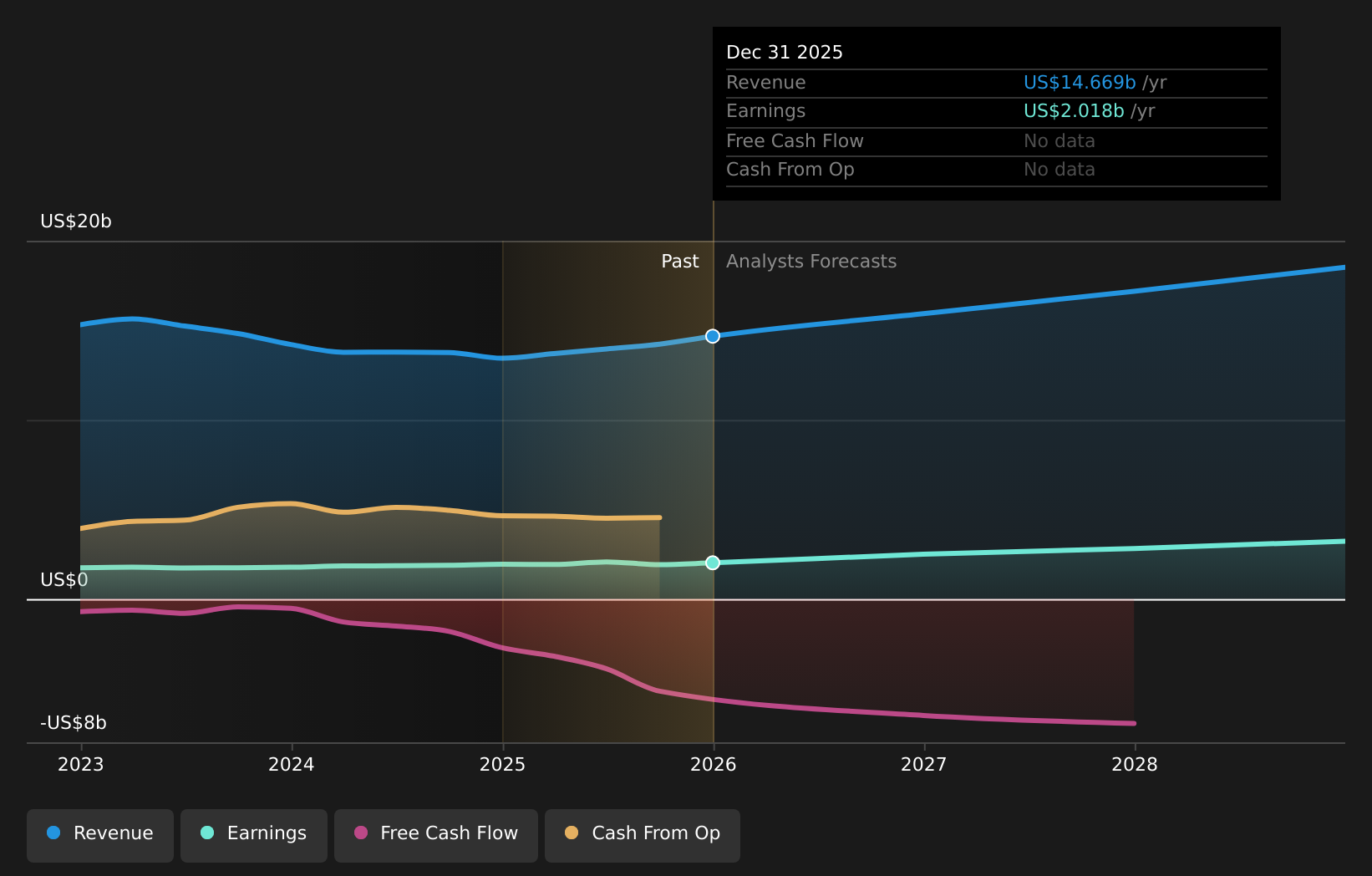
This agreement ties Xcel Energy to a large, long-duration data center load while keeping existing Minnesota customers insulated from project-specific costs. Google funding all new service and grid infrastructure, along with the Clean Energy Accelerator Charge structure, means the 1,900 megawatts of wind, solar and storage can feed into Xcel’s regulated operations without shifting capital pressure directly onto current residential bills. For a regulated utility, that kind of load-backed buildout can be a meaningful source of future capital deployment and rate-base growth, subject to regulatory approvals.
How This Fits Into The Xcel Energy Narrative
- The Google agreement lines up with the narrative theme that data center demand and electrification can underpin a multi-year grid and clean-energy buildout, giving Xcel more visibility on projects across wind, solar and storage.
- The scale of 1,900 megawatts and a 100 hour iron air battery also underscores the narrative risks around high capital needs and regulatory scrutiny, as regulators will still assess cost allocation, reliability and affordability as these resources connect to the grid.
- The very specific structure where Google covers new grid infrastructure and funds long-duration storage may not be fully reflected in prior expectations for how data-center driven projects would be financed and shared between customers and shareholders.
Knowing what a company is worth starts with understanding its story.
Check out one of the top narratives in the Simply Wall St Community for Xcel Energy to help decide what it’s worth to you.
The Risks and Rewards Investors Should Consider
- ⚠️ Large, long-duration projects introduce execution and regulatory risk, including potential delays, changing rules for large loads and scrutiny around data center-related infrastructure after events like the Texas wildfire litigation.
- ⚠️ The iron air battery project is the first of its scale, so actual performance, maintenance needs and cost recovery outcomes could differ from expectations and affect how future storage investments are viewed.
- 🎁 Google funding all new service and grid infrastructure, plus the Clean Energy Accelerator Charge, is designed to limit bill pressure on existing customers while still allowing Xcel to expand its clean-energy asset base.
- 🎁 The 1,900 megawatts package, including 1,400 megawatts of wind and 200 megawatts of solar, supports Xcel’s move beyond its current 70% carbon-free mix, which may help it compete for future large-load customers with peers such as NextEra Energy and Duke Energy.
What To Watch Going Forward
Investors may want to watch how Minnesota regulators review the Clean Energy Accelerator Charge structure, the timing and cost outcomes for the 300 megawatt iron air battery installation and how reliably the 100 hour storage performs once in service. It is also worth tracking whether Xcel can replicate this kind of customer-paid infrastructure model with other large-load clients, and how that interacts with ongoing wildfire-related spending and rate cases in other states. For comparison, you might look at how utilities such as Southern Company and Dominion Energy structure their own data center and large-load agreements.
To stay informed on how the latest news impacts the investment narrative for Xcel Energy, visit the
community page for Xcel Energy to keep up with the top community narratives.
This article by Simply Wall St is general in nature. We provide commentary based on historical data
and analyst forecasts only using an unbiased methodology and our articles are not intended to be financial advice. It does not constitute a recommendation to buy or sell any stock, and does not take account of your objectives, or your
financial situation. We aim to bring you long-term focused analysis driven by fundamental data.
Note that our analysis may not factor in the latest price-sensitive company announcements or qualitative material.
Simply Wall St has no position in any stocks mentioned.
Our new AI Stock Screener scans the market every day to uncover opportunities.
• Dividend Powerhouses (3%+ Yield)
• Undervalued Small Caps with Insider Buying
• High growth Tech and AI Companies
Or build your own from over 50 metrics.
Have feedback on this article? Concerned about the content? Get in touch with us directly. Alternatively, email editorial-team@simplywallst.com