
Published on
February 26, 2026
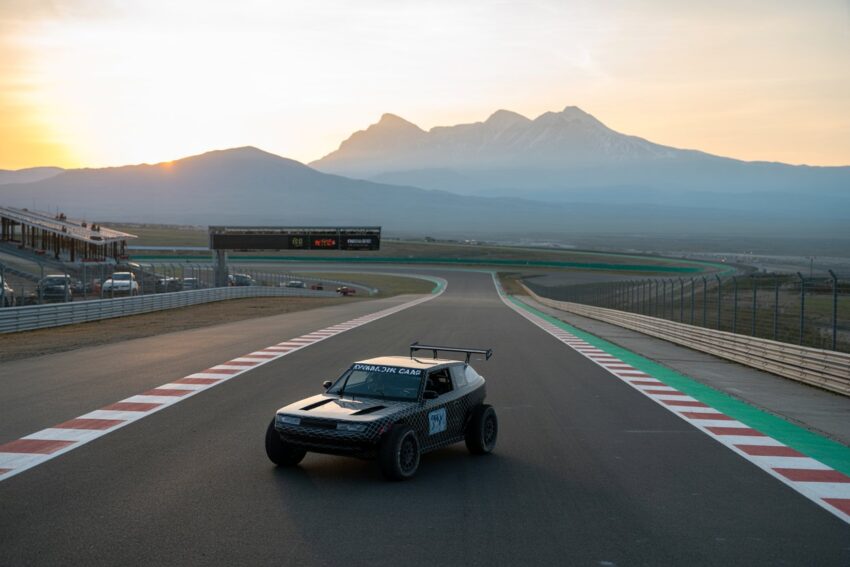
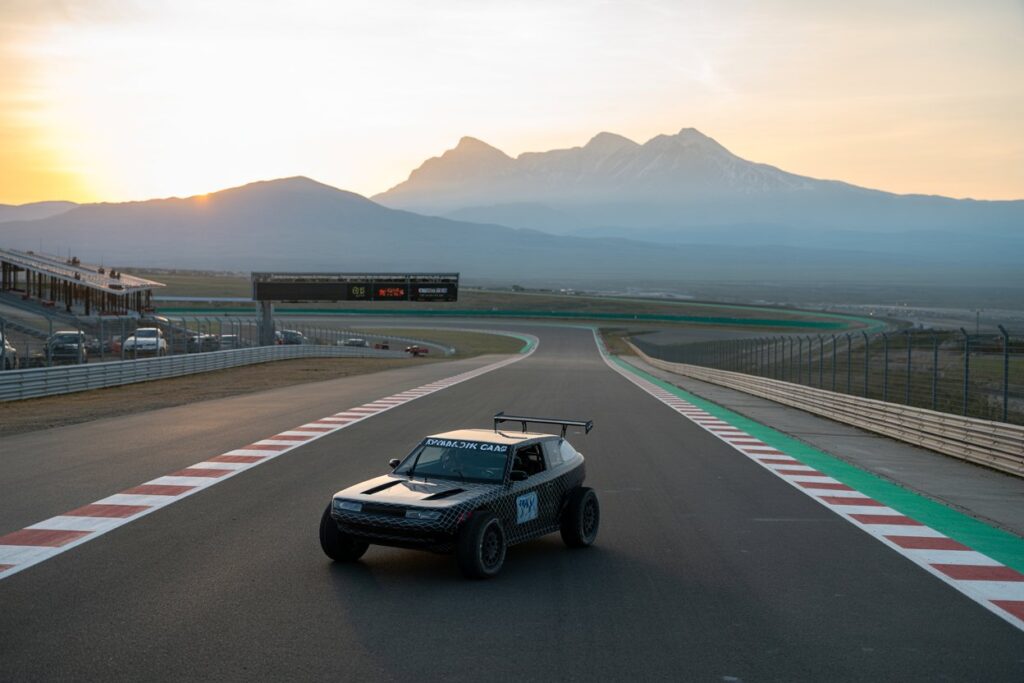
Image generated with Ai
In the world of high-stakes diplomacy and economic development, sometimes the fastest way forward is behind the wheel of a race car. On February 24, 2026, a significant meeting in Yerevan signaled that Armenia is no longer content with being a spectator in the global sports arena. Armenian Economy Minister Gevorg Papoyan sat down with a high-level delegation from the Fédération Internationale de l’Automobile (FIA), led by Secretary General for Sport Valerio Iachizzi, to discuss a partnership that could redefine the nation’s brand.
The agenda was as ambitious as a qualifying lap at Monaco: the integration of Formula 1 standards, the expansion of motorsport tourism, and the mobilization of Armenia’s industrial and engineering potential.
The Vision: More Than Just a Race
For Armenia, motorsports isn’t just about the roar of engines and checkered flags. It is a strategic tool for economic diversification. During the discussions, Minister Papoyan emphasized that the country is looking to leverage the FIA’s global prestige to:
- Stimulate Tourism: Transitioning from traditional cultural tours to high-octane “event-based” tourism that draws international crowds.
- Industrial Synergy: Utilizing Armenia’s growing tech and engineering sector to manufacture parts and provide technical support for regional racing tiers.
- Investment Attraction: Positioning Armenia as a stable, high-tech hub for international sports investment and infrastructure.
“We are not just looking for a one-off event,” Minister Papoyan remarked during the readout. “We are looking to create an ecosystem where motorsport drives engineering education and regional tourism simultaneously.”
Advertisement
Advertisement
The “Affordable Cross Car” Initiative
Perhaps the most “human” and tangible part of this partnership is the Affordable Cross Car project. Education Minister Zhanna Andreasyan also met with the FIA delegation to discuss how racing can serve as an educational catalyst.
In a historic first, specialists from the Automobile Federation of Armenia have already built a racing vehicle entirely within the country. This isn’t a million-dollar hypercar; it is an accessible, locally-produced cross car designed to lower the barrier to entry for young Armenian talent. By allowing students and enthusiasts to engage in the design and production process, Armenia is turning the racetrack into a classroom.
Advertisement
Advertisement
Infrastructure: The Road to 2026
This high-level meeting coincides with a tangible construction boom. Near the city of Yeghvard, work is currently underway on Armenia’s first professional racing circuit—the Daniel Dallakyan Circuit.
- Completion Date: The official opening is slated for May 2026.
- The Track: A 1,688-meter circuit featuring 17 challenging corners, built strictly to FIA standards.
- The Goal: To obtain the necessary FIA licenses to host GT3-class races, motorcycles, and eventually, feeder series for the higher tiers of Formula racing.
Tourism Strategy 2026–2030: The Grand Prix Effect
The Armenian government recently approved its Strategic Tourism Development Program for 2026–2030, which aims to welcome 3 million inbound visitors by the end of the decade. Integrating motorsports into this plan is a masterstroke of “niche marketing.”
By hosting FIA-sanctioned events, Armenia can tap into the “Grand Prix Effect”—the phenomenon where international sports fans travel globally, spending significantly more than the average tourist on hospitality, gastronomy, and local services. Minister Papoyan’s vision of Armenia as a “tourism crossroads” is quickly being paved with the asphalt of a professional racetrack.
A Tech-Driven Future
The FIA representative, Valerio Iachizzi, expressed admiration for the “professional capacity” Armenia has built in a short time. With the planned Academic City focusing on technological clusters, the synergy between motorsport mechatronics and Armenian higher education is poised to create a new generation of engineers who can compete on the world stage.
Conclusion: The Green Light
As the 2026 racing season begins globally, Armenia is finally joining the grid. The partnership with the FIA is a testament to the country’s resilience and its forward-looking economic strategy. Whether it is the local production of cross cars or the dream of seeing an F1 car sprint through the streets of Yerevan, one thing is certain: Armenia is moving fast, and the world is starting to take notice.
The engines are starting. The lights are about to go out. And for Armenia, the race has just begun.
