
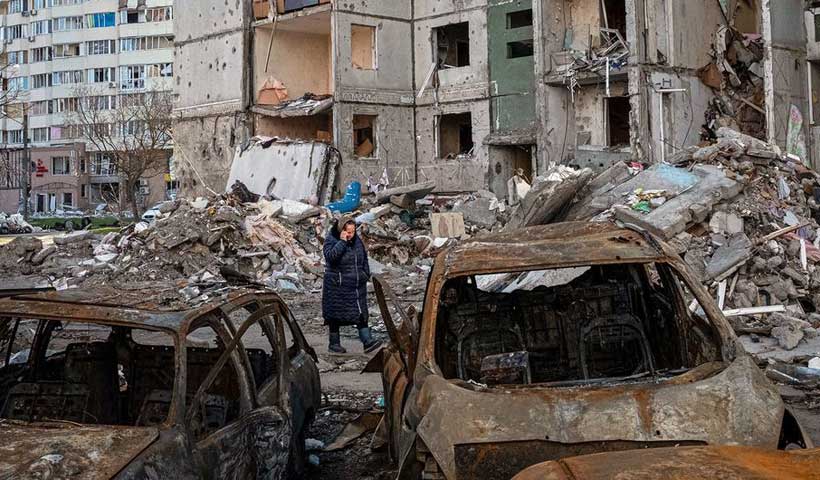
Russia launched a sweeping overnight assault on Ukraine with ballistic and cruise missiles as well as attack drones, injuring at least 20 people and damaging residential buildings across multiple regions, local authorities said on Thursday. The strikes hit the capital Kyiv, the eastern city of Kharkiv and the southern city of Zaporizhzhia.
Officials have not disclosed the total number of missiles and drones launched, nor provided a comprehensive assessment of the primary targets.
Kyiv: Damage From Falling Debris
In Kyiv, authorities reported that several buildings in three districts were damaged by debris from intercepted missiles and drones. Emergency crews were dispatched overnight to assess the destruction and assist residents. While no fatalities were immediately reported in the capital, the damage underscored the continuing vulnerability of urban centers to aerial assaults.
The Kyiv region surrounding the capital was also targeted, though officials have yet to release detailed casualty figures there.
Kharkiv: Children Among the Injured
In the Kharkiv region, at least 14 people were injured, including a seven-year-old boy, according to Governor Oleh Syniehubov. The city itself was struck by two missiles and 17 drones, causing damage to residential areas.
Kharkiv, located near the Russian border, has faced repeated bombardment since the early stages of the war. Its proximity to Russian territory makes it particularly exposed to missile and drone strikes.
Zaporizhzhia: Homes Without Heat
In Zaporizhzhia, at least seven people were injured, Governor Ivan Fedorov said. Russian drones damaged 19 apartment buildings, and approximately 500 homes were left without heating after infrastructure was hit.
Photographs released by local authorities showed apartment blocks with large holes in their walls, destroyed private houses and shattered shopfronts. The damage to heating infrastructure is especially concerning given ongoing seasonal cold conditions.
A Broader Strategy
In recent months, Russia has intensified its focus on Ukraine’s energy infrastructure, targeting power plants and substations in an effort to disrupt electricity and heating supplies. These attacks have plunged parts of the country into prolonged blackouts and strained repair capacities.
Although the latest strikes affected residential buildings directly, they fit into a broader pattern of using long-range weapons to stretch Ukraine’s air defenses and maintain constant pressure on cities far from the front lines.
Analysis
The continued combination of ballistic missiles, cruise missiles and drones reflects Moscow’s strategy of overwhelming Ukrainian air defenses through saturation attacks. By launching different types of projectiles simultaneously, Russia increases the likelihood that some will evade interception.
Beyond their military objectives, such attacks carry psychological weight. Nighttime bombardments heighten fear among civilians and disrupt daily life, reinforcing the sense that no region is entirely secure. For Ukraine, maintaining air defense coverage and repairing damaged infrastructure remain critical challenges as the war grinds on.
With information from Reuters.